























Indian households are once again facing a severe threat to their monthly budgets as the calendar approaches August 2026. The retail price of liquefied petroleum gas (LPG) supplied by major domestic distributors such as Indane Gas, Bharat Gas, and HP Gas is heavily dependent on the volatile fluctuations of international energy markets. Currently, these global markets are witnessing a massive and unprecedented surge. On Thursday, July 23, 2027, crude oil prices reached a substantial six-week peak. The global benchmark, Brent Crude, surged comfortably past the $98 per barrel mark. Simultaneously, United States WTI crude oil experienced a notable three percent increase, trading vigorously near the $89.50 per barrel level. Brent itself saw an impressive overall rise of nearly five percent during the very same trading session. Both of these crucial oil benchmarks have been climbing steadily for five consecutive days now, bringing the terrifying prospect of $100 per barrel oil into the near-term reality. If this critical psychological threshold is ultimately breached, the heavy financial burden will inevitably trickle down to everyday citizens.
Geopolitical Escalation and Maritime Chokepoints
The absolute primary catalyst for this aggressive price rally is the severe deterioration of regional stability in the Middle East. For twelve consecutive days, fresh airstrikes and renewed hostilities between the United States and Iran have completely destabilized the geopolitical landscape. This prolonged and intense military conflict has pushed global energy costs significantly higher, threatening consumer economies worldwide. The focal point of this logistical nightmare is the Strait of Hormuz, a critical maritime passage that handles twenty percent of the total global oil and natural gas supply on a daily basis. The situation in this specific, narrow corridor has become increasingly futile due to the ongoing military standoff, making safe commercial passage nearly impossible. Furthermore, the crisis is rapidly expanding geographically. Analysts from Choice Institutional Equities noted that fresh warnings issued by the Houthis have sparked severe shipping risks near another crucial maritime chokepoint, the Bab el-Mandeb Strait. In direct response to these heightened regional threats, several commercial vessels navigating the Red Sea were reportedly forced to execute sudden U-turns, severely heightening the potential for deeper and more complex global trade disruptions in the immediate future.
The Direct Link Between Crude Oil and Domestic LPG
Understanding exactly why international airstrikes impact a household kitchen in India requires looking closely at how cooking fuel is actually produced. Liquefied petroleum gas is a direct byproduct generated after refining raw crude oil and processing raw natural gas. When military conflicts erupt in oil-rich nations, both the underlying crude and the natural gas become drastically more expensive on the open market. The physical shipping of these volatile and essential commodities transforms into a high-risk endeavor, heavily constraining global supply chains and delaying crucial deliveries. The exposure for the Indian population is incredibly massive, considering that approximately sixty percent of households across the entire country rely entirely on LPG cylinders for their daily domestic cooking needs. Even more critically, an overwhelming ninety percent of these specific domestic LPG requirements are fulfilled strictly through international imports that must transit directly through the currently perilous Strait of Hormuz, leaving Indian energy security highly vulnerable to any sudden geopolitical shifts in that specific region.
Economic Pressures and Currency Depreciation
The immediate ripple effects of this Middle Eastern crisis extend deeply into India's broader macroeconomic stability. The country heavily depends on foreign energy to function properly, with a staggering eighty-five percent of its total domestic oil requirement actively met through imports sourced primarily from nations in the Middle East, alongside massive shipments from the United States of America. Broadly speaking, these massive crude oil purchases account for the absolute largest single chunk of India's total national import bill. Because international energy trade operates on a standardized currency, every single barrel of crude oil that enters the country's ports must be paid for exclusively in US dollars. As the global price of oil climbs higher due to the conflict, India is forced to demand significantly more dollars to successfully settle its international accounts. This overwhelming and sudden demand places immense downward pressure on the value of the Indian rupee. Consequently, this currency depreciation makes all foreign imports fundamentally more expensive to acquire, creating a harsh economic environment where India ends up paying significantly more capital for foreign goods than it manages to earn through its own global exports. Ultimately, the inflated cost of acquiring all petroleum products is invariably passed on to the final retail customer, hurting household savings.
Echoes of the Spring Supply Crunch
The current anxiety gripping the energy markets heavily mirrors the severe supply disruptions witnessed just a few short months prior. During the tense period between March and May 2026, Iran deliberately orchestrated a complete shutdown of the Strait of Hormuz, acting in direct defiance of both the United States and Israel. That strategic maritime blockade immediately triggered a severe global supply crunch, effectively forcing importing nations around the world, including India, to drastically hike the retail prices of their essential petroleum products. The financial impact on everyday consumers was absolutely relentless. Over the span of just four months, from March to June 2026, the retail prices for commercial nineteen-kilogram cylinders were hiked five separate times by local authorities. Domestic users also felt the severe financial pinch, with the standard 14.2-kilogram household LPG cylinders seeing sudden price increases on two different occasions within that exact same window. In a desperate attempt to mitigate the ongoing crisis, the Indian government actively pushed domestic refineries to rapidly accelerate their internal liquefied petroleum production capabilities. Authorities simultaneously ran special campaigns encouraging citizens to shift their consumption towards alternative cooking energy sources, explicitly advocating for the use of piped natural gas (PNG), electric induction cooktops, and traditional kerosene to reduce the sheer reliance on imported LPG.
The Brief July Respite in Major Cities
Indian consumers only received a temporary financial breather in July 2026, a highly welcomed reprieve entirely due to a brief ceasefire agreement reached between the United States and Iran in June, which temporarily cooled the overheated crude oil markets. Thanks to this pause in hostilities, domestic oil marketing companies finally found a brief window of room to ease the massive financial burden, implementing the very first price cut of the year for commercial users. With effect from July 1, 2026, the bulky nineteen-kilogram commercial LPG cylinder saw a major and welcome price reduction ranging from Rs 173 to Rs 183.50 across various major cities. In New Delhi, the commercial rate dropped by the maximum Rs 183.50, bringing the overall cost down from a high of Rs 3,113.50 to a revised Rs 2,930. Mumbai businesses saw a helpful reduction of Rs 182, allowing the price to comfortably settle at Rs 2,885.50. Chennai experienced a notable drop of Rs 177, bringing its heavy commercial cylinder cost down to Rs 3,106.
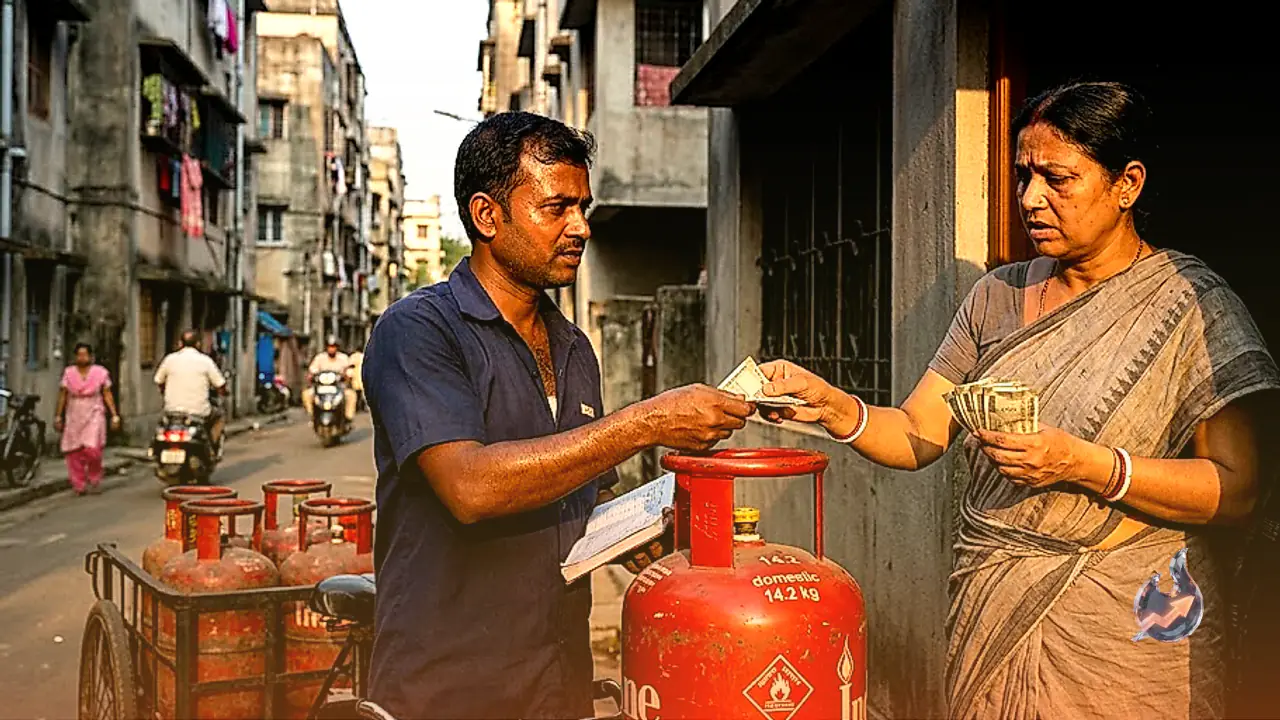
The relief extended much further across the nation's sprawling urban centers. In Kolkata, commercial users saw a helpful decrease of Rs 174, bringing their final price to Rs 3,081.50. Businesses operating in Gurgaon benefited from a Rs 182.50 drop, paying a revised Rs 2,947.50. Noida recorded a significant drop of Rs 183.50, perfectly matching Delhi's new price point of Rs 2,930. Down south in Bangalore, the commercial cost fell by Rs 177 to settle at Rs 3,021. Bhubaneswar registered a solid decrease of Rs 175.50, establishing the new industrial price at Rs 3,114.50. Chandigarh saw its commercial rate drop by Rs 181.50 to Rs 2,954.50, while Hyderabad experienced a Rs 176 cut, bringing the cylinder to Rs 3,191. Jaipur consumers welcomed a Rs 183.50 reduction, taking the final price to Rs 2,957.50. In Lucknow, the commercial cost fell by Rs 183.50 to Rs 3,052.50. Patna recorded a drop of Rs 173 to reach Rs 3,227, and Thiruvananthapuram saw a decrease of Rs 180.50, bringing the commercial price down to Rs 2,971.50. Meanwhile, the highly critical standard 14.2-kilogram domestic LPG cylinder prices were left completely unchanged across all cities for the entire month of July 2026. Consequently, domestic household rates stood perfectly steady at Rs 942 in New Delhi, Rs 968 in Kolkata, Rs 941.50 in Mumbai, and Rs 957.50 in Chennai. In other key regional markets, household cooking cylinders remained strictly fixed at Rs 950.50 in Gurgaon, Rs 939.50 in Noida, Rs 944.50 in Bangalore, Rs 968 in Bhubaneswar, Rs 951.50 in Chandigarh, Rs 994 in Hyderabad, Rs 945.50 in Jaipur, Rs 979.50 in Lucknow, Rs 1,031.50 in Patna, and finally Rs 951 in Thiruvananthapuram.
Future Projections and Severe Inflationary Risks
Despite the recent and highly welcomed price drops for commercial users, global market experts are once again sounding the alarm loudly. Analysts working at Choice Institutional Equities have currently maintained their long-term Fiscal Year 2027 Brent crude target at a manageable $82 per barrel. However, they explicitly noted a significant and dangerous upside risk should the current maritime disruptions and military attacks persist beyond a tight four-week window. Phillip Nova analyst Priyanka Sachdeva strongly emphasized that international Brent crude could easily hit the dreaded $100 threshold if the geopolitical tensions continue without any diplomatic resolution. She noted a critical shift in how global traders are viewing the immediate crisis.
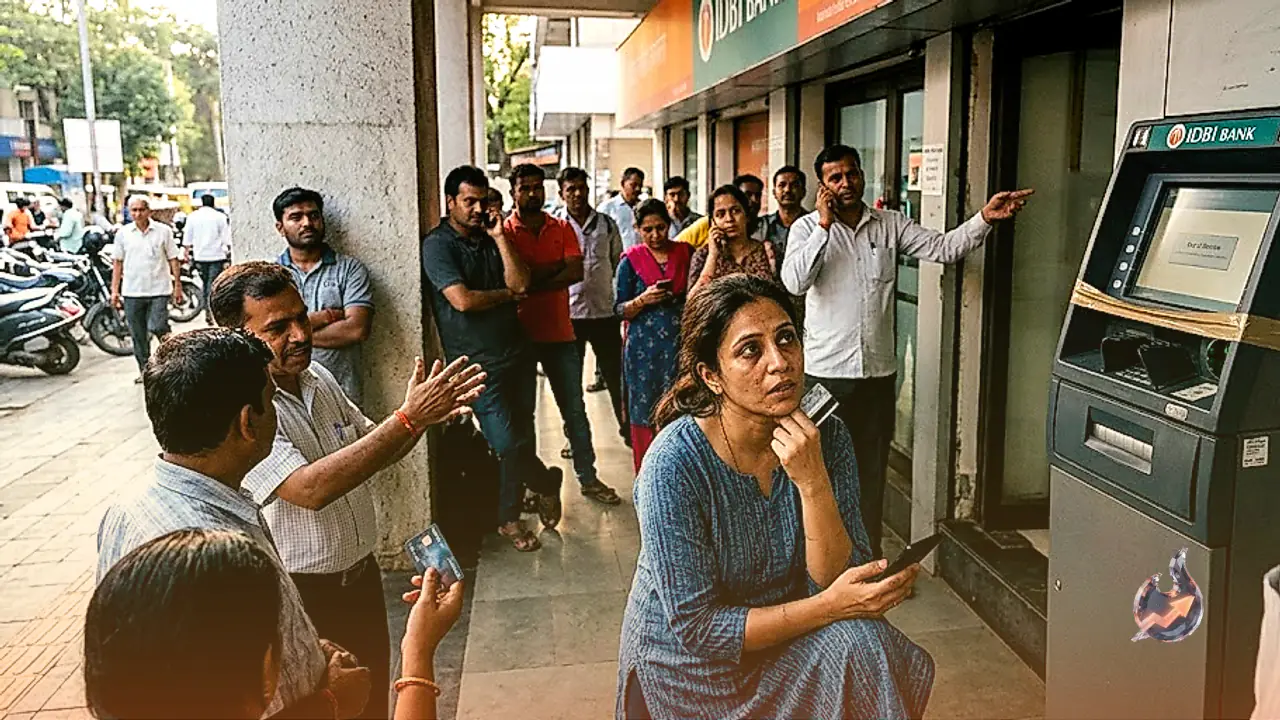
According to her professional assessment, the global market is currently pricing in the pure logistics risk rather than the actual, physical loss of oil barrels. However, she sternly warned that this fine distinction could vanish extremely quickly if the regional military attacks persist unabated. Sachdeva highlighted that the absolute biggest underlying risk for global energy markets would be a prolonged, simultaneous shipping disruption occurring at both the Bab el-Mandeb and the Strait of Hormuz at the exact same time. Reaching that severely constrained stage would leave the global market with exceptionally limited logistical flexibility to quickly reroute crucial energy cargoes to their final destinations. Such massive, unmitigated shipping disruptions would rapidly evolve well beyond just the oil markets, ultimately transforming into a much broader and significantly more devastating global inflationary problem for all consumer goods. Ultimately, if the international crude oil benchmarks continue their aggressive and unbroken upward climb, the direct financial impact will be heavily felt by Indian households, making an across-the-board LPG price hike in the upcoming month of August 2026 a highly probable and painful reality for millions.