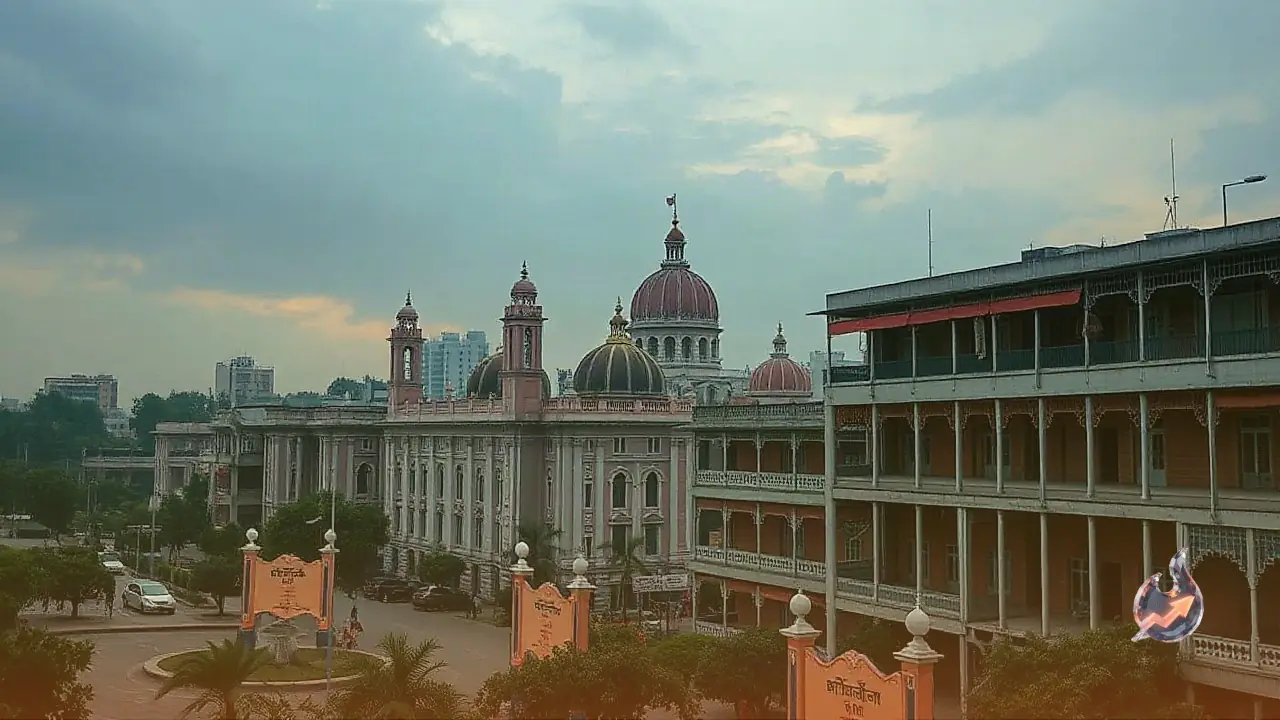





















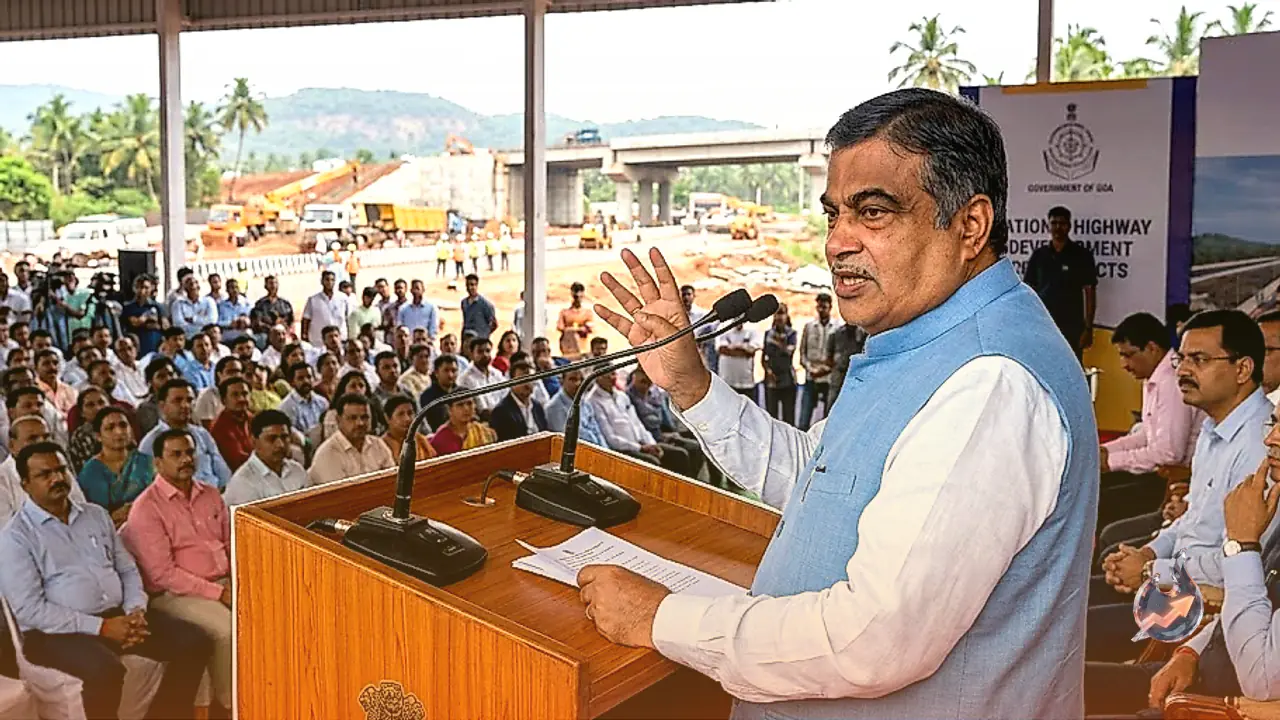

Union Minister for Road Transport and Highways Nitin Gadkari delivered a stern warning on Wednesday, stating his intention to set a record by blacklisting the maximum number of contractors and suspending officials responsible for delays and substandard work in infrastructure projects. Addressing a gathering after inaugurating a six-lane elevated road corridor at Porvorim near Panaji, the minister made it clear that poor implementation in development works will no longer be tolerated under any circumstances.
Reflecting on the prolonged delays in widening the Mumbai-Goa highway, the senior minister admitted that the situation used to cause him deep embarrassment. However, noting the progress, he announced that he will travel by road from Mumbai airport to Goa in October to personally inspect the highway. He recalled his earlier stance of refusing to inaugurate the delayed highway project out of shame, but affirmed that he will now personally review the completed stretches.
The transport minister reiterated that infrastructure delays and poor execution will face zero tolerance moving forward. Gadkari stated that he wants to establish a firm precedent over the coming year by cracking down heavily on defaulting agencies and penalizing non-performing personnel, adding that he has no intention of slowing down this accountability drive.
Turning his focus to regional development, Gadkari urged the Goa government to establish amenities along the Mumbai-Goa highway that showcase the state's distinct architecture, local cuisine, and handicraft traditions. He also strongly advocated for setting up dedicated facilities for biofuels, electric vehicles, and other alternative green fuels alongside conventional petrol and diesel stations.
Emphasizing ecological balance, the minister stressed the need for scientific plantation along highways. He suggested conducting studies to determine which specific tree species absorb higher amounts of carbon dioxide while releasing maximum oxygen into the atmosphere.
Addressing urban mobility and traffic congestion in Goa, Gadkari called for a comprehensive study to streamline vehicular movement. His suggestions included integrating local markets, relocating warehouses outside congested city limits, and upgrading existing bus depots to ease transportation bottlenecks.
Concluding his address, Gadkari championed the wider adoption of alternative energy sources, including electric mobility, hydrogen power, and flex-fuel technologies, noting that transitioning toward these advanced green solutions is essential for significantly reducing environmental pollution.