
Recent reports regarding cooking gas cylinder shortages and delivery delays have sparked widespread concern across the country. Tensions in the Middle East have impacted global supply chains, leading to delayed deliveries in several regions and prompting consumers to book refills prematurely out of panic. However, authorities have assured that there is no shortage of LPG within the nation, while major fuel companies have released essential guidelines that enable households to cut down their gas consumption by up to 25 percent. This efficient usage can stretch the lifespan of a single cylinder by an additional 10 to 15 days, and these methods are straightforward enough for anyone to adopt at home.
Official Guidelines from Fuel Companies
Major oil distributors such as Indian Oil and Bharat Petroleum have utilized their social media platforms to inform citizens about smart cooking practices that significantly reduce fuel consumption. By making minor adjustments in the kitchen, consumers can save a quarter of their usual gas usage, making each cylinder last noticeably longer. Industry experts emphasize that these techniques require no special equipment and can be seamlessly integrated into daily routines by anyone responsible for meal preparation, helping to alleviate supply anxiety through individual preparedness.
Global Market Dynamics and Domestic Consumption
Over the past few years, international LPG prices have experienced considerable volatility. While subsidized connections are provided to economically weaker households under government initiatives, middle-class consumers generally bear the full market price. Geopolitical disruptions in the Middle East have strained supply lines, creating widespread apprehension of scarcity in importing nations like India. To curb black marketing and hoarding, the mandatory waiting period between two cylinder bookings was previously extended from 21 days to 25 days. Since domestic usage accounts for approximately 86 percent of total LPG consumption, implementing conservation measures at the household level has become increasingly vital.
Effective Kitchen Practices for Fuel Conservation
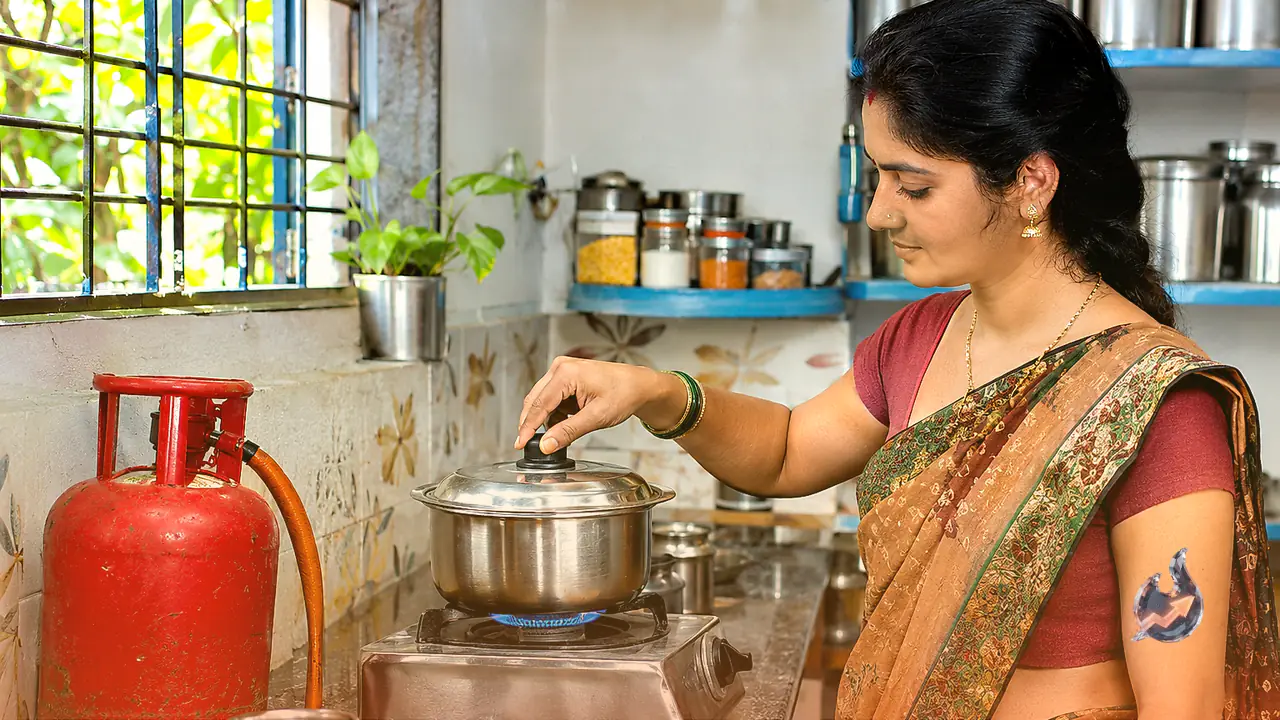
Adopting specific cooking habits can dramatically lower daily gas expenditure without compromising meal quality. Using a pressure cooker is among the most effective methods, as it accelerates the cooking process and saves between 30 and 50 percent of gas. Furthermore, soaking grains and lentils for 20 to 30 minutes or overnight reduces cooking time by 20 to 40 percent. Covering pots and pans with a lid while cooking traps heat effectively, cutting down gas usage by up to 30 percent. Maintaining clean burner ports ensures a steady blue flame, which indicates optimal combustion and prevents unnecessary fuel wastage.
Choosing the Right Utensils and Batch Cooking
Selecting cookware of the appropriate size is crucial to ensure that the flame remains confined to the base of the vessel rather than escaping around the sides, which wastes thermal energy. Practicing batch cooking by preparing multiple dishes simultaneously minimizes the frequency of igniting the stove. Additionally, utilizing alternative appliances like induction cooktops or microwaves for minor heating tasks can further conserve resources. Combined together, these small operational adjustments yield a total saving of 25 to 30 percent, translating to a monthly financial saving of roughly 200 to 300 rupees.