





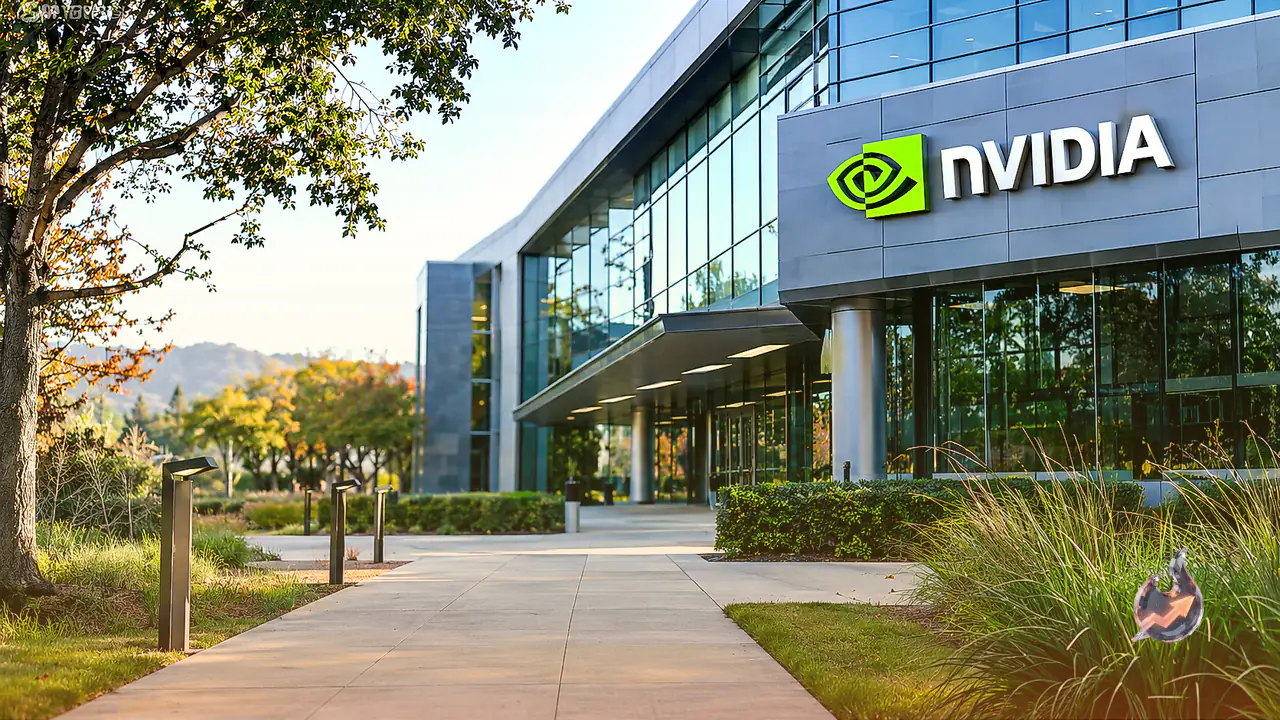

















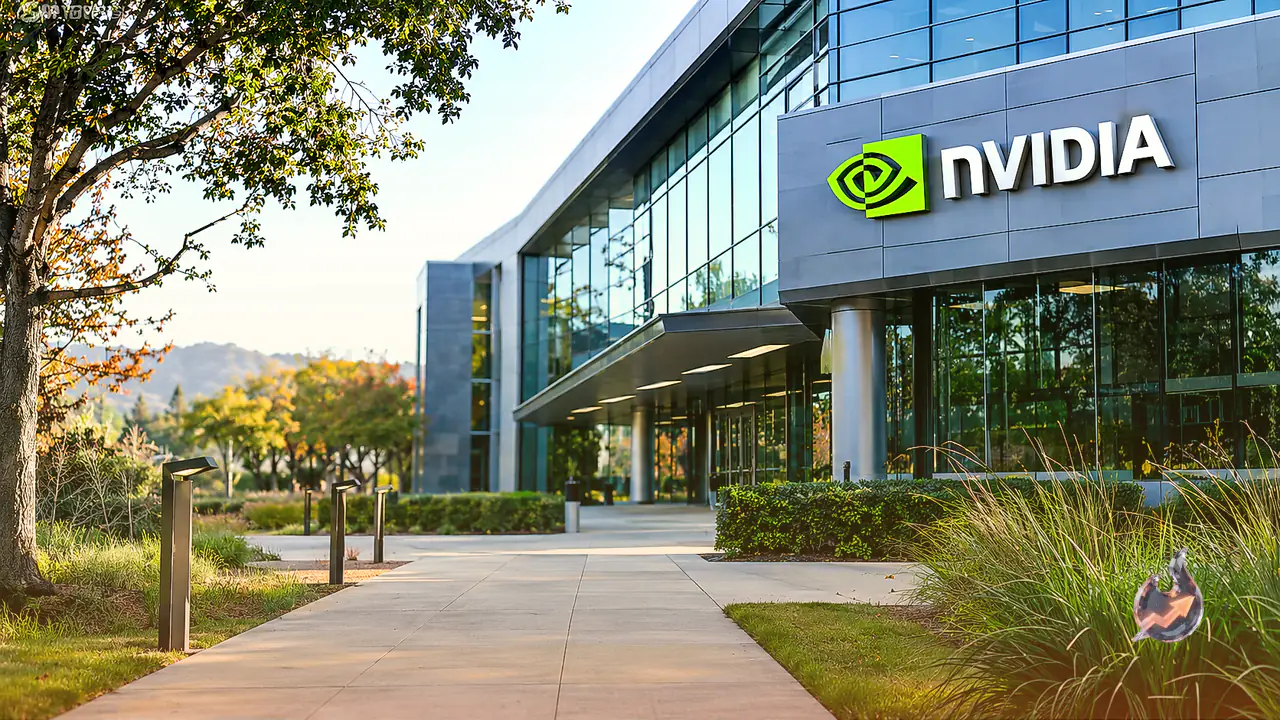

Jensen Huang, the chief executive officer of semiconductor giant Nvidia, has become the focus of corporate scrutiny following the revelation of an internal inquiry into his personal ties with a Chinese national. The company board has moved to establish an independent review into the matter after concerns were raised regarding potential foreign intelligence interest in the executive. The situation elevates an otherwise private matter into the high-stakes arena of global geopolitical rivalry, where cutting-edge artificial intelligence hardware and export compliance remain fiercely contested between Washington and Beijing.
Independent Special Committee Formed by the Board
In response to these developments, the Nvidia board of directors decided to create a dedicated special committee tasked with examining the circumstances surrounding the matter. To maintain rigorous governance standards, the board is utilizing external legal counsel to conduct the review objectively. Company leadership has formally stated that, at present, there is no evidence indicating that confidential corporate data, proprietary chip technology, or United States national security secrets have been breached or compromised in any manner.
Jensen Huang has agreed to cooperate fully with the independent inquiry as it moves forward. While Huang has reportedly acknowledged the existence of a relationship, key aspects regarding its origin, timeline, and exact scope remain undisclosed to the public. Given Nvidia's central position in the modern computing infrastructure, any scrutiny touching the highest office of the organization draws significant attention across corporate and regulatory circles globally.
The Background and Profile of Alice Huang
The individual at the center of the controversy has been identified as Alice Huang, who is also known by the name Huang Le. A Chinese citizen, she previously served in a senior management role at MegaSpeed, a technology company headquartered in Singapore. Available professional records indicate that prior to her entry into the international corporate and technology sphere, she worked in mainland China as a television journalist. Subsequently, she transitioned into roles within financial institutions and investment entities.
Comprehensive details concerning her earlier professional history, regulatory filings, and the trajectory of her career progression remain limited. Security analysts and investigators have focused attention on how an individual with a background in media and finance successfully navigated into close proximity with high-ranking executives operating at the pinnacle of the global semiconductor industry.
Documented Encounters in Taipei and Deepening Scrutiny
The exact genesis and duration of the interaction between Jensen Huang and Alice Huang have not been formally confirmed on the public record. However, documented sightings place the two individuals in social and professional settings in Taiwan. In June 2024, they were seen together at a bar in Taipei during a gathering that also included executives and representatives from prominent hardware companies, including Gigabyte and NetThunder.
Later, in May 2025, Alice Huang was observed in close vicinity to Jensen Huang outside a dining establishment in Taipei. This period coincided with heightened regulatory attention from United States authorities regarding the distribution channels, procurement activities, and supply arrangements linking Nvidia with international purchasers, most notably MegaSpeed.
Allegations of Espionage and the Role of MegaSpeed
Media accounts referencing classified briefings from United States officials suggest that China's Ministry of State Security may have sought to leverage Alice Huang to gather intelligence regarding Nvidia's strategic posture. The alleged objectives centered on tracking the perspectives of the company's executive leadership and monitoring efforts related to the commercial distribution of advanced artificial intelligence hardware. All such assertions currently remain the subject of ongoing official assessments rather than adjudicated legal conclusions.
The role of MegaSpeed features prominently within the broader regulatory examination. Corporate purchasing data shows that MegaSpeed acquired more than $4.8 billion worth of artificial intelligence processors from Nvidia over a span of two years. Regulators in the United States grew concerned over whether entities acting as intermediaries could potentially facilitate the diversion or re-export of advanced silicon into jurisdictions subject to strict federal trade embargoes and technological controls.
Export Controls and Washington's Policy Landscape
In recent years, the United States federal government has systematically tightened restrictions on the foreign export of cutting-edge semiconductors, citing direct implications for national defense and supercomputing capabilities. These regulatory frameworks were substantially expanded during the Biden administration to prevent advanced processing units from enhancing rival military systems. Following Donald Trump's ascent to the presidency, Jensen Huang publicly advocated for easing certain stringent export barriers to preserve commercial opportunities for domestic technology manufacturers.
Commenting on the controversy, President Donald Trump stated that he had not held discussions with Jensen Huang concerning the matter. Trump praised the Nvidia chief executive, noting that he had done an exceptional job guiding the company's growth. Trump had previously referred to the situation as distinctive and indicated that the administration would monitor developments. Meanwhile, Secretary of State Marco Rubio had also initially refrained from offering substantive public commentary on the issue.
Commercial Stature and Broader Corporate Implications
Nvidia currently occupies a virtually unmatched position in the global artificial intelligence ecosystem. Hyperscalers, research institutions, and enterprise tech providers rely predominantly on its specialized graphics processors and data center architecture to build and operate advanced foundation models. Demonstrating this commercial momentum, the company posted a massive quarterly profit of $59.69 billion for the quarter that concluded in August.
Because of Nvidia's systemic significance to financial markets and technological development, allegations involving high-level personnel inevitably create ripples among institutional investors, supply chain partners, and international regulators. The ultimate outcome of the board's independent review will play a pivotal role in clarifying whether the personal interactions under examination had any tangible bearing on regulatory compliance, intellectual property integrity, or strategic national security interests.