






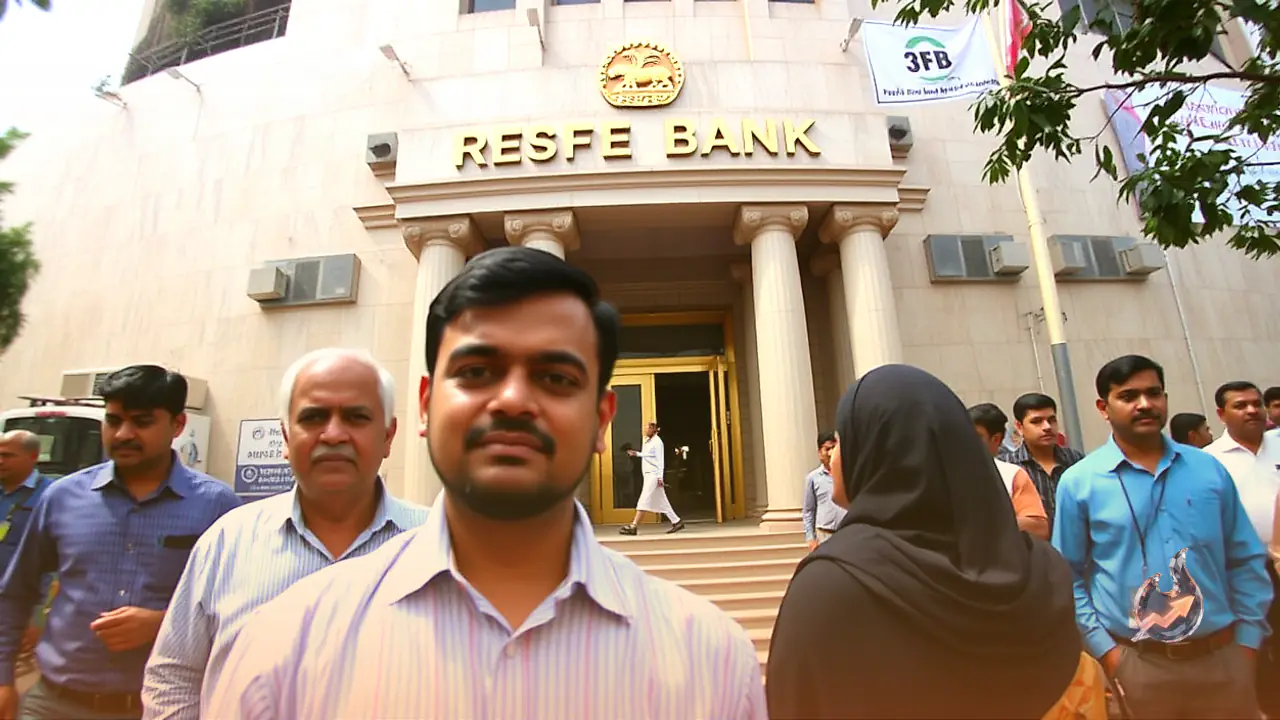
















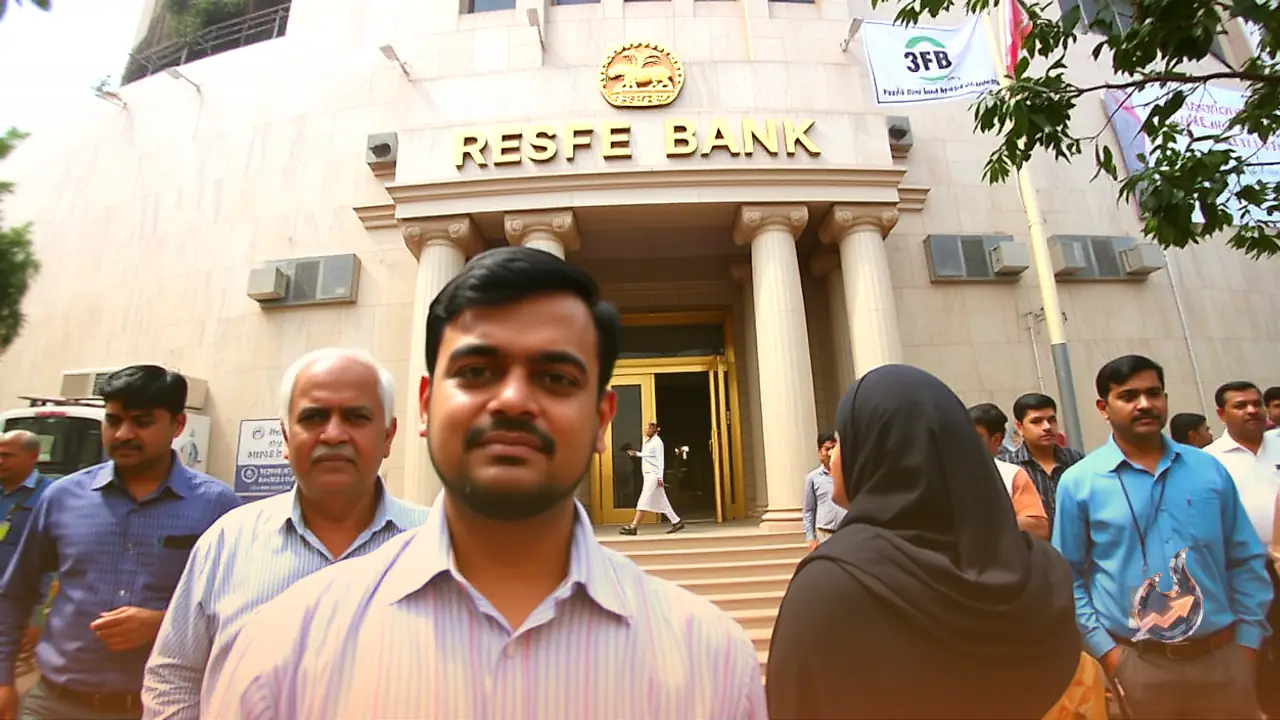

Just two days after increasing benchmark borrowing costs, the Reserve Bank of India announced a decisive move to withdraw 25,000 crore rupees of surplus cash from the financial system. The decision closely follows the monetary policy committee meeting led by central bank governor Sanjay Malhotra, where lending rates were raised. By stepping in to drain excess funds immediately after tightening lending conditions, the central bank is signaling an aggressive push to realign liquidity within the banking sector.
Cash Absorption Through Open Market Operations
On 9 October, the banking regulator detailed that the planned absorption of 25,000 crore rupees will take place through open market operations involving the sale of government securities. By offloading these sovereign papers, the monetary authority aims to pull out excess liquidity floating within commercial banks without creating unintended strain on their day to day operational balance sheets. The structured intervention ensures that policy tightening measures translate effectively across the broader credit ecosystem.
Projected Pressure on Bond Prices and Yields
Financial market observers expect the sizable sale of government securities to weigh heavily on prevailing bond prices. Analysts anticipate that when the primary market reopens on Monday, government bond yields are likely to rise in response to the fresh supply of paper and reduced cash availability. Combined with the recent lending rate hike, this liquidity withdrawal highlights a sustained regulatory strategy to prevent excessive market liquidity from fueling wider financial imbalances.