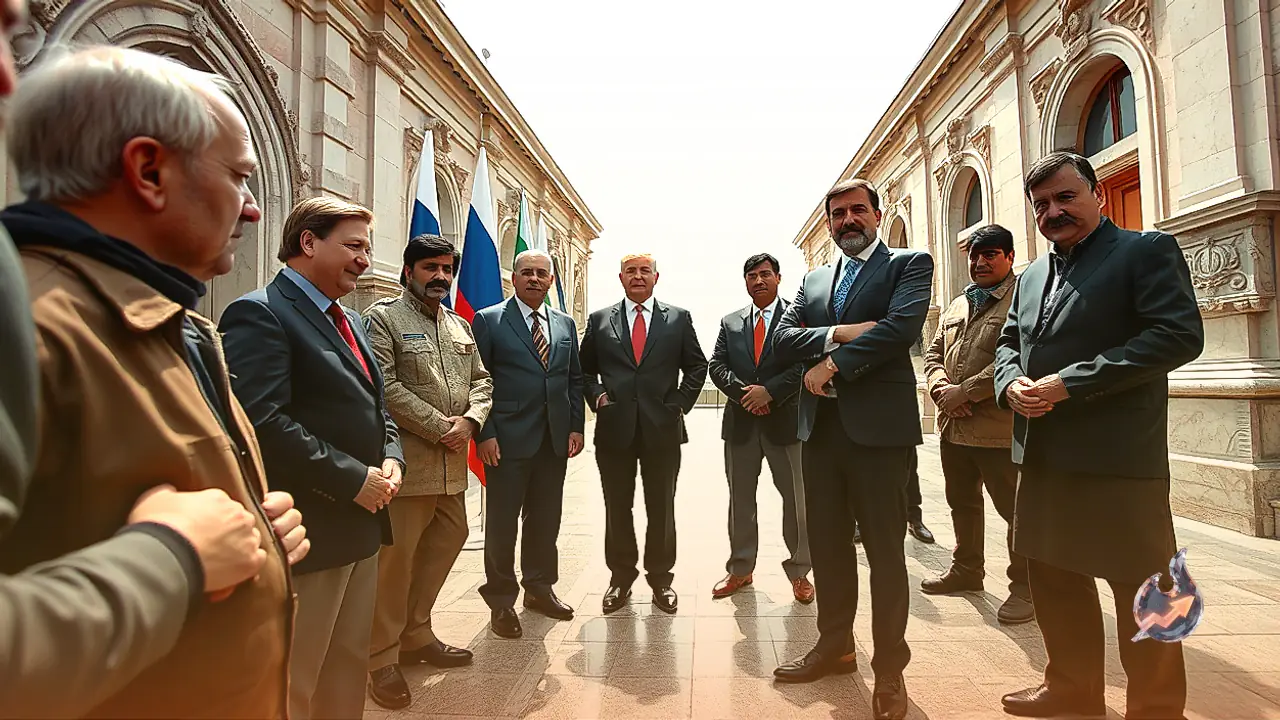





















A major judicial ruling has dealt a significant blow to Pakistan's Prime Minister Shehbaz Sharif amid an escalating political confrontation over the detention of former premier Imran Khan. On Friday, the Peshawar High Court declined to revoke the interim protective order preventing law enforcement authorities from arresting Khyber Pakhtunkhwa Chief Minister Sohail Afridi along with 28 other senior leaders from Pakistan Tehreek-e-Insaf (PTI). The bench referred the leaders' interim bail petitions to a division bench for formal consideration, scheduling the next detailed hearing for October 20.
PTI Long March Advances Toward Capital Islamabad
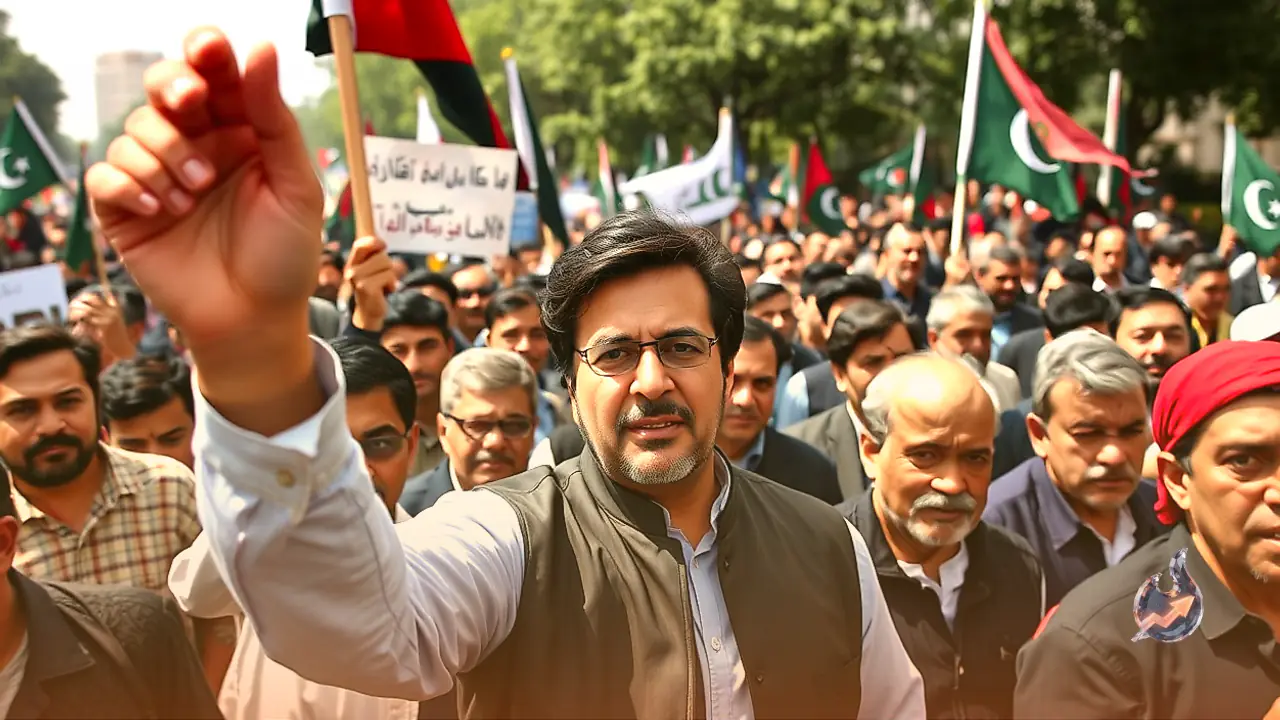
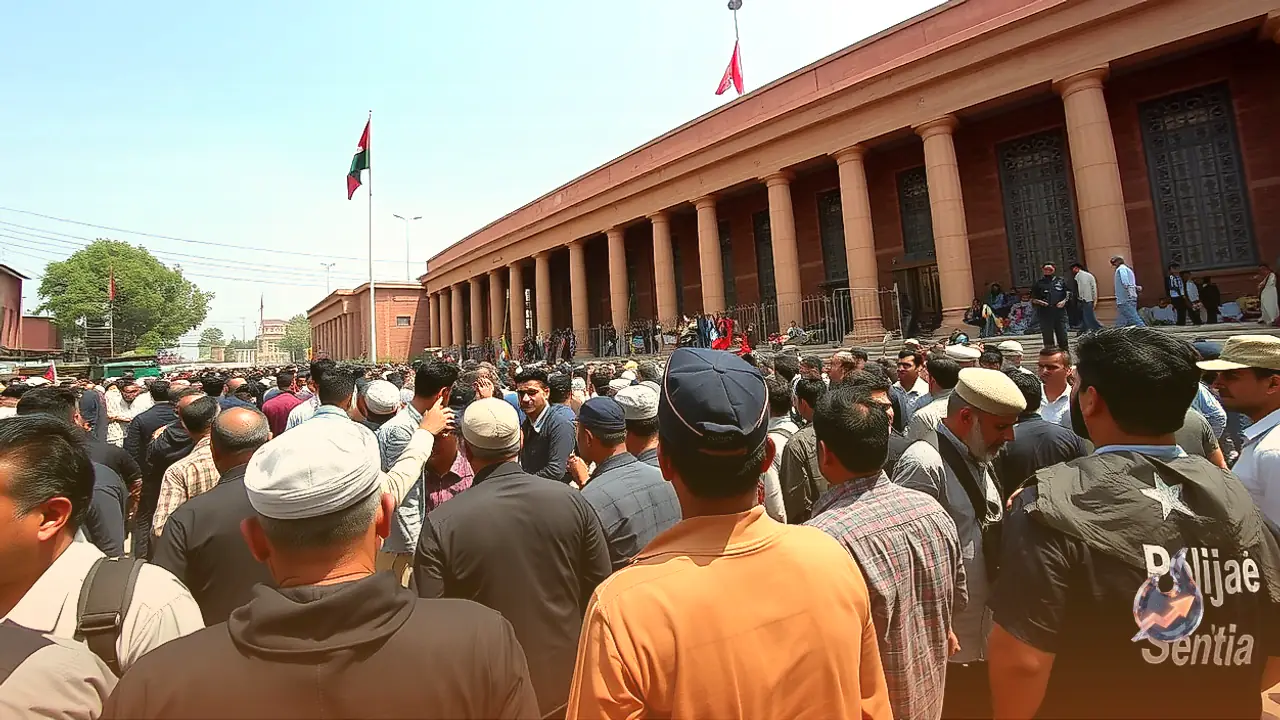
The court's refusal to permit immediate arrests comes at an exceptionally tense moment for the federal administration, as massive crowds rally behind PTI's call to march toward the federal capital. Demanding the unconditional release of Imran Khan, tens of thousands of demonstrators have joined the long march, creating severe logistical and security challenges. In an effort to restrict movement and prevent demonstrators from entering Islamabad, federal authorities have fortified city borders and blocked key transit routes with heavy shipping containers.
Taking Imran Khan's Legal Battle to the Streets
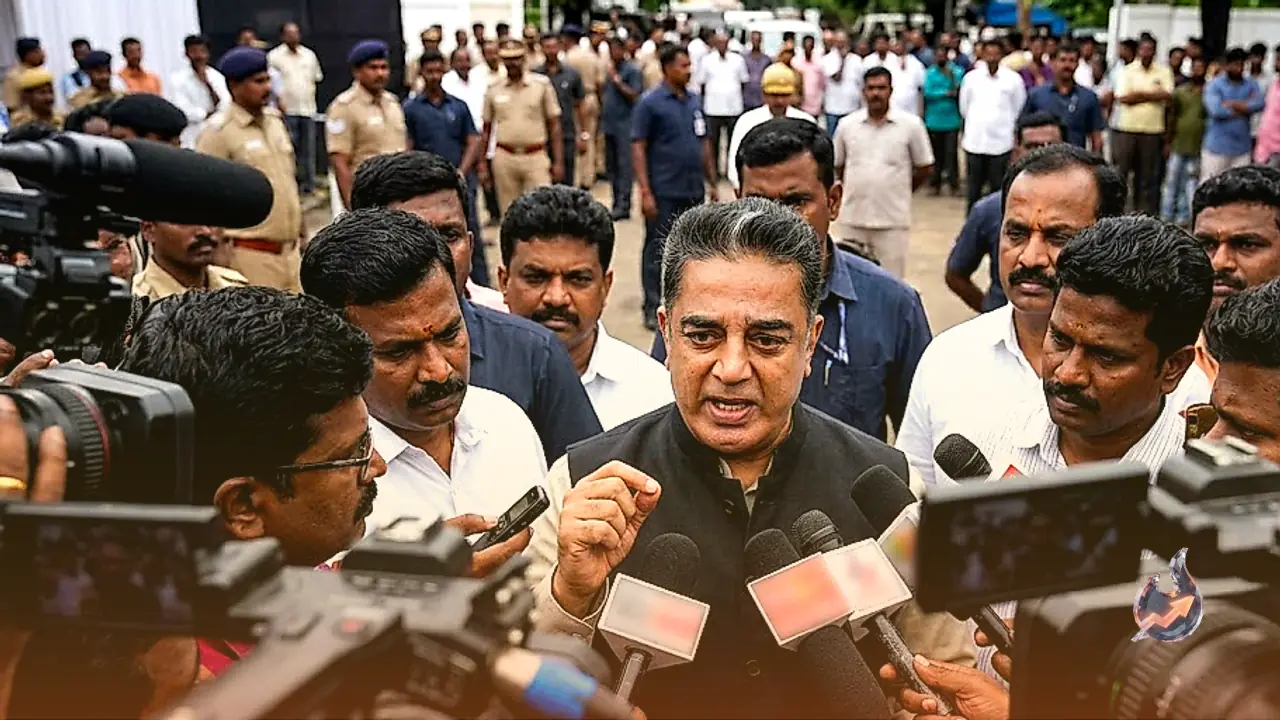
Khyber Pakhtunkhwa Chief Minister Sohail Afridi is directly leading the protest convoy toward the capital. The federal government had sought to preempt the protest momentum by detaining influential opposition figures, with plans underway to take Afridi into custody over older pending cases. However, the Peshawar High Court's decision effectively thwarted those administrative plans. Emboldened by the legal safeguard, Afridi declared an unyielding stance against the Sharif administration, asserting that Imran Khan's case will now be contested on the streets until his liberation is secured.
Escalating Discontent Against Coalition Rule and Military Backing
The unfolding standoff highlights growing public friction with Pakistan's ruling coalition and the military establishment, which have attempted to use policing and administrative barriers to manage opposition momentum. Across several jurisdictions, judicial benches have issued orders favorable to Imran Khan and his party functionaries. Despite the visible public resentment against both the Shehbaz Sharif cabinet and Chief of Army Staff General Munir, the administration remains heavily reliant on coercive blockades rather than political reconciliation.