





















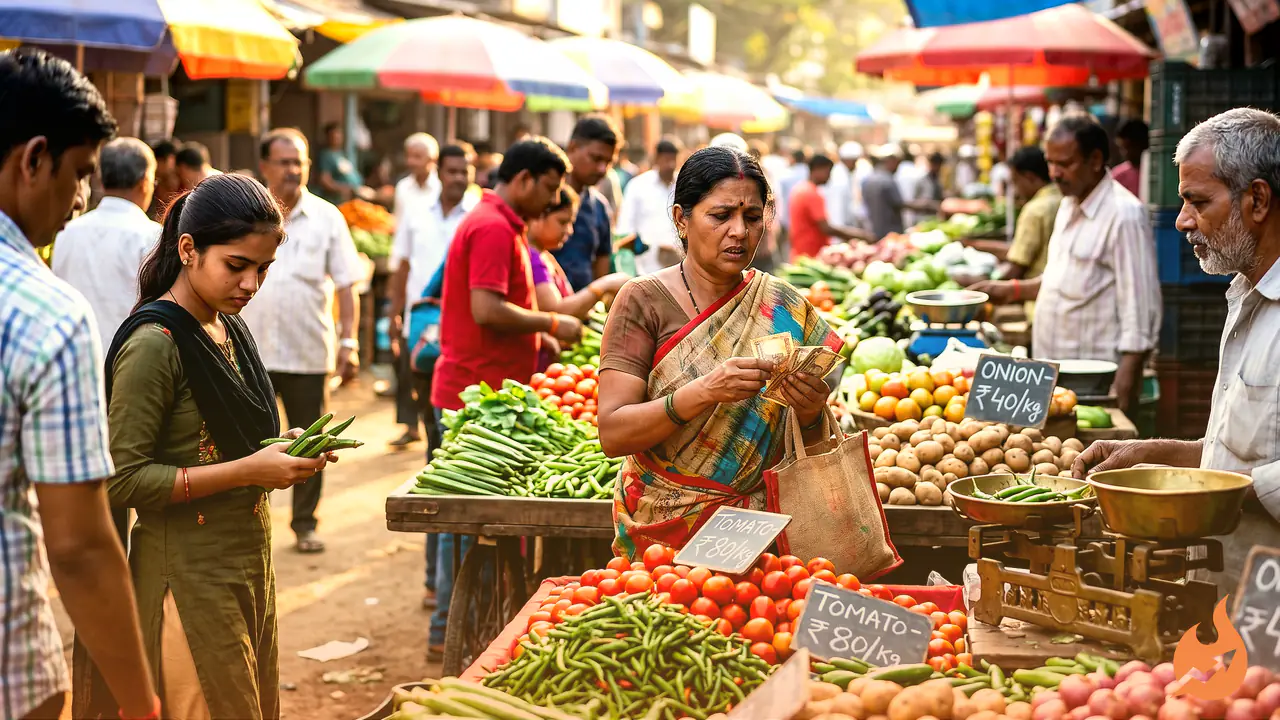

Rising prices of food items are now visibly pinching ordinary household budgets. According to government data released on Friday, retail inflation rose to 3.93 per cent in May. Just a month earlier, in April, retail inflation based on the Consumer Price Index (CPI) had stood at 3.48 per cent. Figures from the National Statistics Office (NSO) show that food inflation too climbed to 4.78 per cent in May, up from 4.20 per cent in April.
Which Items Saw the Sharpest Price Rise
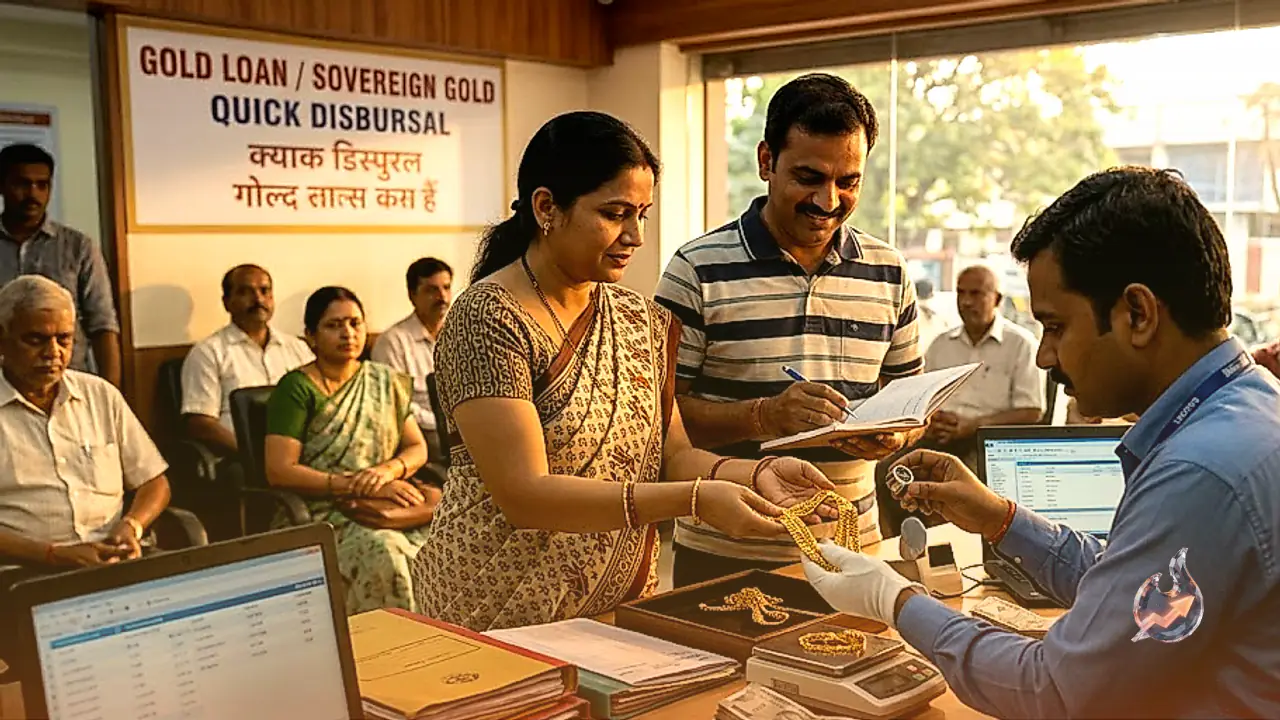
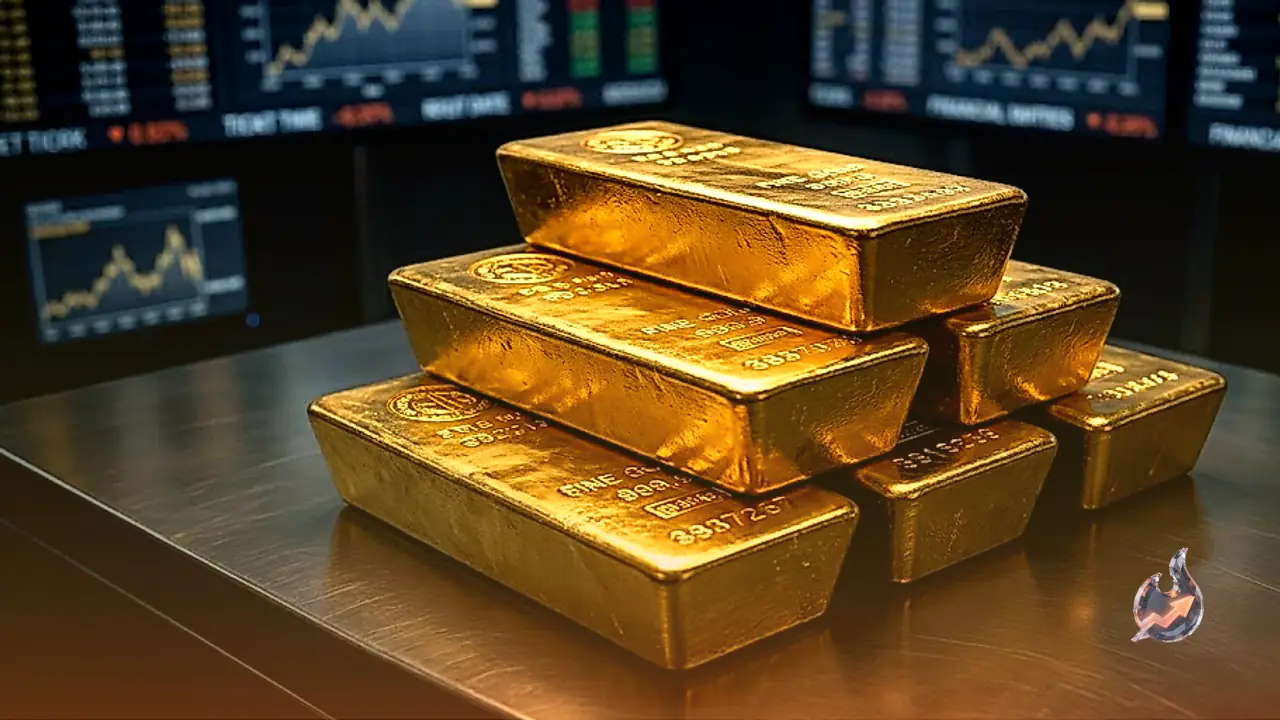
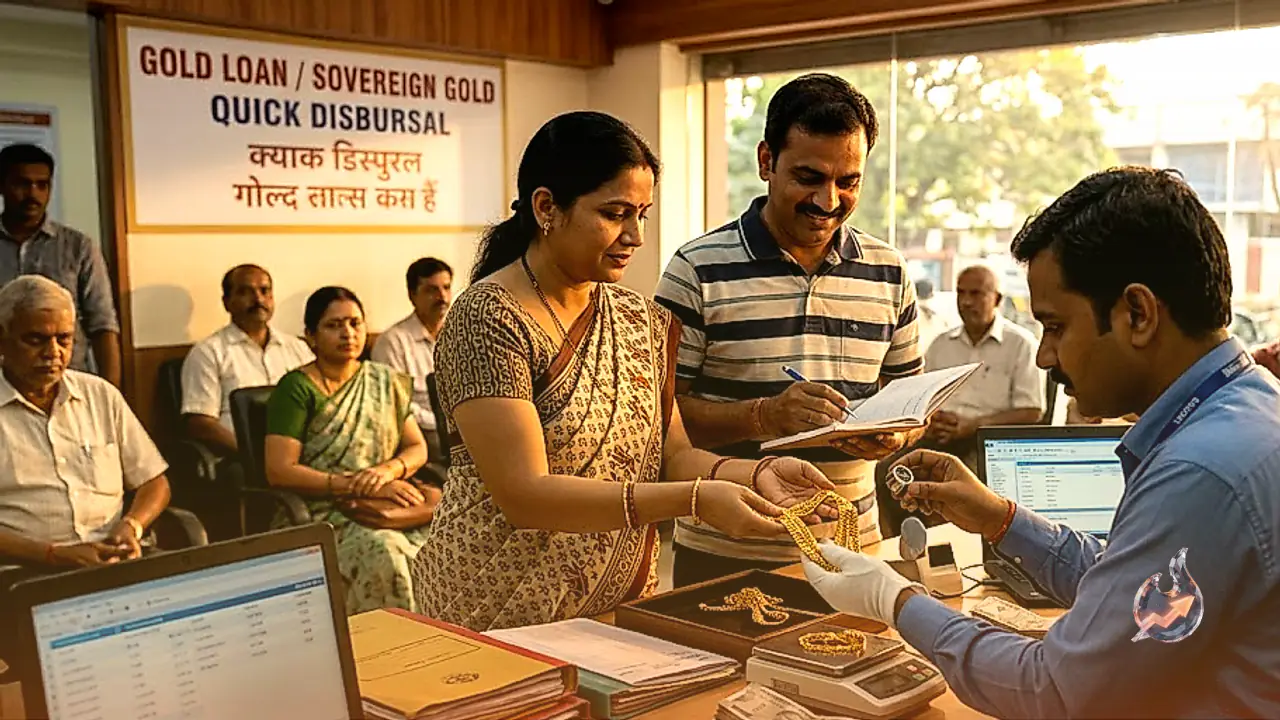
Among the items that recorded the steepest jump in prices last month were jewellery made of precious metals, tomatoes, ginger, raisins (kishmish) and munakka. In contrast, goods such as potatoes, peas, cumin, motor cars, jeeps, motorcycles and scooters witnessed the lowest inflation, meaning the price pressure on them remained relatively muted.
RBI Raises Inflation Forecast for the Current Financial Year
When framing monetary policy decisions, the Reserve Bank of India (RBI) relies chiefly on the CPI-based retail inflation rate. The government has tasked the central bank with keeping retail inflation, or the inflation rate, at 4 per cent within a band of 2 per cent on either side. Last week, the RBI raised its inflation projection for the current financial year from 4.6 per cent to 5.1 per cent.
Forecast Factored in Petrol and Diesel Retail Prices
The Reserve Bank had attributed the upward revision to the rise in global energy prices and its resulting impact on the retail prices of petrol and diesel, along with mounting costs. As per the figures, retail prices of petrol have gone up by a total of 7.4 per cent since May, while diesel prices have risen by 8.4 per cent in the same period.
World Bank Trims India's Growth Projection
According to the World Bank's latest estimate, India's economic growth rate will slow to 6.6 per cent in 2026-27, compared with 7.7 per cent recorded in the previous year. Even so, India will continue to be the fastest-growing major economy in the world. In its report, the World Bank had said that high energy prices and the rising cost of other raw materials would dampen private demand, which is expected to slow the pace of growth.