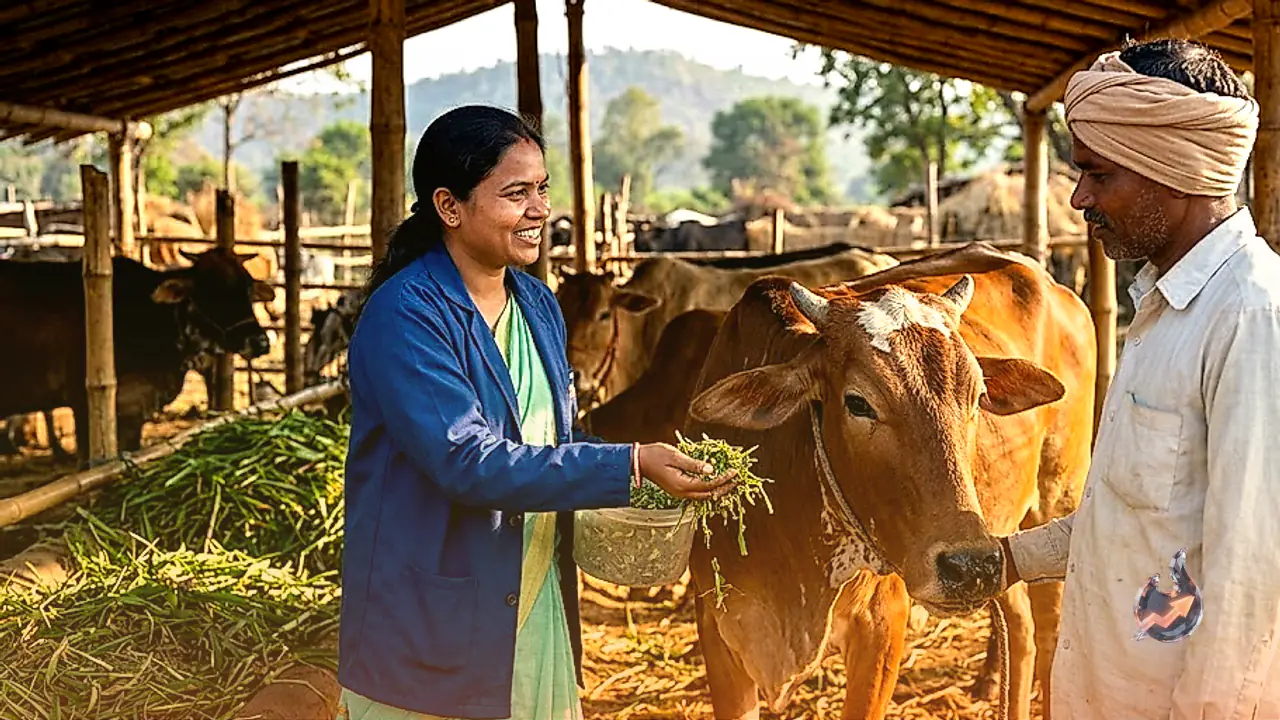























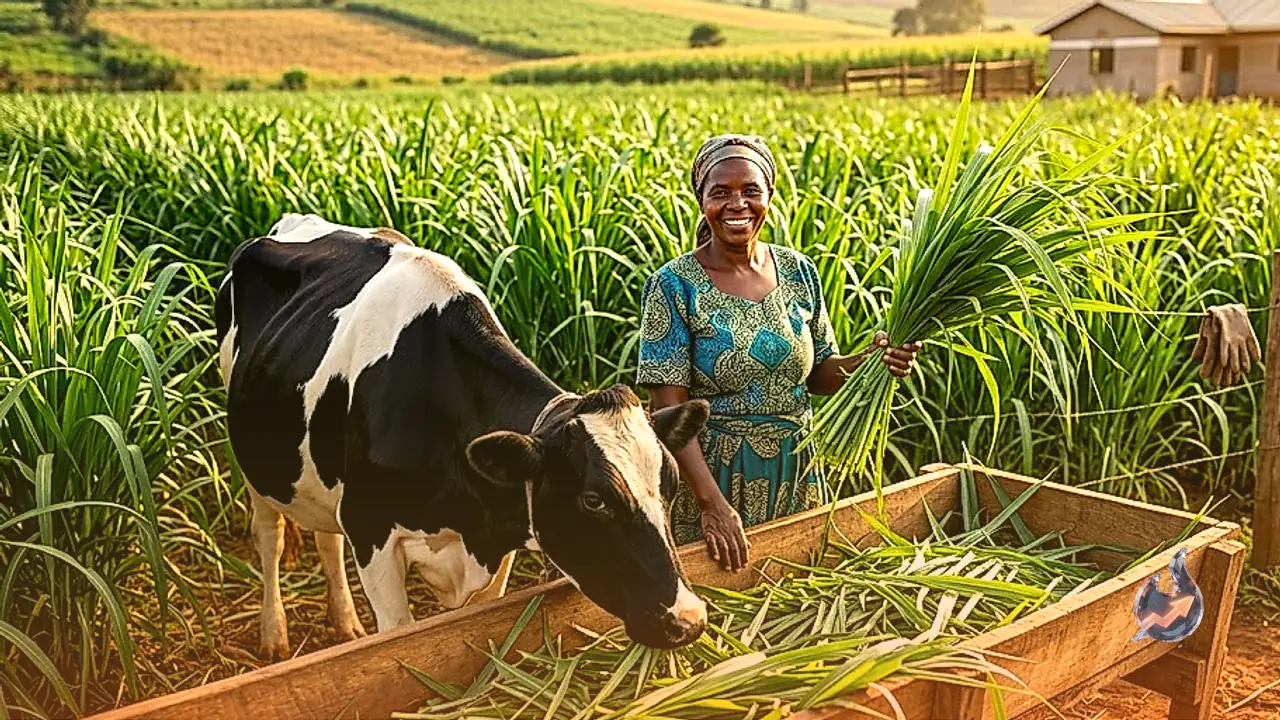

The dairy farming sector frequently grapples with the challenge of providing continuous, high-quality nutrition to livestock. Maintaining a steady supply of green fodder throughout the year is a major hurdle for farmers, directly impacting both the health of the animals and their milk yield. A highly effective solution to this persistent problem is the cultivation of Napier grass. This fast-growing crop requires minimal replanting and offers a sustainable source of rich nutrition for cattle, buffaloes, and goats. By adopting this specific fodder crop, livestock rearers can ensure consistent feed availability while significantly boosting their overall dairy output.
An Expert Perspective on Fodder Cultivation
Understanding the agronomic requirements of this crop is essential for maximizing its potential. Shiv Shankar Verma, the officer in charge of the State Agriculture Centre in Shivgarh, Raebareli, provides detailed insights into its cultivation. Holding a Bachelor of Science in Agriculture from Dr. Ram Manohar Lohia Avadh University in Faizabad, Verma highlights that a hot and humid climate provides the best environment for this grass. The ideal temperature range for its rapid development falls between 25 and 35 degrees Celsius. However, its adaptability means it can flourish across most regions of the country, provided there is a reliable irrigation system in place. A critical precaution to keep in mind is avoiding waterlogged fields, as excess standing water creates a high risk of root rot, which can completely destroy the plantation.
Strategic Field Preparation for Optimal Growth
Preparing the ground properly lays the foundation for years of abundant harvests. The process begins with intensive tilling. The land must be ploughed thoroughly two to 3 times to break up clods and achieve a fine, crumbly soil texture. During the final round of ploughing, farmers should incorporate 8 to 10 tons of well-rotted cow dung manure or compost per acre. This organic enrichment significantly improves soil fertility and structure. Furthermore, conducting a proper soil test before applying any additional chemical fertilizers is highly recommended, as it allows farmers to tailor nutrient application precisely to the field's specific deficiencies and minimize unnecessary expenses.
Planting Techniques and Spacing Guidelines
When it comes to establishing the crop, using seeds is less common and generally less effective. Instead, planting stem cuttings or rooted slips is the preferred and most successful method. Proper spacing is paramount to prevent overcrowding and to give each plant sufficient access to sunlight and nutrients. Farmers must maintain a distance of 60 centimeters between individual plants and 90 centimeters between the rows. This calculated spacing allows the crop to spread outwards and upwards robustly without competing fiercely for resources, ensuring maximum leaf production.
Irrigation and Ongoing Maintenance Protocols
Water management plays a vital role right from the start. A light round of irrigation is necessary immediately after transplanting the slips or cuttings. The watering schedule then shifts according to the season. During the intense heat of summer, when soil moisture evaporates rapidly, the crop requires irrigation at intervals of 7 to 10 days to prevent drying out. In the cooler winter months, the frequency can be reduced to every 15 to 20 days. During the monsoon season, the focus shifts from adding water to removing it, making proper drainage systems essential. To further encourage robust growth, a nitrogen-based fertilizer should be applied following the very first harvest. Keeping the field entirely free of weeds through regular manual weeding ensures that all soil nutrients go directly to the fodder crop, leading to faster regeneration and higher overall biomass production.
Harvesting Cycles and Long-Term Benefits
The timeline for harvesting offers a rapid return on effort. The initial cutting can typically be done 60 to 75 days after planting. Following this first harvest, the regeneration cycle accelerates, allowing farmers to take subsequent cuts every 40 to 50 days. The most remarkable feature of this grass is its longevity; a single well-maintained plantation will consistently yield green fodder for 3 to 5 years. This continuous supply practically eliminates the seasonal fodder shortages that plague dairy operations. For the best nutritional outcomes, Verma advises that the grass must always be harvested before it begins to flower. At this pre-flowering stage, the stalks and leaves remain tender, highly nutritious, and remarkably easy for livestock to digest. When mixed properly with other dry or green feed, it delivers a perfectly balanced diet that keeps the herd exceptionally healthy and productive.