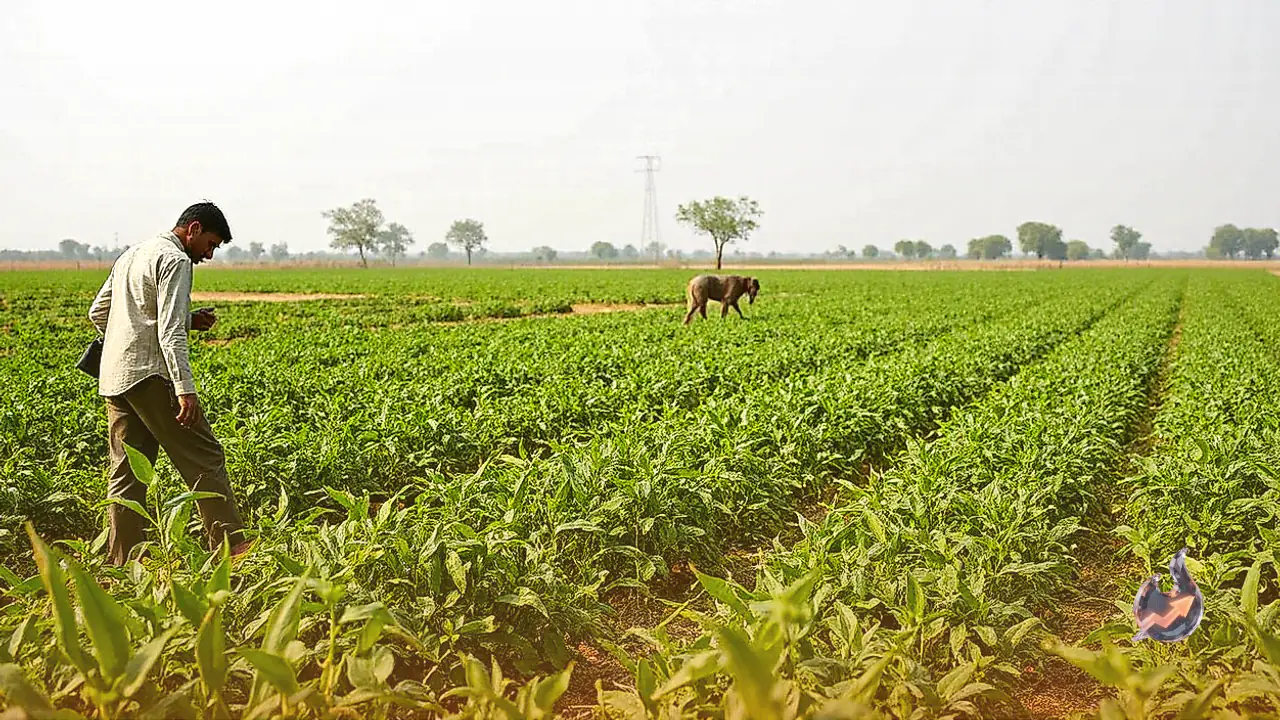























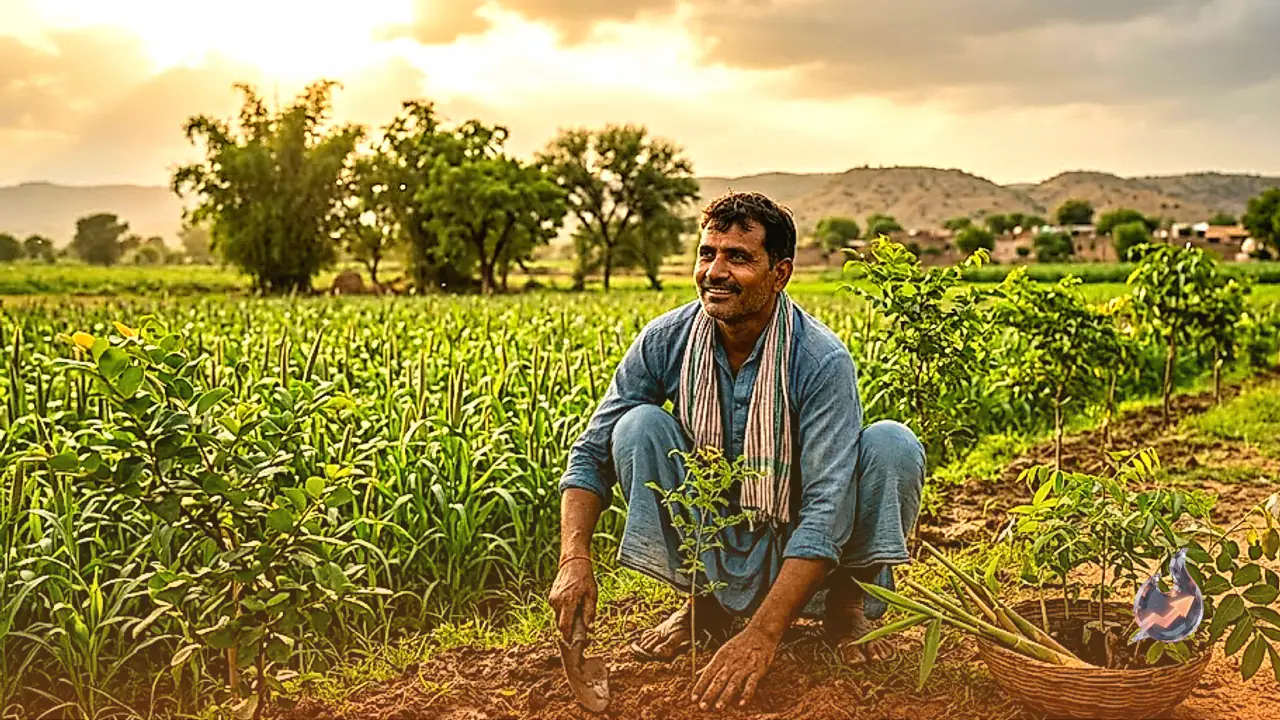

Monsoon is widely considered the best season for planting, since saplings put in the ground during these weeks take root quickly and have a far better chance of survival. Agriculture experts say that if farmers grow a handful of specific trees and shrubs along the borders of their fields, they get two benefits at once: protection of standing crops from stray animals, and a fresh source of income down the line.
Low cost, long-term payoff
None of these plants require heavy upfront spending, yet the returns keep coming for years. Top of the list is the karanj tree, which grows fast and whose dense branches form a natural living wall around the field. Oil extracted from its seeds is used both in industrial applications and in making organic pesticides, while its leaves go into preparing organic compost.
Karonda's thorny hedge and bamboo's strength
Planting karonda along the field edge produces a thick, thorny thicket that keeps nilgai and other stray animals from wandering in. Its fruit fetches a decent price in the market, adding to farmers' earnings. Bamboo, often called green gold, does a similar job underground: its strong root system holds the soil in place and reinforces the field boundary. A few years after planting, selling the bamboo itself can bring in good money, and the wood is also used in construction and everyday household needs.
Neem works as a natural pesticide
Neem is rated highly for its environmental benefits. Its leaves and seeds act like a home-grown pesticide, cutting down the impact of harmful insects near the field. Over time, farmers can also earn from selling neem wood and seeds.
Babool and khejri suit dry regions
In areas short on water, both babool and khejri turn out to be strong choices. Their thorny trunks add an extra layer of security to the field and keep animals from moving through. Khejri leaves serve as nutritious fodder for livestock, while its wood and pods bring farmers additional income as well.