



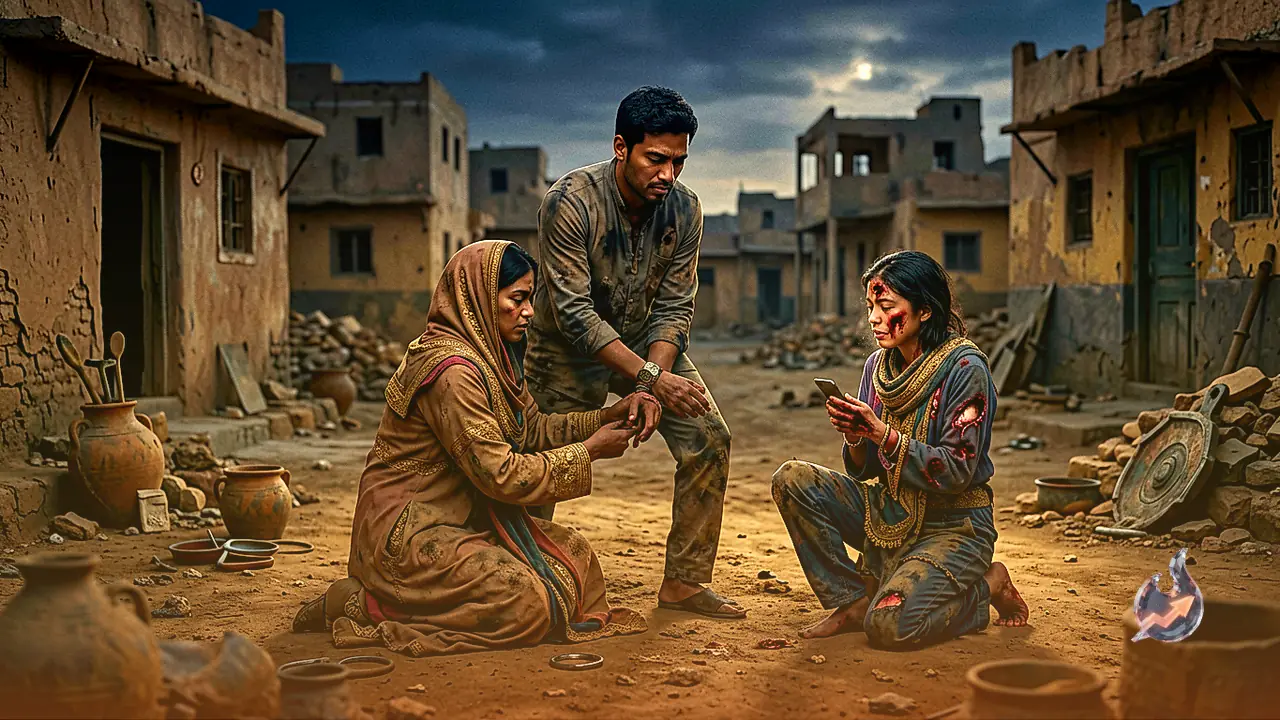















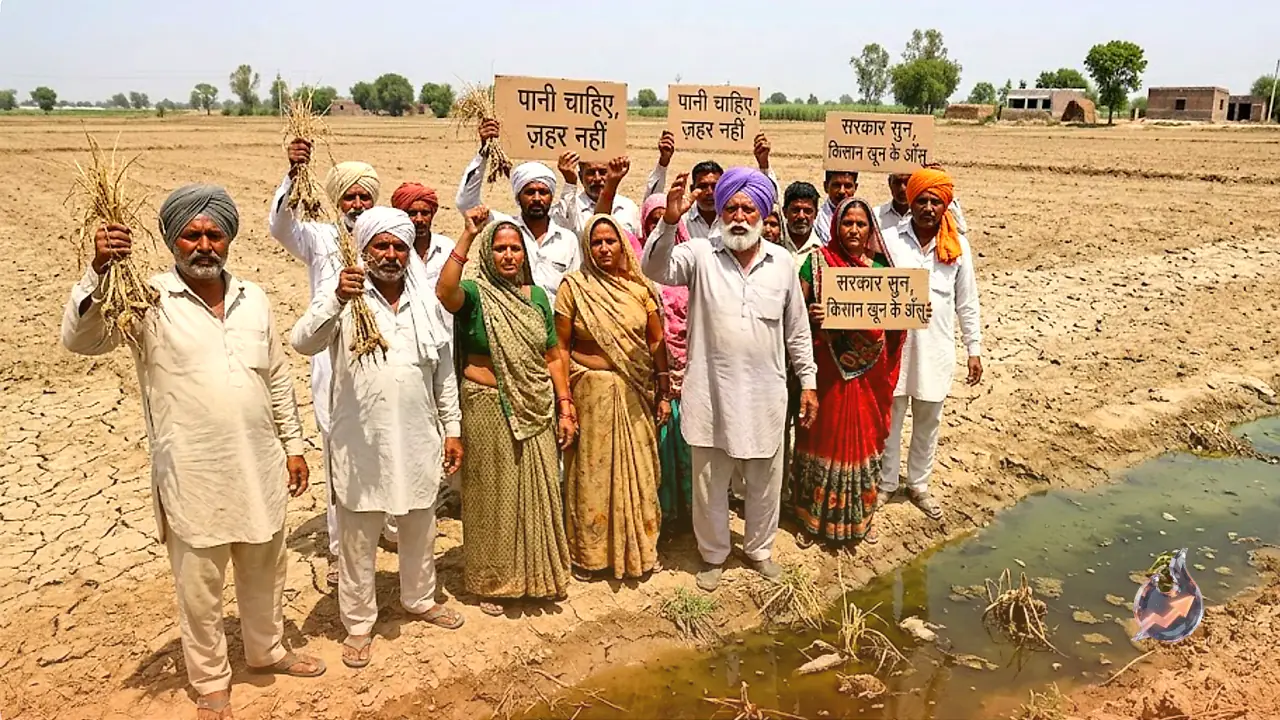

Sri Ganganagar, widely recognized as the 'Breadbasket' of Rajasthan due to its highly fertile lands, is currently enduring one of the most critical water shortages in its recorded history. The combination of a deficient monsoon and a significant reduction in the flow of the Ghaggar River has left the entire region struggling to maintain agricultural output. The most immediate and devastating impact is being felt by farmers during the current Kharif season, casting a shadow of anxiety over the entire farming community.
Stalled Paddy Transplantation
The optimal window for sowing the primary Kharif crop, paddy, is rapidly closing. While farmers initially invested significant capital to prepare rice seedlings in nurseries, the absolute lack of irrigation water has completely halted the transplantation process. Unable to access even a single drop of water, farmers are helpless as they witness their ready-to-plant seedlings wilting in the scorching conditions. The lack of irrigation infrastructure support has created a situation where the entire season's yield is at risk.
The Threat of Contaminated Water
The situation escalated significantly when the saline and highly contaminated water from the Sem drain was released into the Rangmahal escape. Angry farmers subjected this water to laboratory testing, which revealed it was entirely unsuitable for agricultural purposes and potentially hazardous. Farmers assert that irrigation with this toxic runoff would irreversibly turn their fertile fields into barren wasteland, effectively acting as a long-term time bomb for the local agricultural ecosystem.
The Divide Among Farmers
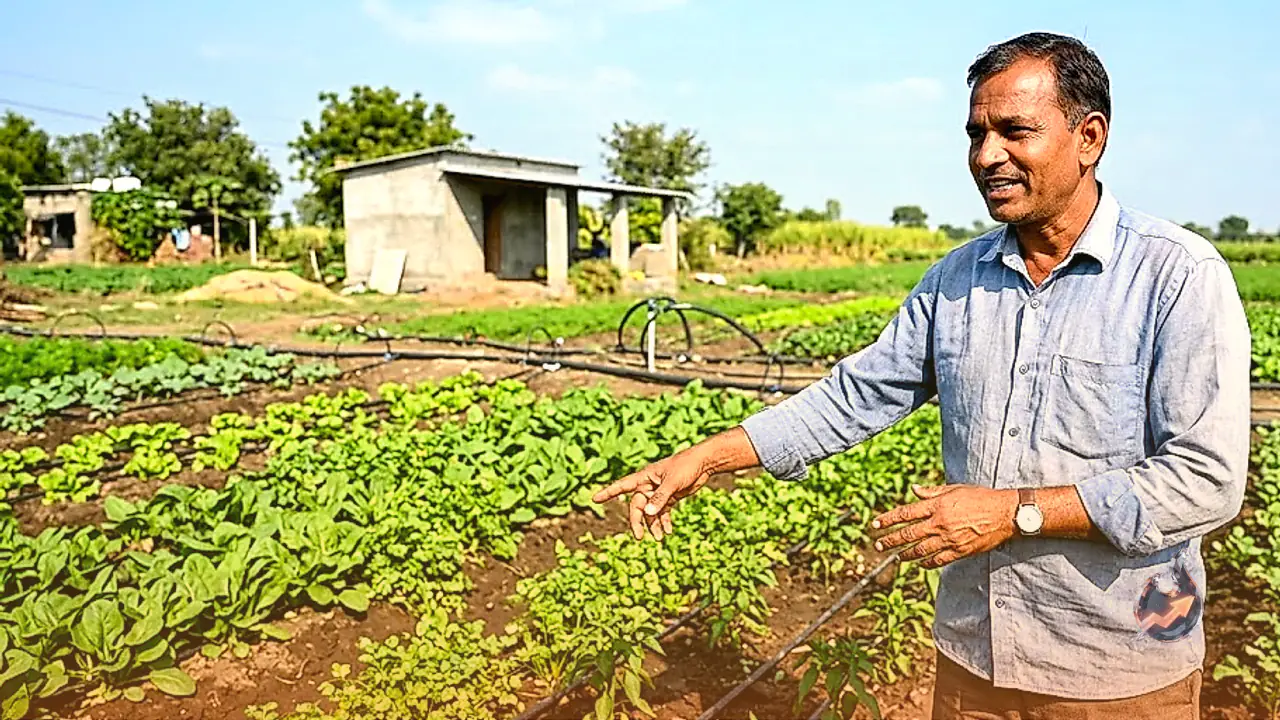
The ongoing crisis has created a sharp divide among the district's cultivators. A small number of affluent farmers with access to private tubewells are struggling to sustain their crops through expensive, personal measures. In contrast, the vast majority of marginal and small-scale farmers remain utterly destitute. They have no alternative irrigation methods and are left waiting, staring at the sky for rain or hoping for the release of clean water through the irrigation canals.
Demands for Urgent Action
Given the severity of the crisis, local farmer organizations and villagers have launched a formal protest against the district administration and the government. Their primary demands include ensuring the immediate supply of clean irrigation water through the canal network to salvage their fields and conducting a rigorous, impartial investigation into the officials and entities responsible for discharging toxic, saline water into the Rangmahal escape. Without decisive intervention from the administration, this agricultural hub faces the looming threat of severe economic decline and a regional food security crisis.