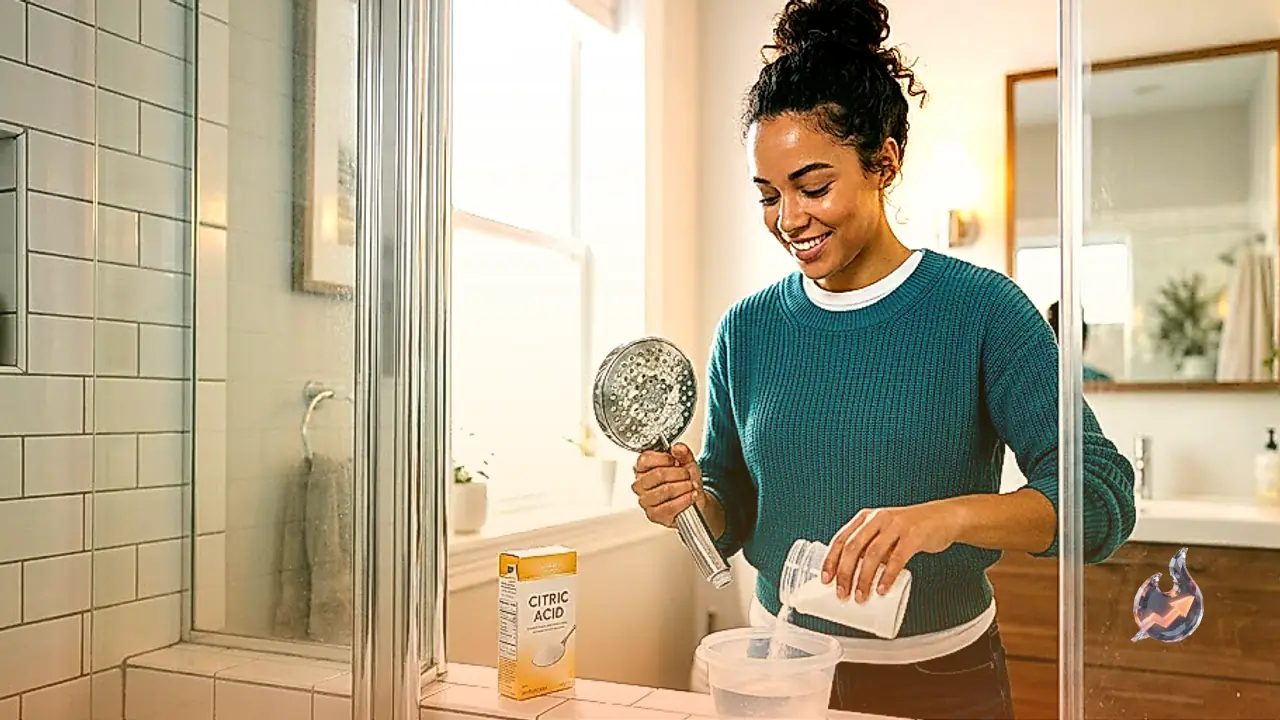
























Experiencing a sudden drop in water pressure from a bathroom shower is a common household nuisance. While many people immediately assume the issue stems from plumbing problems, the real culprit is often limescale buildup inside the tiny holes of the shower head. Over time, minerals like calcium and magnesium present in tap water accumulate within these nozzles, gradually choking the water flow.
A Stronger Alternative To Vinegar And Baking Soda
To tackle this mineral buildup, people frequently turn to home remedies such as vinegar or baking soda, though these methods do not always yield strong results. A far more effective and effortless approach is using citric acid. This compound helps dissolve mineral deposits quickly without requiring excessive scrubbing or hard physical labor, restoring the shower head to optimal performance.
Step-By-Step Cleaning Guide
Citric acid is widely accessible and can be easily purchased at hardware stores, cleaning supply shops, or online platforms. To clean the fixture, fill a container with warm water and mix in two to three tablespoons of citric acid. If possible, unscrew the shower head and detach it entirely. Submerge the fixture in the solution for thirty minutes to an hour.
After soaking, take an old toothbrush and gently scrub away the loosened grime and stubborn limescale crust. Rinse the unit thoroughly with clean water and reinstall it. If detaching the shower head is not an option, simply fill a plastic bag with the citric acid solution and secure it tightly around the shower head using a rubber band so the nozzles remain submerged.
Understanding Hard Water And Prevention
The primary driver behind limescale accumulation is hard water. In regions where the water supply contains high concentrations of calcium and magnesium, minerals deposit rapidly inside pipes, faucets, and shower heads. As time passes, this layer thickens and severely obstructs the flow of water.
To keep fixtures running smoothly, clean the shower head at least once a month. Keep the shower area and surrounding surfaces dry after use, and routinely inspect the spray holes for early signs of blockage. If the water supply in your area is exceptionally hard, investing in an anti-limescale system or a dedicated water filter is worth considering.