























When it comes to agricultural profits, farmers across India almost automatically turn to paddy cultivation, but Ashok Kumar Patel from Jhlmala in Balod has spent the last 45 years taking a completely different path. He focuses entirely on vegetable farming, firmly believing it offers far better returns than traditional paddy. While a paddy crop takes roughly four months to mature, vegetable farming allows growers to harvest quickly, bring their produce to the local market every single day, and generate a steady, immediate stream of income.
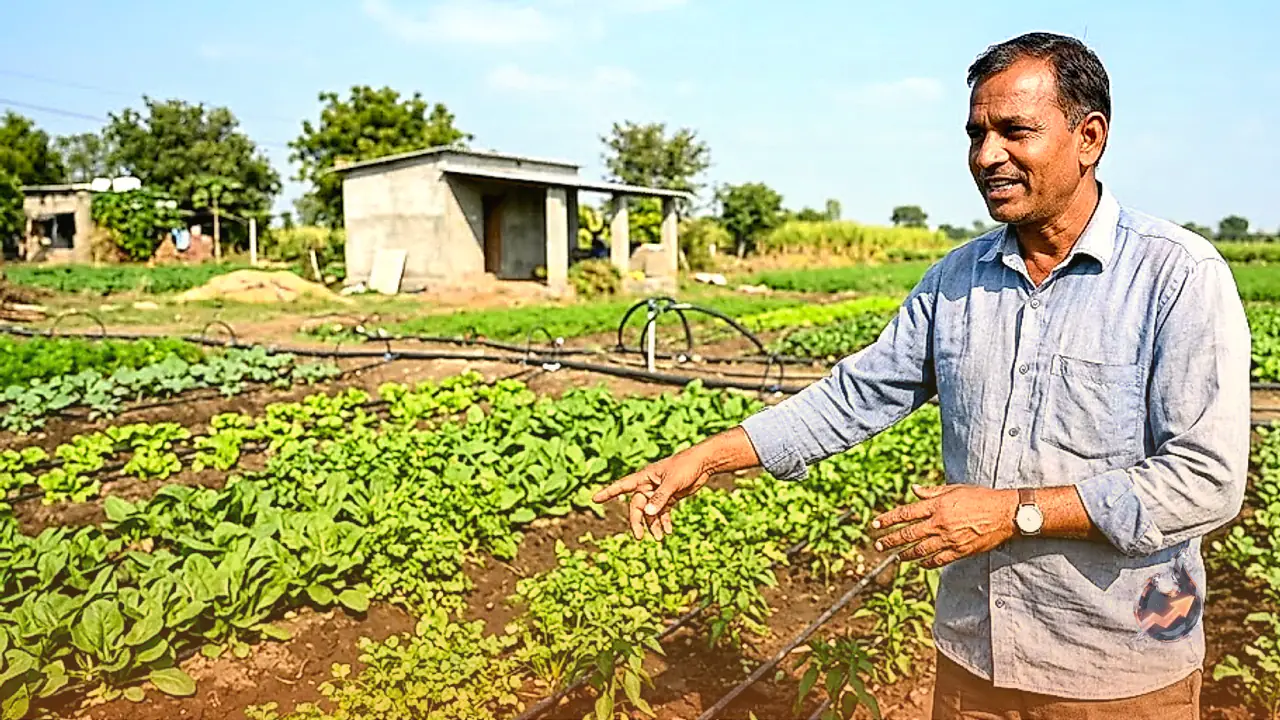
During the current rainy season, Patel is actively cultivating red amaranth and spinach. These particular crops reach maturity in just 20 to 25 days. Because they grow so rapidly, he can harvest and sell them at the right time to secure solid earnings. In addition to leafy greens, he grows yardlong beans and ridge gourds. Yardlong beans take about two months to mature and currently fetch around 20 rupees per kilo in the market, while ridge gourds are commanding a much higher price of up to 80 rupees per kilo.
Rainy season cauliflower is another high-value crop in Patel's fields, bringing in strong market prices. At present, monsoon-grown cauliflower sells for approximately 100 rupees per kilo, while his red amaranth and Chinese amaranth are sold at 20 rupees for bundles of five. The biggest advantage of growing vegetables, according to the veteran farmer, is the daily cash flow. Once the crops are ready, a farmer can visit the market every day, sell the vegetables, and put cash in hand by sunset.
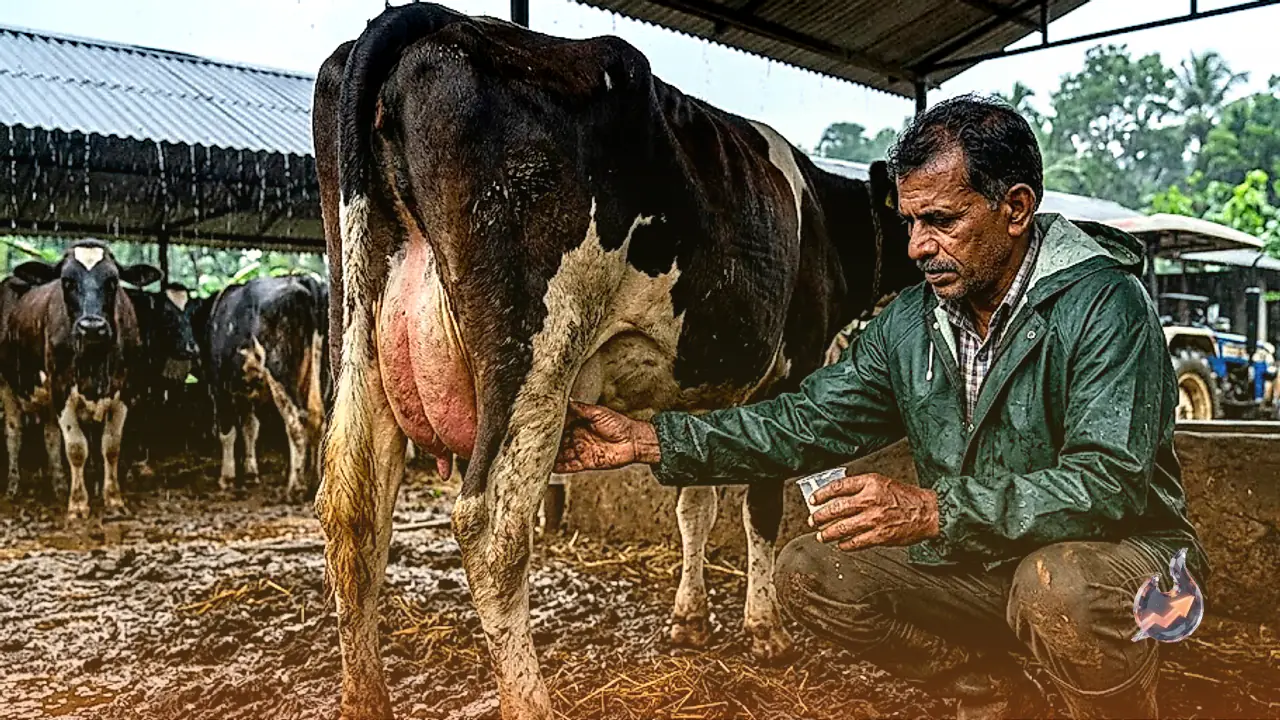
Patel likens vegetable farming to owning a milch cow. The routine involves gathering fresh produce from the farm, taking it to the local market, selling throughout the day, and returning home with earnings every single evening. This daily cycle makes it entirely possible to bring in around 1,000 rupees a day in regular revenue, supporting household needs without long financial gaps.
At the same time, vegetable cultivation demands careful attention to plant health, particularly protecting crops from viruses, diseases, and destructive pests. When crops remain safe from these common agricultural threats, farmers can extract a prolonged harvest. Yardlong beans, for instance, continue producing for at least four months. Ridge gourds take two months to mature, and if protected successfully from pest attacks, they can yield an additional month and a half of extra production.
Water management is another area where vegetables hold a clear edge over paddy, requiring significantly less water overall. Patel utilizes a drip irrigation system to water his fields efficiently. The entire irrigation process takes just half an hour to complete. Furthermore, essential nutrients such as urea, potash, and NPK 12:61:00 are delivered directly to the plants through the drip lines in about 10 minutes. By choosing the right crops, hitting the market at the correct time, and applying smart management practices, Patel notes that a farmer can easily pocket a net income of 50,000 rupees from just a single acre of land after covering all operational expenses.