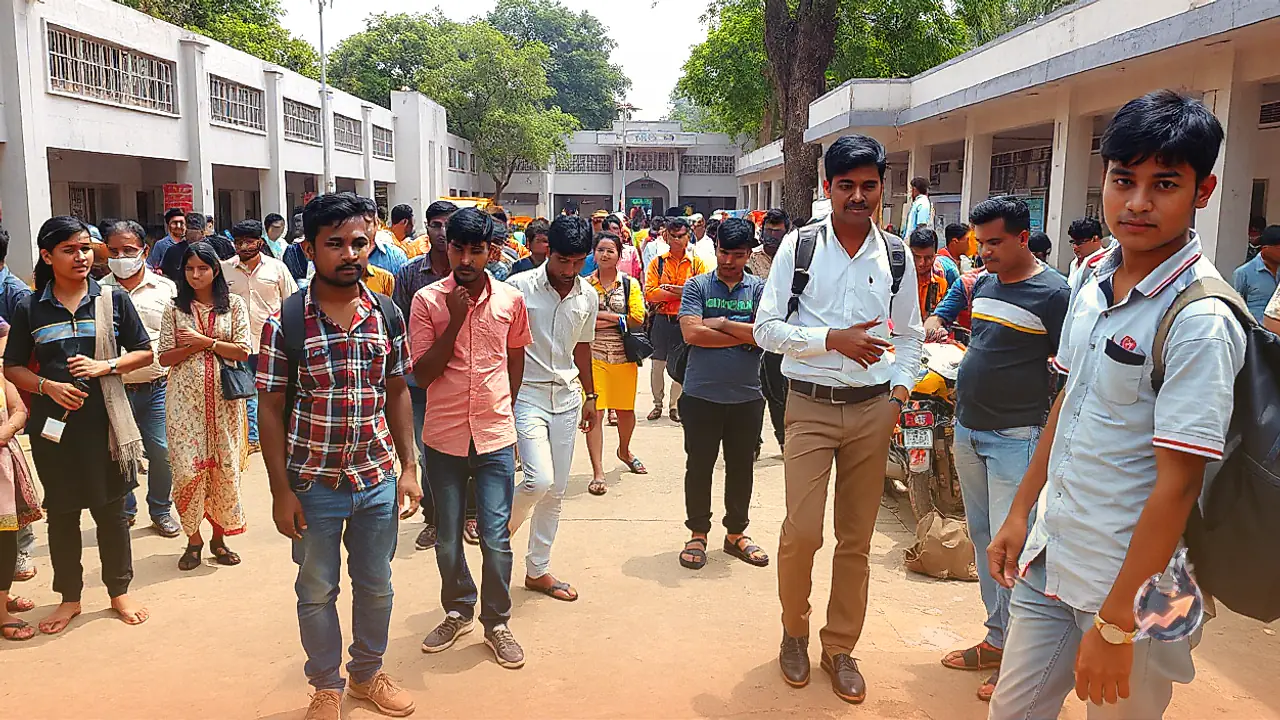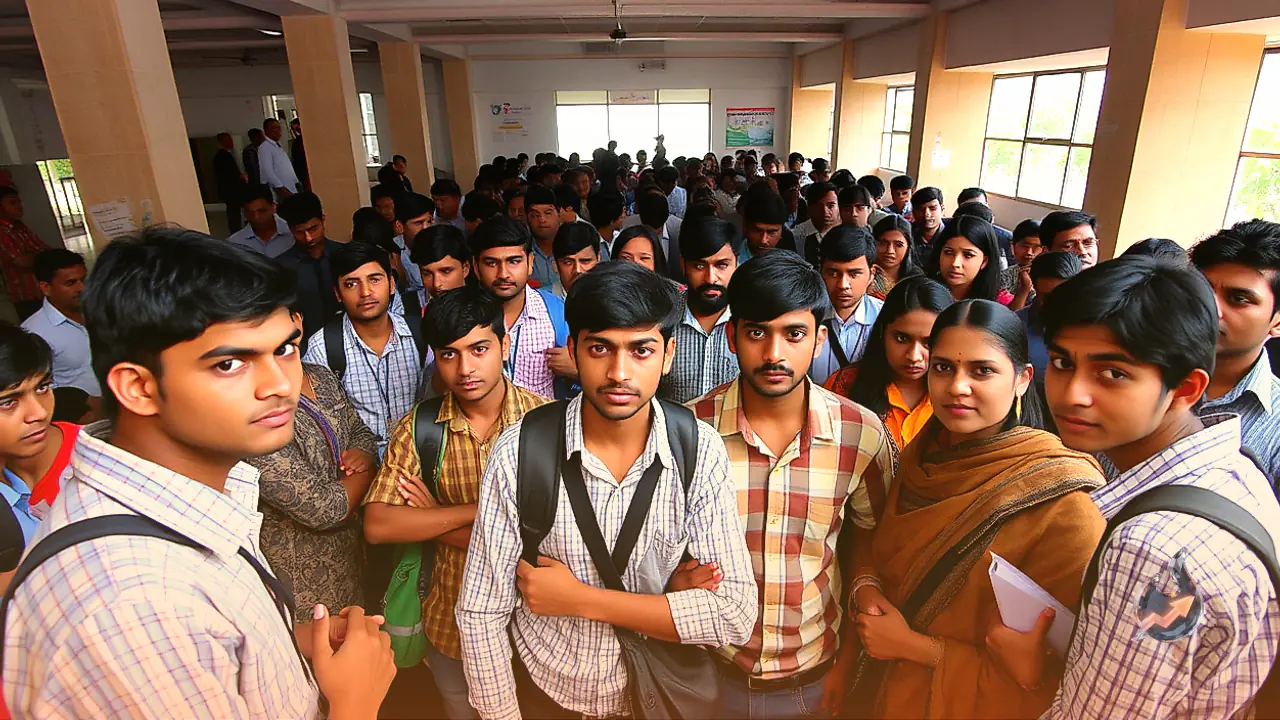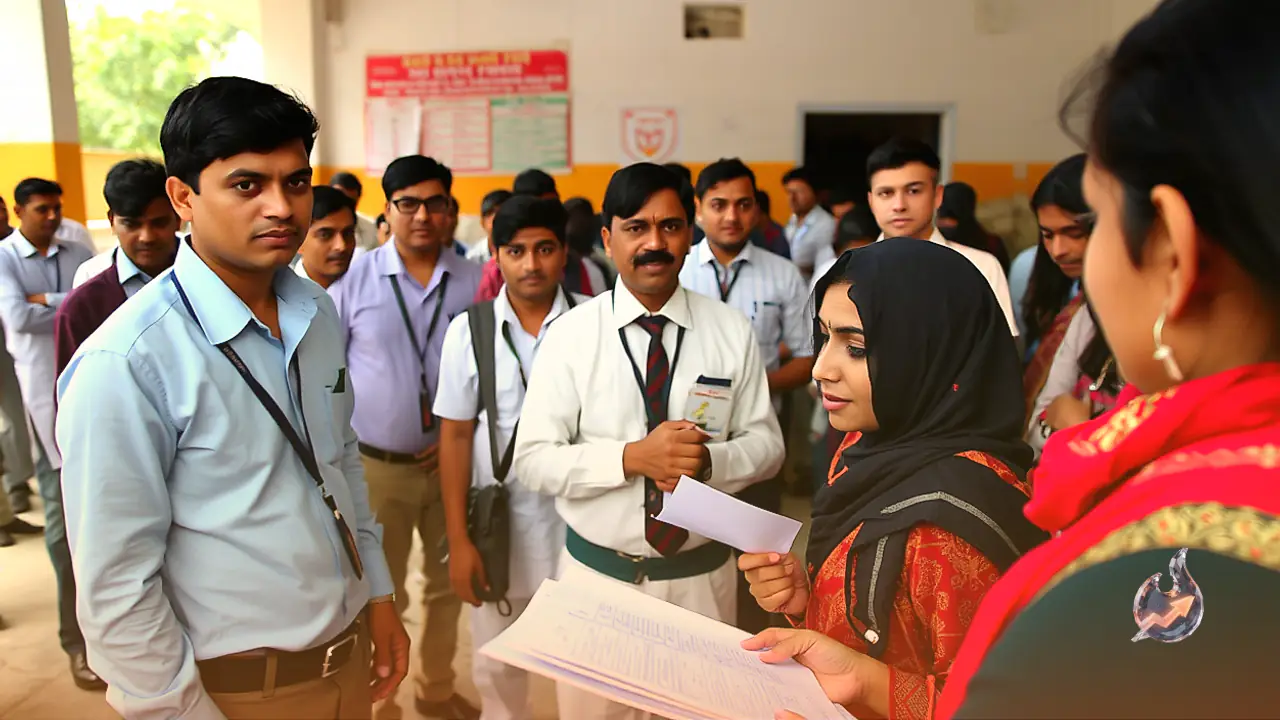




















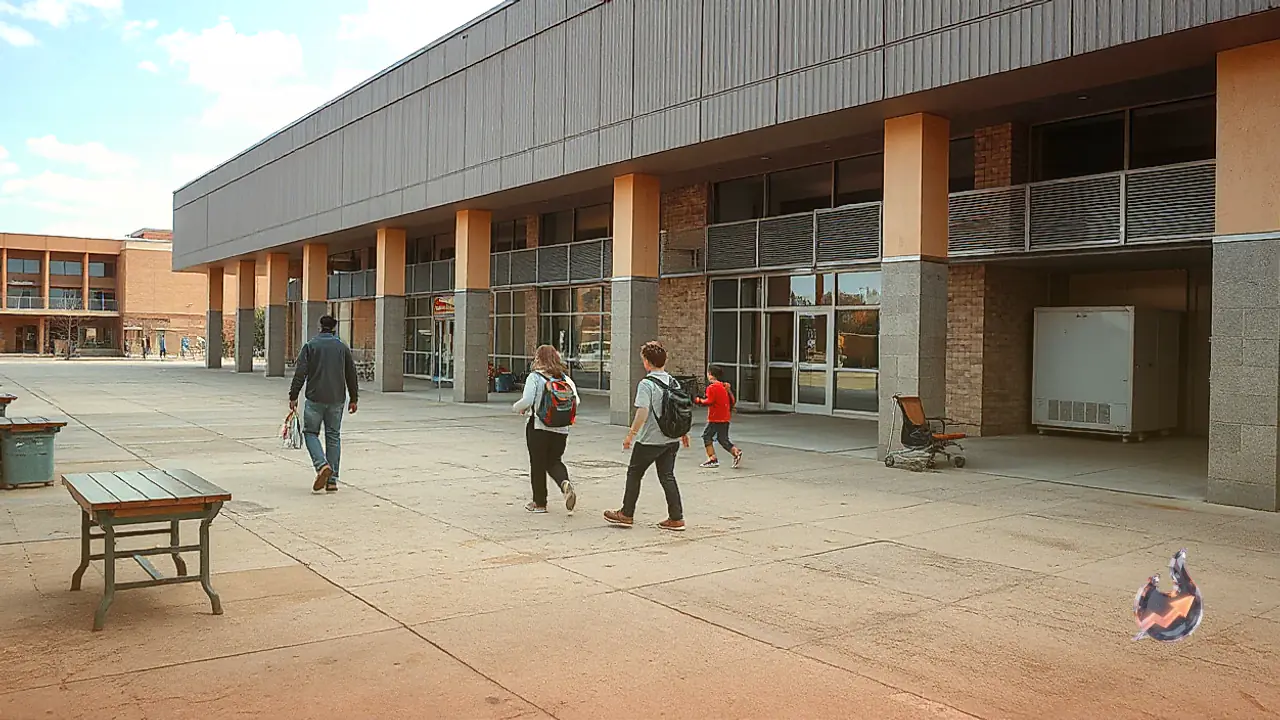

In a rapidly changing and digital era, the scope of education is no longer confined to merely turning pages of textbooks and securing top grades in report cards. The primary goal of modern education is to shape a child into a sensitive, disciplined, and responsible citizen. The current generation spends a significant amount of time glued to smartphones, social media, and rote learning from textbooks. Under such circumstances, it has become essential to take children out of traditional classrooms and expose them to real-life experiences so that their overall mental and social development takes place in the right direction.
The Need for Defense Awareness in Schools
Nishi Dhanjal, the principal of Dharwa High School located on Ajmer Road in Jaipur, considers defense awareness and community service to be vital components of school education. By engaging in activities like NCC or NSS, children do more than just social work or parades; they learn valuable lessons in discipline, teamwork, leadership, and their responsibilities toward the nation. This provides students with practical experiences that can mold them into tomorrow's true heroes. It is essential to understand why defense education is necessary within the school syllabus and how it fosters holistic growth.
Defining the True Meaning of Defense Awareness
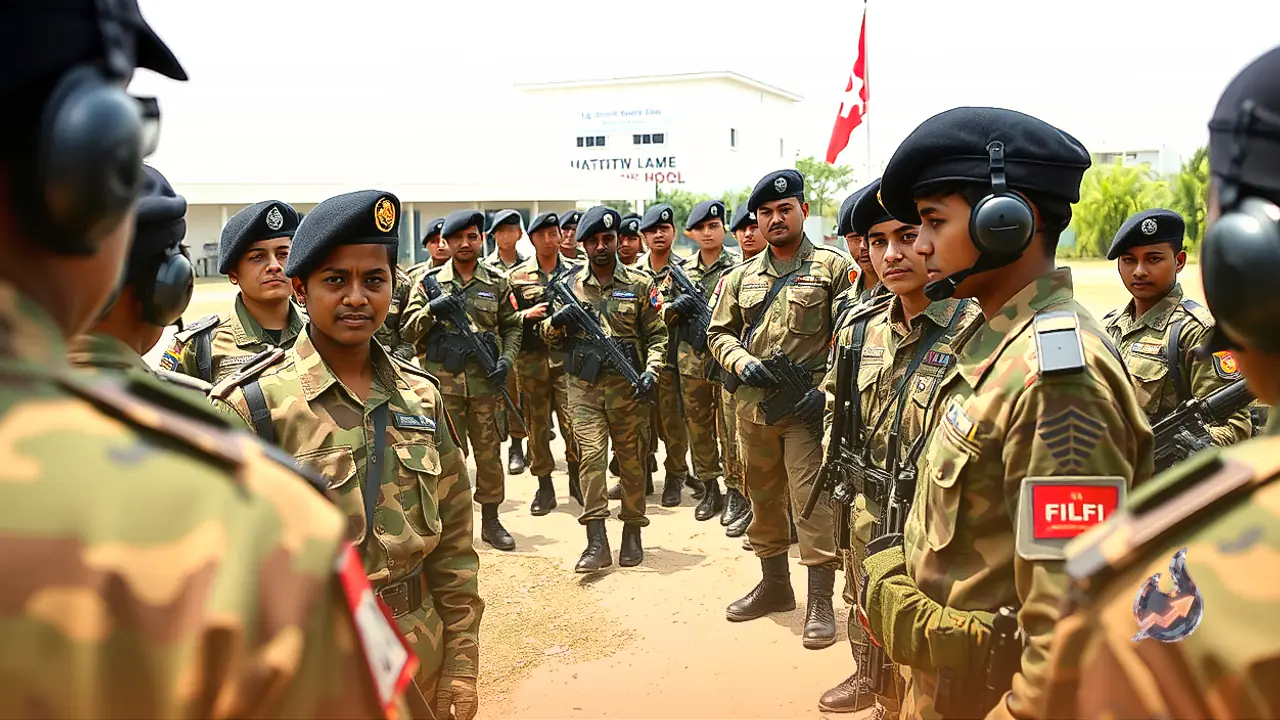
Many people mistakenly associate defense awareness solely with weapons training or warfare. At the school level, its actual purpose is to acquaint children with the country's security systems, the role of the armed forces, defense management, and the duties of an ordinary citizen during emergencies. Students must understand that national security is not restricted only to soldiers stationed at the borders. Being a vigilant citizen involves practicing cyber safety, administering first aid, and strictly following traffic and emergency rules as forms of serving the nation. Annual NCC camps and disciplinary training significantly strengthen a child's inner resilience.
Making Defense Training Simple and Engaging
Rather than imposing defense education like a heavy and burdensome syllabus, it should be integrated with interactive activities. Veterans and defense experts can be invited to schools to share their valuable experiences with students. Educational visits to military academies, war memorials, or local police and fire stations can be organized regularly. Practical workshops covering first aid, firefighting techniques, and basic self-defense should be held every quarter to boost students' confidence and preparedness against unforeseen situations.
Learning Life's Greatest Lessons Through Community Service
Community service is one of the best mediums to keep children grounded and connected to reality. When students spend time participating in cleanliness drives, plantation programs, or visiting orphanages and old-age homes, their ego diminishes entirely. Simultaneously, their empathy and sensitivity toward others grow manifold. Initiatives like the NSS provide students with a practical platform to understand real societal challenges and recognize the needs of people coming from diverse backgrounds.
Implementing This Model Without Increasing Academic Pressure
Several teachers and parents harbor fears that introducing defense education might adversely affect students' academics. However, the solution to this concern is quite straightforward. These activities can be integrated into the school's extra-curricular framework or linked with social work credits. Furthermore, the model should be tailored according to the age group of the children. Younger students can be taught simple habits of planting saplings and disposing of waste in dustbins, while senior students can receive specialized training in disaster management and first aid. Combining sports with community drives during weekends or summer camps can turn these learning experiences into fun activities.
A Boon for the Digital Generation
Children of the current digital generation are increasingly falling victim to screen addiction and social isolation. Community service and defense awareness directly reconnect them with human interactions, helping them develop multiple vital skills. Their communication skills improve significantly, problem-solving abilities in difficult situations are enhanced, and emotional intelligence—the capacity to feel for others—increases notably. Whether they are teachers, parents, or students, everyone must recognize that the ultimate goal of education is not merely distributing degrees, but building an empowered, sensitive, and patriotic society.