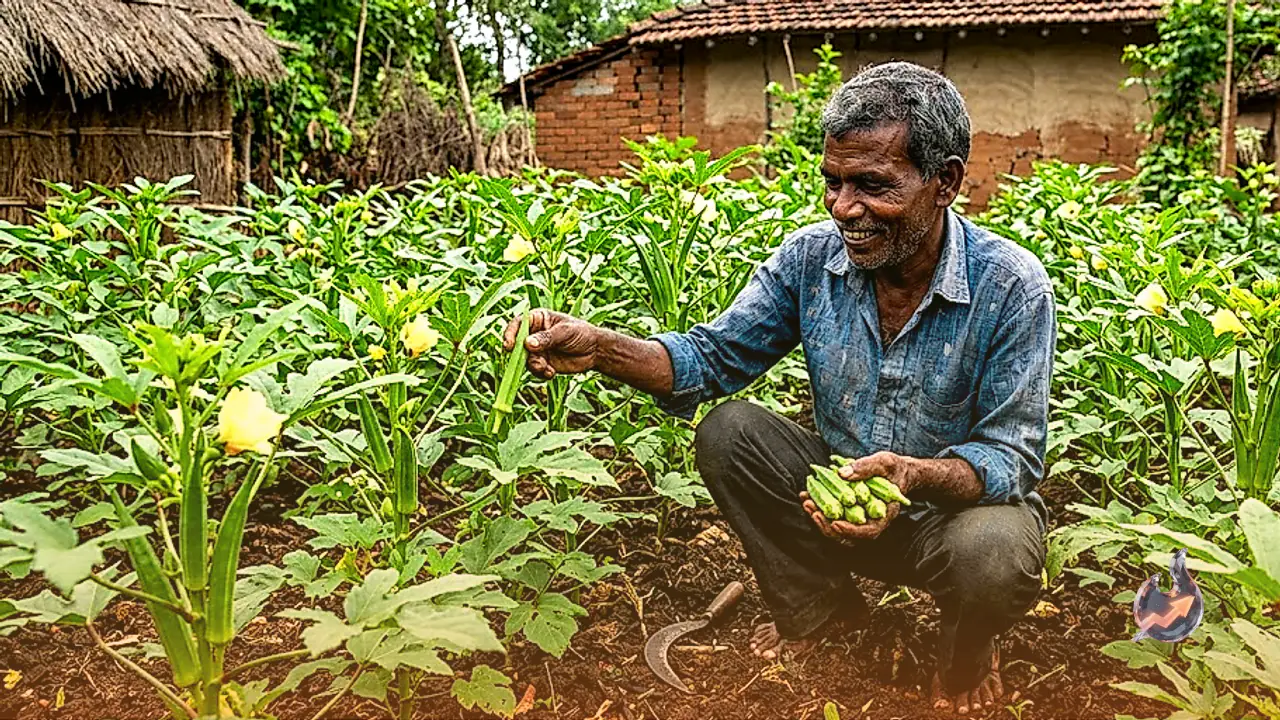























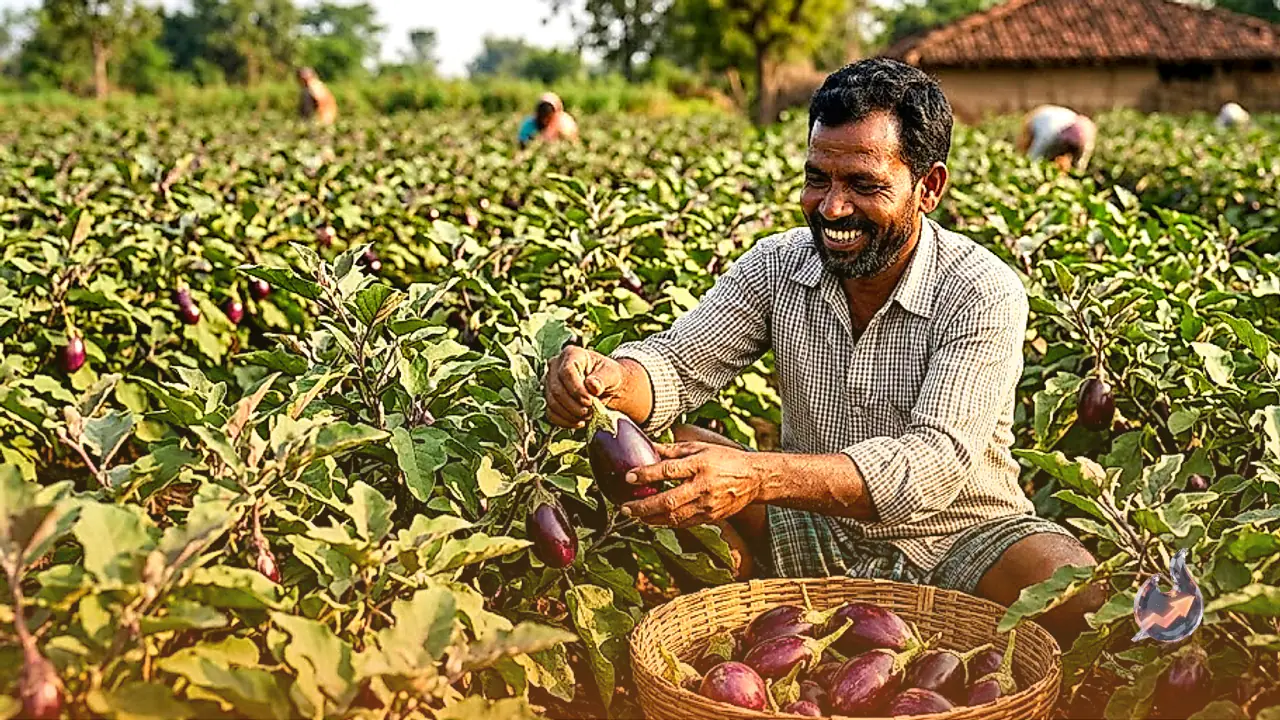

Vegetable cultivation is transforming agricultural returns for cultivators in the Bastar region of Chhattisgarh, where brinjal has emerged as a particularly lucrative choice. The crop appeals strongly to growers because it requires relatively low initial investment while delivering high yields within a compact growing cycle. Demonstrating this viability, local farmer Farsu Kashyap planted brinjal across a modest half-acre plot and established a dependable source of revenue. He points out that brinjal fields generally encounter fewer pest infestations compared to many alternative crops, making it a reliable and economically sound agricultural venture.
Land Preparation and Precise Plantation Standards
Achieving optimal crop yield demands thorough preparation of the agricultural field prior to sowing. The process begins with ploughing the soil two to three times to break up the ground, followed by the operation of a rotavator to achieve a fine, loose tilth. Once the plot is leveled and ready, beds are marked out to receive mature seedlings transplanted directly from the nursery. Growers maintain a distance of 2 feet from bed to bed, while spacing individual plants 1 foot apart along the row. Soil enrichment relies on a balanced nutritional mixture incorporating farmyard manure alongside super phosphate, potash, and urea to nourish vegetative growth.
Low Costs, Market Rates, and Extended Harvesting Windows
Transplanted brinjal plants begin fruiting rapidly, yielding their first harvest in approximately one month, with picking continuing steadily over a three-month span. According to Farsu Kashyap, growers can remain profitable even if wholesale market rates drop to a baseline of 10 rupees per kilogram. Currently, wholesale prices are hovering around 30 rupees per kilogram. His expenditure across the half-acre cultivation ranged between 30,000 and 70,000 rupees, and he projects net earnings between 1 and 2 lakh rupees. The prolonged harvest window ensures steady cash flow across multiple weeks.
Disease Resistance and Timely Crop Management
While brinjal stands out for its natural resilience against widespread crop diseases, ongoing field vigilance remains essential. When issues do arise, leaf borer pests occasionally surface on the crop foliage. Detecting early signs of infestation allows growers to administer targeted insecticide sprays promptly, safeguarding the health of the plants and preventing any decline in marketable vegetable yields.