



















Festivals in Chhattisgarh carry a distinct cultural identity and rich heritage, with every celebration tied to unique beliefs, rituals, and folklore. Among these, Devuthani Ekadashi, locally celebrated as Jethouni Ekadashi, holds a special place and is traditionally observed as a smaller version of Diwali. Beyond worshipping Lord Vishnu and the Tulsi plant, this day is marked by the special veneration of household livestock. From setting up ceremonial canopies made of sugarcane to offering seasonal fruits, tubers like kanda, water chestnuts, and traditional leafy greens, these customs define the region's folk culture. Furthermore, the day involves distinct practices like burning old bamboo baskets and feeding animals in a ceremonial manner. Dr. Somnath Yadav, a senior folk literary figure from Bilaspur, shared detailed insights into the significance of Jethouni Ekadashi, why livestock is worshipped alongside Tulsi weddings, and the beliefs driving these traditions.
Tulsi Weddings and Ceremonial Sugarcane Canopies
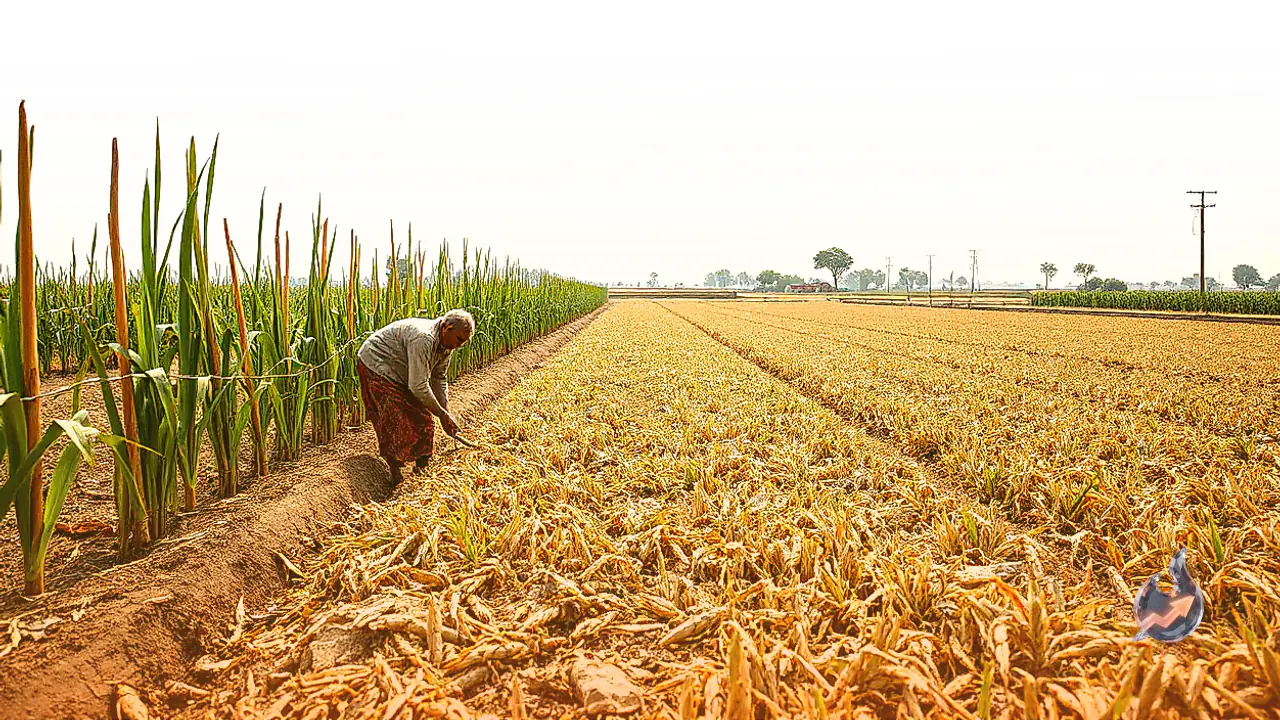
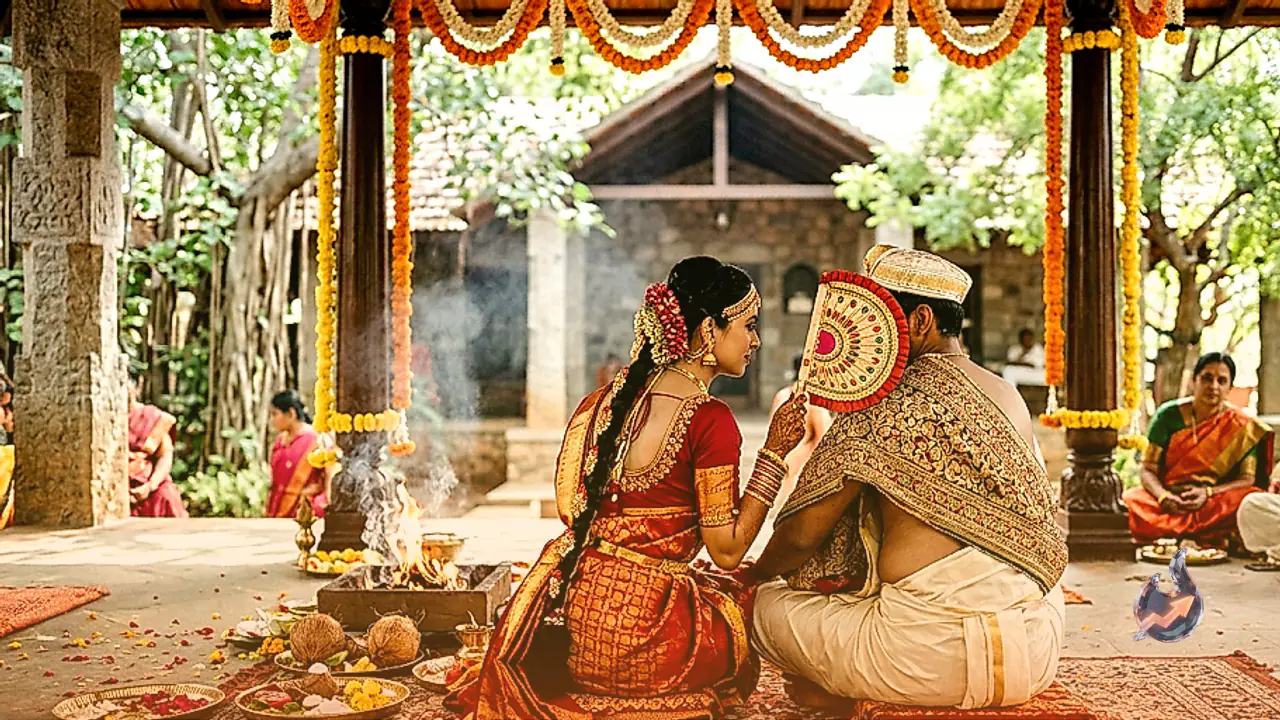
According to Dr. Somnath Yadav, Jethouni Ekadashi is celebrated with great enthusiasm across both urban and rural areas in Chhattisgarh. Families construct elaborate canopies using sugarcane stalks for the Tulsi plant in their homes, where the sacred marriage ceremony is performed with full rituals. Local seasonal fruits, vegetables, and leafy greens are offered to the deities during the prayers. Following the worship, families pray for domestic peace, harmony, and overall prosperity, reinforcing community and familial bonds.
Offerings of Tubers, Water Chestnuts, and Greens
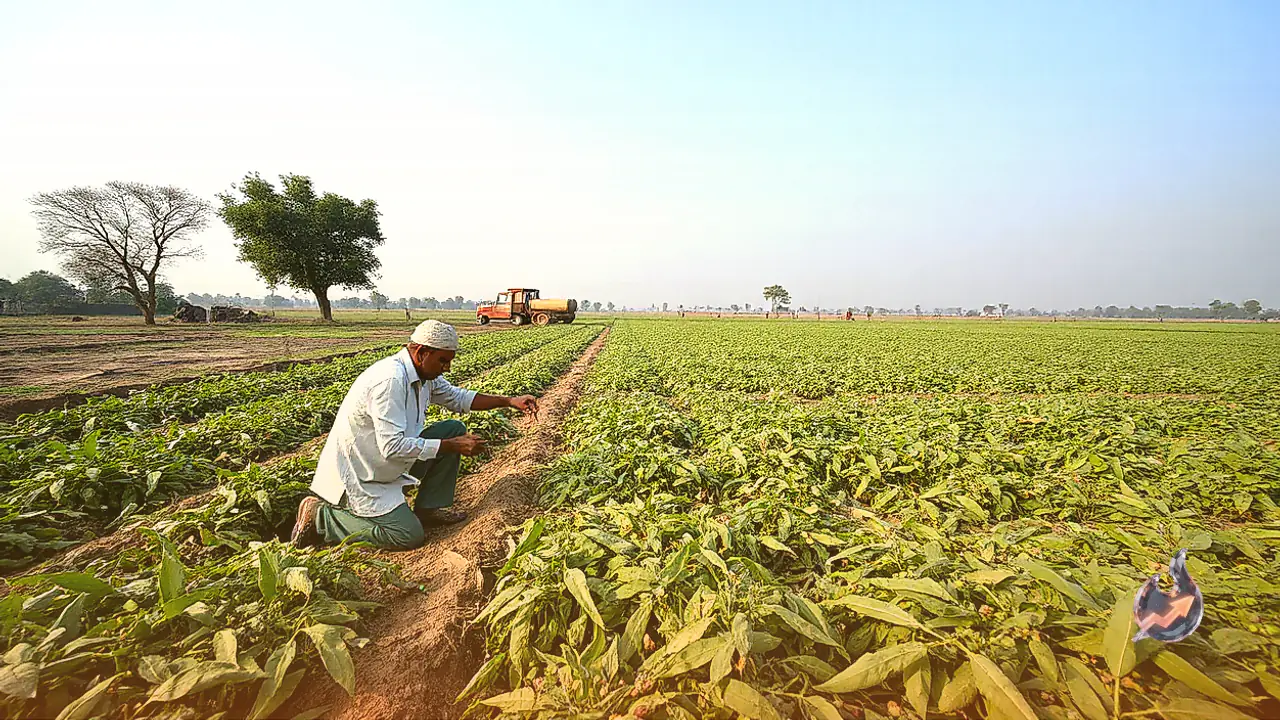
The culinary traditions of Chhattisgarh shine brightly during Jethouni Ekadashi. The ritualistic offerings include local produce such as kanda, water chestnuts, ber, amla, and balchindi. Additionally, specific leafy greens like chana bhaji and lal bhaji are presented as offerings to the divine. Once blessed, these items are shared and consumed collectively by family members. Households also prepare sweet kheer and pooris, which are distributed among neighbors and relatives as prasad.
Livestock Worship and the Suhai Tradition
A standout feature of this festival is the dedicated worship of livestock. Dr. Yadav explains that cows, buffaloes, and other domestic animals are considered vital members of the household. Therefore, animal shelters and cowsheds are meticulously cleaned, and the animals are venerated with proper rituals. Members of the Yadav community within the Raut social group tie sacred suhai bands to the cattle. Prayers are offered to ensure the health, safety, and well-being of all farm animals and creatures.
The Unique Custom of Burning Old Baskets
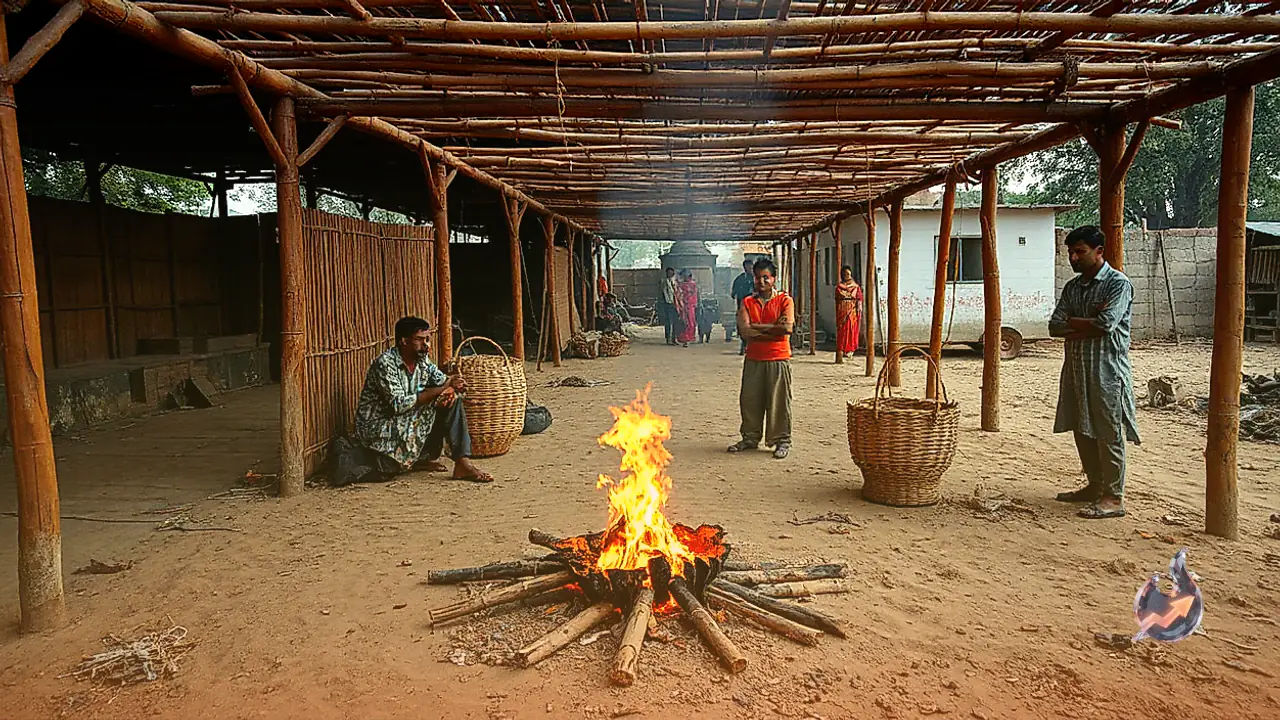
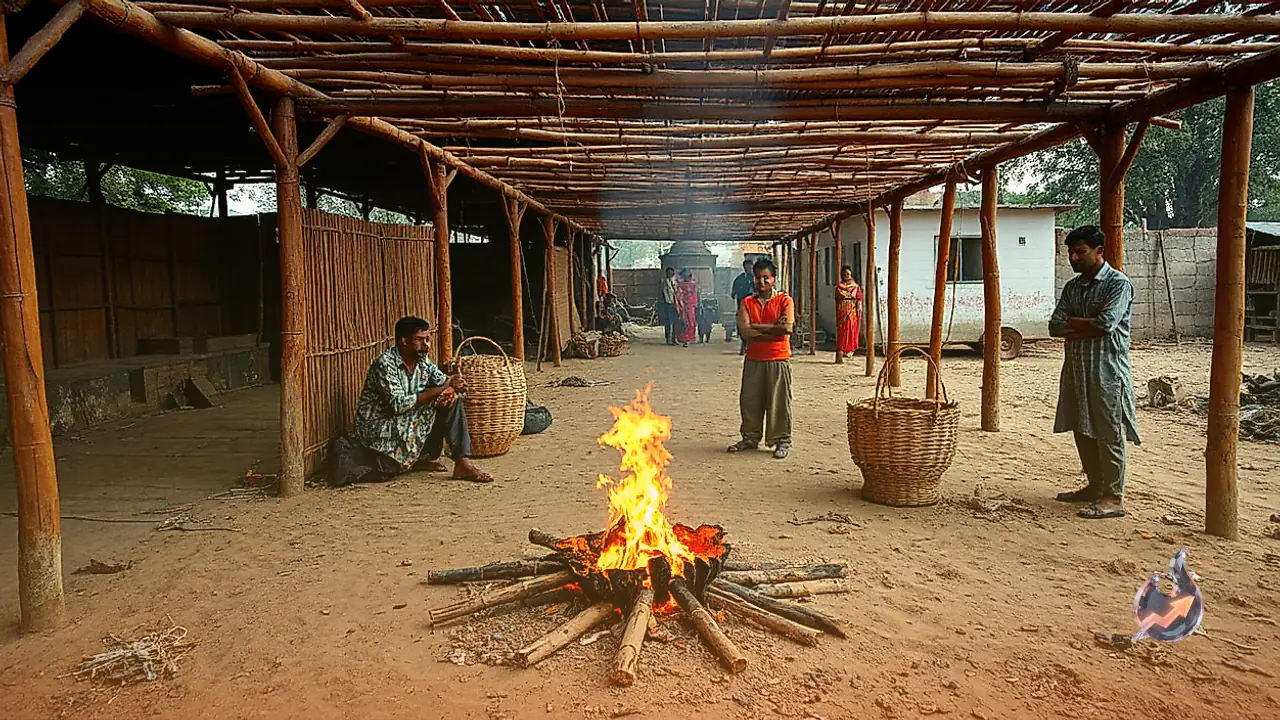
Another fascinating folk tradition observed on Jethouni Ekadashi involves taking worn-out bamboo baskets used in households and setting them on fire outside. According to folk beliefs, this ritual helps drive away negative energies and malevolent forces from the home. It is viewed symbolically as a way to bid farewell to outdated elements and welcome fresh positivity into one's life.
Special Feeding Practices for Farm Animals
In rural pockets, the day includes a specialized way of feeding livestock. Following the worship of the farm animals, they are served special meals prepared for the occasion. This custom pays homage to the indispensable role that animals play in agriculture and rural livelihood. Dr. Somnath Yadav notes that Jethouni Ekadashi in Chhattisgarh transcends a purely religious event, functioning instead as a vibrant celebration connecting nature, livestock, family, and deep-rooted folk culture.
Observed as a Minor Diwali Celebration
The festival of Jethouni Ekadashi is widely embraced as a mini Diwali across Chhattisgarh. By blending Tulsi weddings, traditional festive foods, livestock veneration, and ancient folk beliefs, the occasion binds rural and urban lifestyles together seamlessly. Even amid rapid modernization, the people of Chhattisgarh continue to uphold these enduring traditions with immense dedication and joy.