






















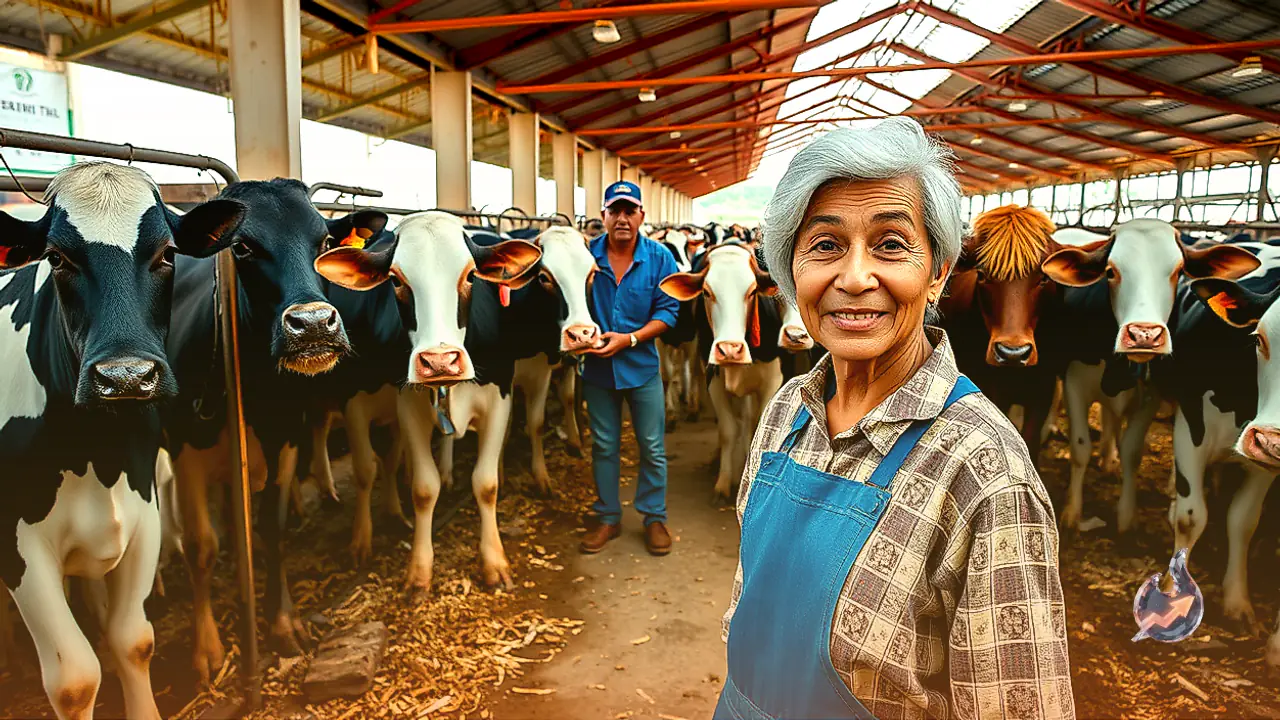

Dairy farmers frequently encounter a frustrating situation where a healthy, productive cow suddenly registers a sharp drop in daily milk yield. In many instances, keepers panic and hurriedly increase dry feed rations without diagnosing the root problem, which can upset the animal's digestion. A sudden drop in yield is rarely an isolated mystery; it usually points to nutritional shortfalls, lack of balanced rations, mineral depletion, or underlying health issues. By understanding the nutritional requirements of livestock and managing their daily care effectively, herd owners can successfully restore production levels.
The Critical Influence of Genetics and Breed
Veterinary specialists emphasize that genetic heritage serves as the primary ceiling for an animal's milk output. A cow possessing superior genetic traits has a higher probability of passing robust production potential to its progeny. However, feed adjustments alone cannot transform an inherently low-yielding animal into an abundant producer. Actual milk output in the shed remains a delicate balance between ancestral breed traits, daily feed quality, general health status, and systematic management.
For owners seeking to improve productivity across generations in lower-yielding indigenous stock, artificial insemination represents a proven and practical path forward. By utilizing semen from pedigreed bulls with verified genetic lineage, the resulting female calves can inherit substantially enhanced milking capabilities. Nevertheless, how many liters that calf will eventually yield as an adult cannot be strictly guaranteed, as proper growth-phase nourishment, clean housing, and disease management remain equally decisive.
Diagnosing the Underlying Causes Behind Lower Output
When an animal with a consistent milking track record suddenly falls short, identifying the primary trigger must take precedence over guesswork. Even high-performing native breeds like Sahiwal and Gir can suffer steep yield reductions if their dietary energy slips or if physical distress develops. Farmers must systematically evaluate the animal's feeding behavior, the current stage of its lactation cycle, stool consistency, and signs of udder discomfort. Seeking timely guidance from a qualified veterinary professional ensures accurate diagnosis and appropriate corrective protocols.
Balancing Grain Concentrates and Oil Cakes
Lactating animals require a carefully formulated concentrate mixture that aligns directly with their metabolic workload and production volume. Dietary rations must provide adequate quantities of crude protein and metabolizable energy to sustain lactation without depleting body reserves. Including quality components such as cottonseed cake and mustard oil cake supplies critical bypass proteins and essential fats needed for optimal milk synthesis.
Under standard feeding norms, concentrate distribution follows milk volume. As an illustration, a cow delivering 10 liters of milk daily typically requires between 4 to 5 kilograms of concentrated feed mixture, alongside additional feed allowances to support baseline bodily maintenance. The precise ration must ultimately be customized to the animal's physical body weight, lactation phase, and the nutritional value of accompanying dry roughage.
The Value of Green Forage: Berseem and Lucerne
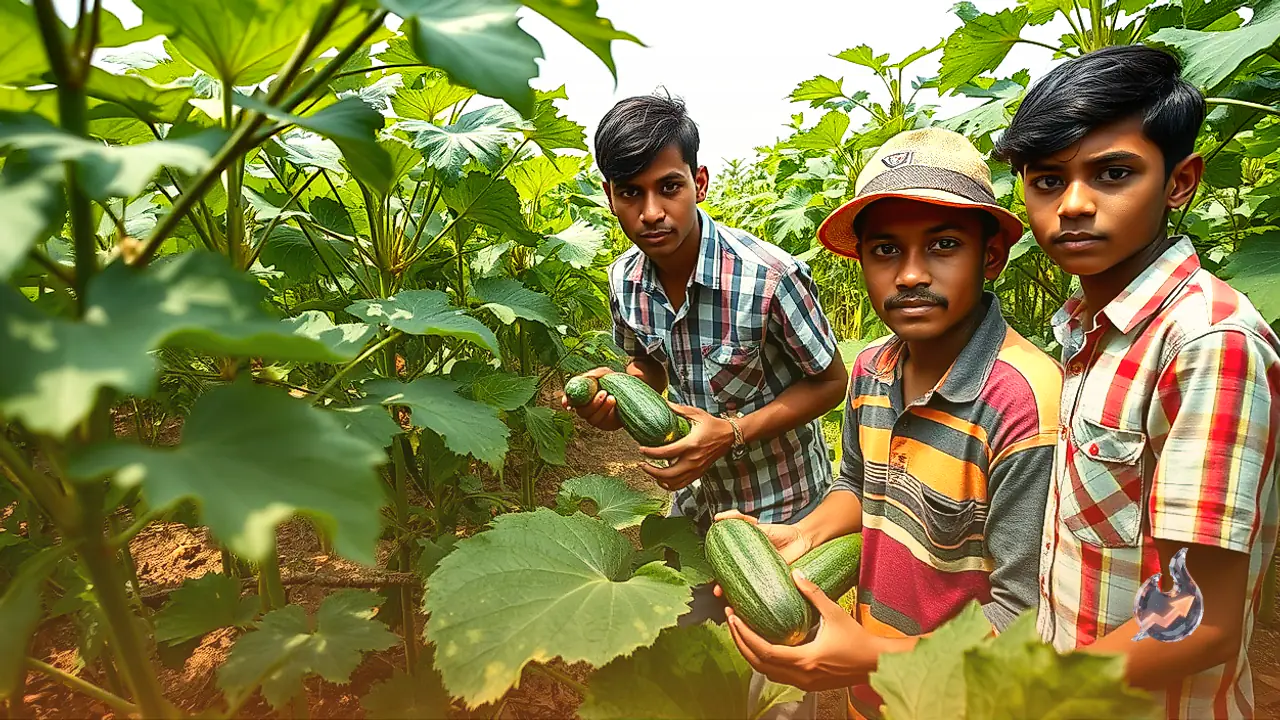
Relying exclusively on dry straw and commercial grain cakes inevitably compromises bovine metabolism over time. High-moisture green fodder is indispensable for maintaining healthy rumen microbes and sustained milk synthesis. Forage legumes such as berseem and lucerne, commonly referred to as alfalfa, rank among the most nutritious feedstuffs available for dairy livestock.
These leguminous forages deliver high levels of natural digestible protein, essential vitamins, and bioavailable minerals. Offering a steady combination of succulent greens and balanced grain concentrates guarantees that cattle receive complete nourishment. Livestock managers must ensure that feeding programs prioritize superior green forage rather than treating it as an optional luxury.
Addressing Calcium Deficits Through Clinical Guidance
High-yielding cattle transfer substantial volumes of vital minerals directly into milk each day, significantly elevating their metabolic demand for calcium. When oral intake fails to balance daily losses, blood calcium reserves plummet, causing immediate drops in milk output and risking systemic weakness or recumbency. Prompt replenishments are vital to protect the animal from severe metabolic disorders.
Mineral restoration can be achieved through oral ionic suspensions or clinical intravenous injections, depending on the severity of the deficit. Veterinary authorities caution against administering calcium injections independently without formal guidance. The appropriate dosage and method of delivery must always be decided by a trained practitioner following a thorough assessment of the animal's physical condition.
Sustained Herd Health Requires Regular Vigilance
Maintaining peak productivity across a herd demands continuous observation of feeding patterns and physical vigor. When milk levels decline unexpectedly, livestock keepers should resist the urge to merely pour more feed into the trough without an underlying diagnosis. Engaging a veterinary professional to examine the cattle, refining green fodder inputs like berseem and lucerne, and maintaining balanced oil cakes will ensure long-term animal well-being and consistent dairy performance.