





















While modern agriculture frequently relies on synthetic fertilisers and intensive chemical pesticides to maximise immediate harvests, an agricultural venture in Rajasthan is proving that sustainable methods can deliver commercial-scale output. In Amthala village of Sirohi district, the Tapovan complex run by Brahma Kumaris has completed around eight years of completely chemical-free, organic floriculture. The farm blends indigenous natural inputs with scientific water management to cultivate superior varieties of roses and marigolds.
California Experts Designed the Organic Rose Garden Layout
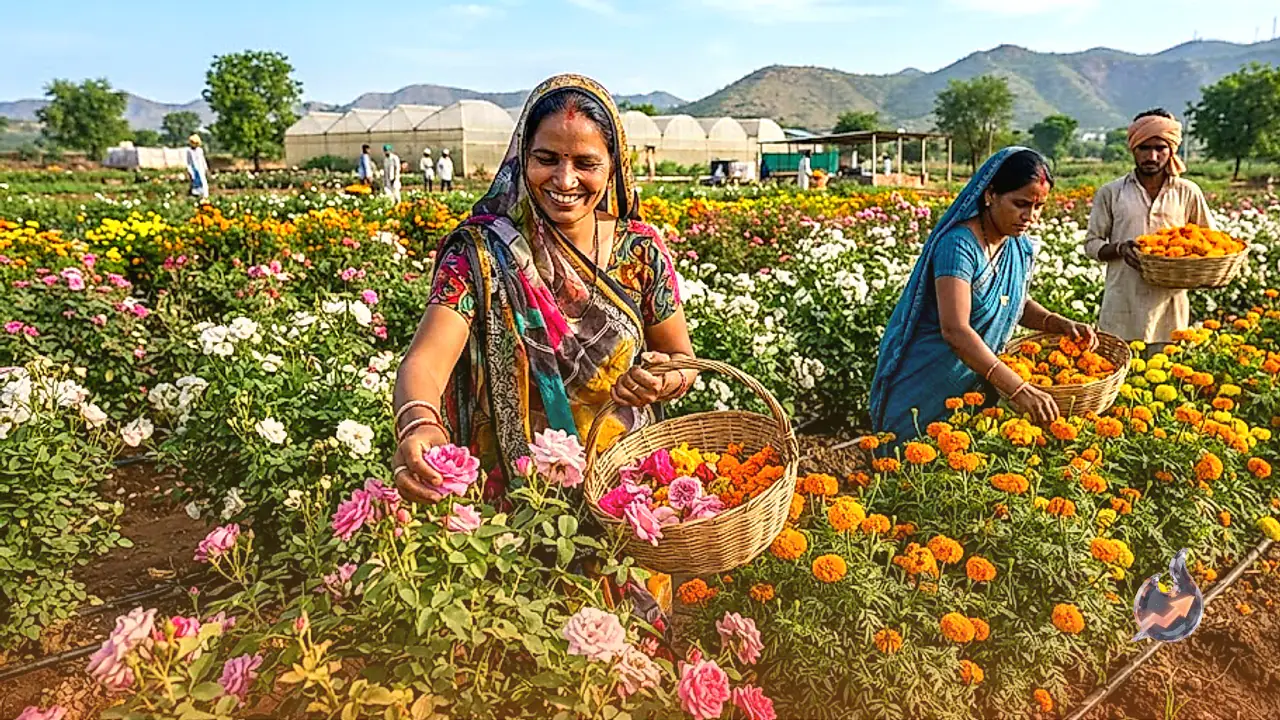
A central feature of the Tapovan agricultural initiative is a dedicated organic rose garden. The master layout and technical design of this garden were prepared in collaboration with agricultural specialists from California. Spanning roughly 1 to 1.5 bighas of land, the rose garden accommodates 13 distinct cultivars encompassing both domestic Indian breeds and imported foreign species. Each variety is grown under strict organic protocols that protect soil biodiversity while delivering abundant blossoming.
Jeevamrit, Neem and Cow Dung Replace Synthetic Inputs
Tapovan coordinator BK Sharat Bhai explained that no chemical fertiliser or laboratory pesticide enters these fields. Plant protection relies on on-farm preparations of Jeevamrit alongside formulations made from neem seed cake and neem oil, which effectively deter harmful insects and fungal pathogens. To sustain long-term soil vitality, the farm uses only organic manure derived from cow dung and cow urine. This balanced nutrient supply enhances petal firmness, fragrance, and pigmentation. Water conservation and weed suppression are maintained through plastic mulching and precision drip irrigation, delivering moisture and bio-nutrients directly to the root zones.
Mixed Farming Technique Integrates Vegetables with Tennis Ball Marigolds
Alongside roses, Tapovan cultivates marigolds across approximately two bighas using intercropping. The flowers are planted alongside various vegetable crops in a mixed farming model. This layout allows multiple crop types, including fruits, vegetables, and commercial flowers, to coexist in the same soil, dampening pest cycles and maximising land efficiency.
According to BK Sharat Bhai, the fields produce vibrant yellow tennis ball variety marigolds as well as bright orange blooms. The tennis ball variant yields dense, substantially larger flower heads than traditional local varieties. A crucial commercial advantage of this crop is its post-harvest longevity; once plucked, the flowers remain fresh for up to one full week without spoiling. Growers simply need to store the harvested petals away from direct sunlight in shaded surroundings. Drip irrigation remains the standard watering mechanism to prevent waterlogging and petal rot.
Daily Harvest of 1,000 Roses and 3 Tonnes of Marigold Yield
The farm records robust yields from its chemical-free acreage. The two-bigha marigold plot generates approximately three tonnes of harvest in a single crop cycle. Concurrently, the rose section produces between 800 and 1,000 fresh flowers every single day. Consistent market demand from religious places, weddings, festive banquets, and decorative venues ensures regular sales for the harvest.
Favourable Market Prices Deliver Strong Returns
The high post-harvest durability and appearance of these organic blooms fetch premium wholesale prices in regional markets. Marigold flowers are currently selling at wholesale rates of approximately 3,000 to 3,500 rupees per quintal. Fresh commercial roses command significantly higher valuations, trading between 12,000 and 14,000 rupees per quintal. By eliminating expensive chemical purchases and securing dependable yields, the Sirohi initiative demonstrates how natural farming methods can generate stable agricultural profits.