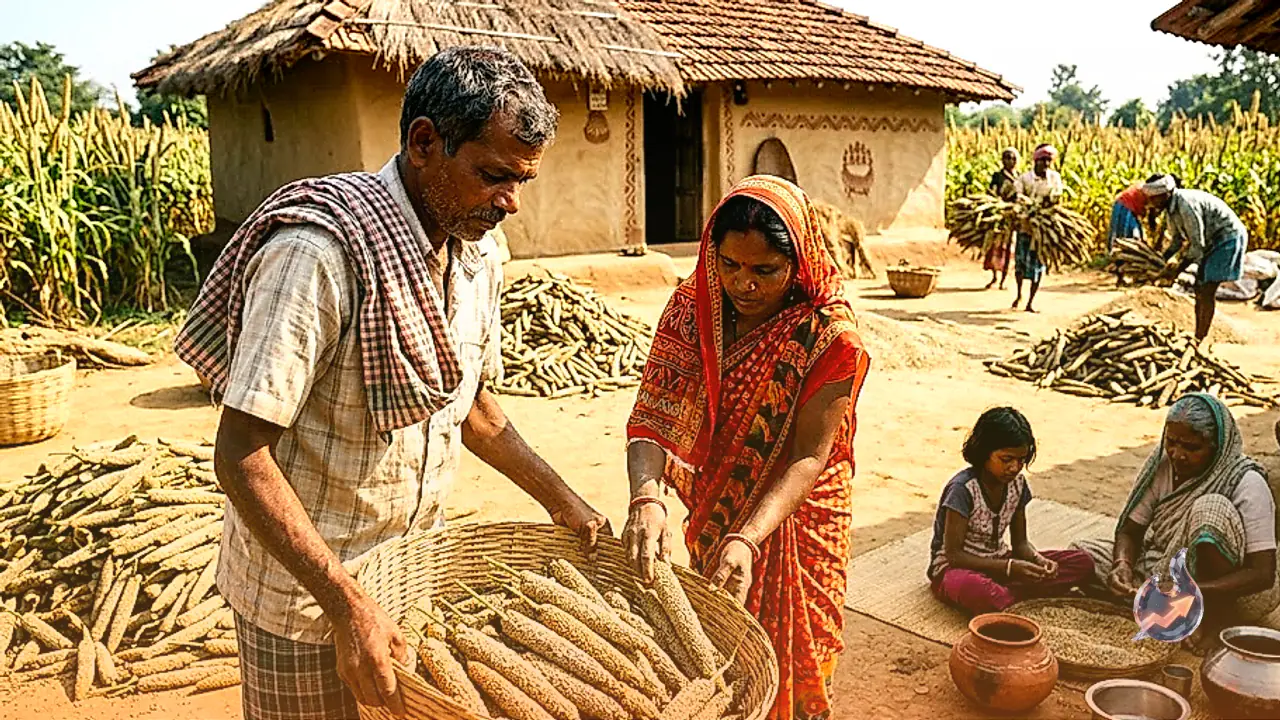






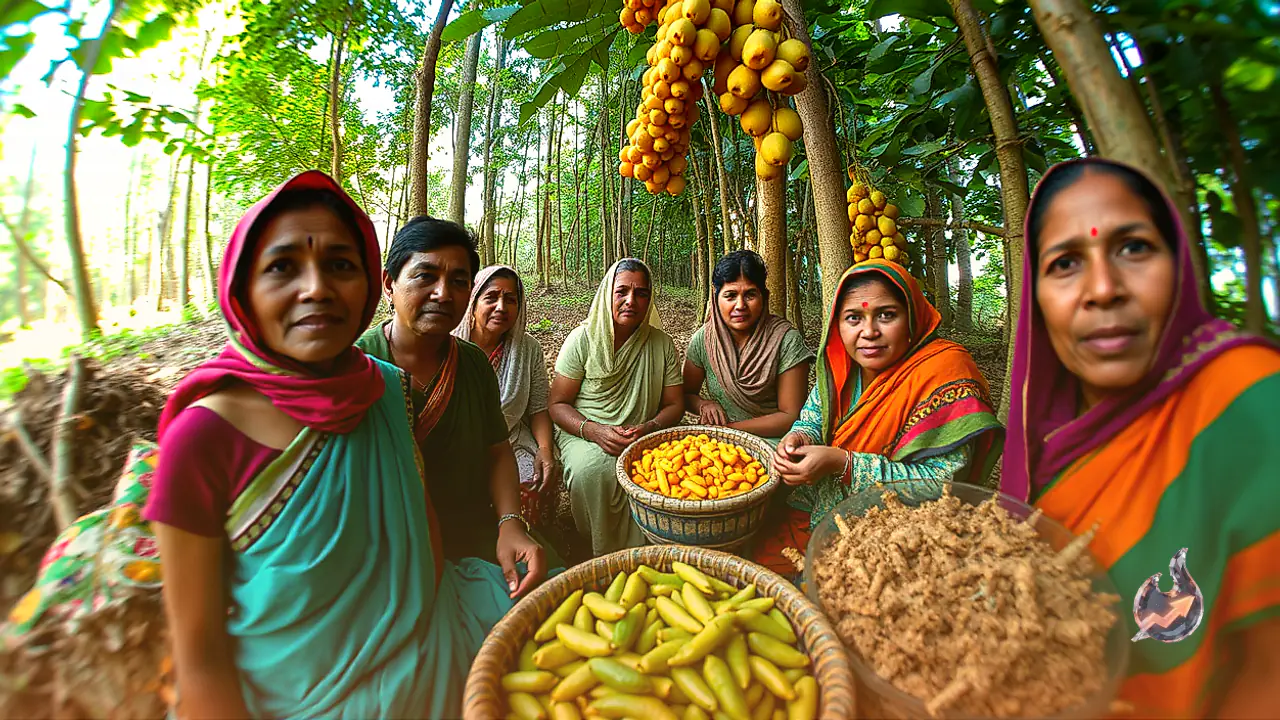














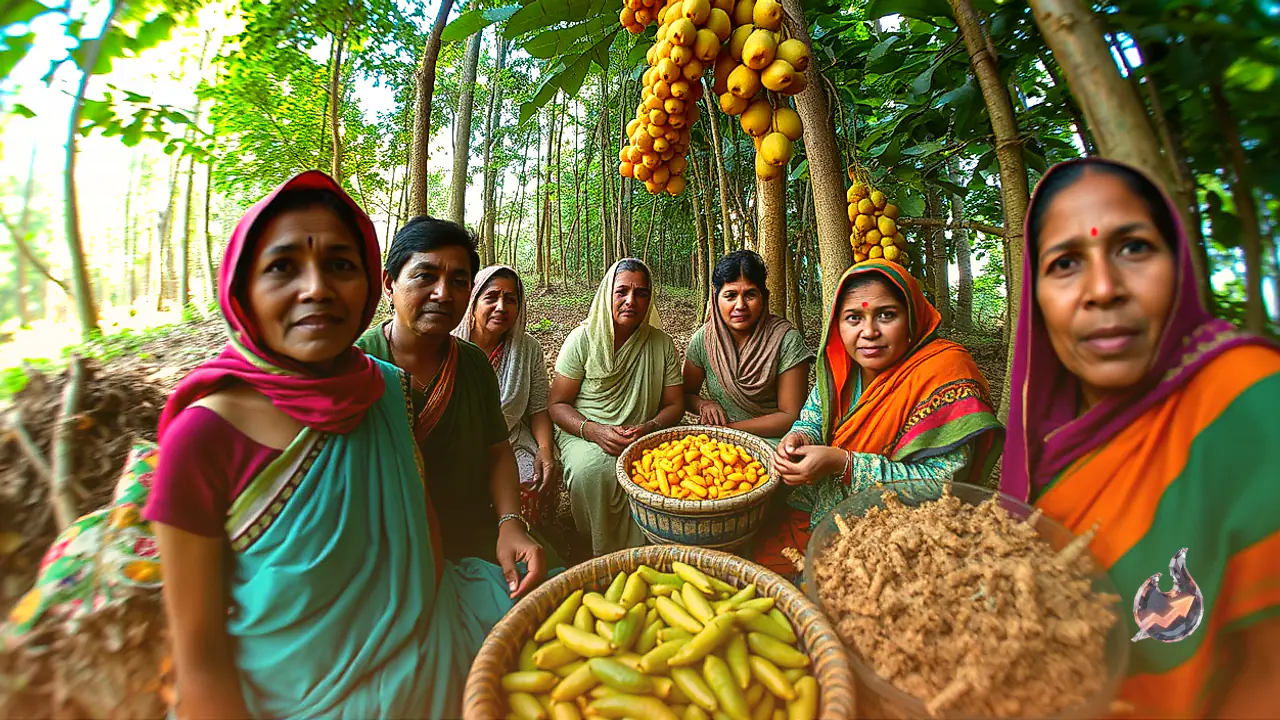

A rural processing initiative in the Balod district of Chhattisgarh is opening fresh economic avenues for village women by turning forest resources into market-ready delicacies. Operating out of the non-timber forest produce (NTFP) processing unit in Jhalmala, local women are engaged in processing wild harvests like tamarind and wild jujube (ber) collected from nearby woodland tracts and rural settlements. The defining advantage of this venture is that the workers bear zero financial liability or upfront equipment costs. They invest purely their time and artisanal labor to draw income. Currently, the primary focus at the facility revolves around producing savory tamarind pickles alongside tangy tamarind candies.
Hygiene Protocols and Traditional Recipe Formulation
The processing chain at the Jhalmala facility follows methodical steps centered on hygiene and quality control. Laxmi Uike, an active worker at the center, explained that raw tamarind and jujube gathered from Balod's forests and rural outskirts are first brought to the facility. Workers then subject the raw produce to rigorous sorting, filtering out spoiled batches, damaged seeds, and organic impurities. To make the tamarind pickle appealing to consumers, it is blended with mustard seeds, cumin, salt, mustard oil, and a balanced mix of aromatic spices. These homemakers oversee every stage of the recipe, ensuring strict cleanliness standards throughout the preparation.
Output-Based Remuneration Model
Earning structures at the unit are directly linked to the volume of finished goods each individual produces, ensuring a transparent compensation mechanism. For every single kilogram of tamarind pickle prepared, the participating woman earns 50 rupees. At present, a dedicated team of four women manages daily operations at the center. Because the workers are not required to arrange working capital or buy raw ingredients out of pocket, they receive direct financial returns proportional to their daily manual output without commercial risks.
Daily Output Volumes and Labor Demands
Processing wild forest tamarind into refined confectionery and pickles involves intensive manual labor. Kanchan Sahu, another key worker involved with the unit, stated that tamarind pickle crafting requires extensive effort and attention to detail. The process begins with cleaning raw pods, deseeding, and separating defective material before entering the standardized preservation phase. Through their collaborative efforts, the four women currently manufacture approximately 28 kilograms of tamarind pickle and around 17 kilograms of tamarind candy every single day.
Valorizing Local Resources for Economic Independence
The activities at the Jhalmala NTFP unit are providing supplemental household income for rural families in Balod. The workers have expressed satisfaction with earning predictable compensation tied directly to their hard work without bearing the burden of capital investment. Adding commercial value to raw non-timber forest produce ensures optimal utilization of local botanical wealth. Beyond providing financial stability to rural homemakers, the initiative creates practical channels to introduce regional forest goods into modern consumer markets under renewed retail forms.