




















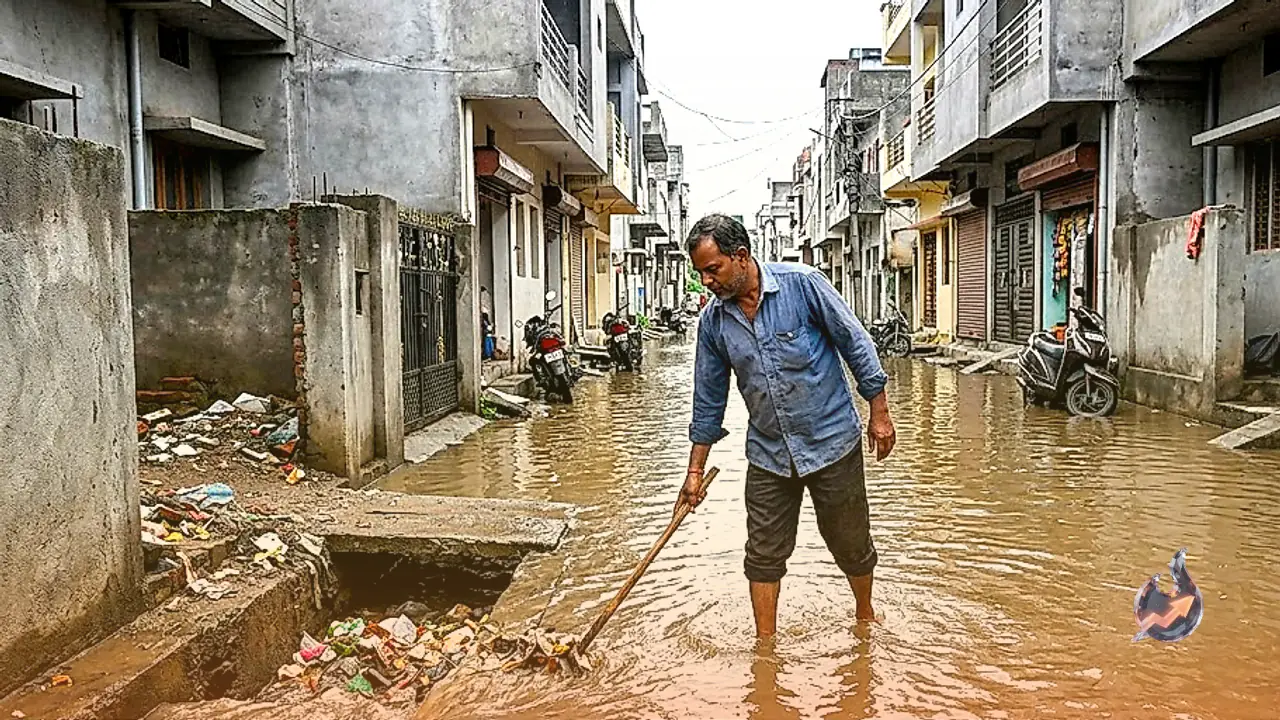

The heavy rainfall lashing Bilaspur is exposing a profound urban planning crisis that goes far beyond seasonal weather patterns. The city is currently grappling with severe waterlogging and flood-like conditions, but the real culprit is the drastic alteration of its natural geography over recent years. What residents are witnessing is the direct consequence of unchecked urban expansion and rampant illegal plotting that have completely choked the city's traditional drainage systems. The sheer volume of water currently trapped within residential boundaries highlights a systemic failure in preserving the area's ecological balance.
Disappearing Waterways and Urban Chaos
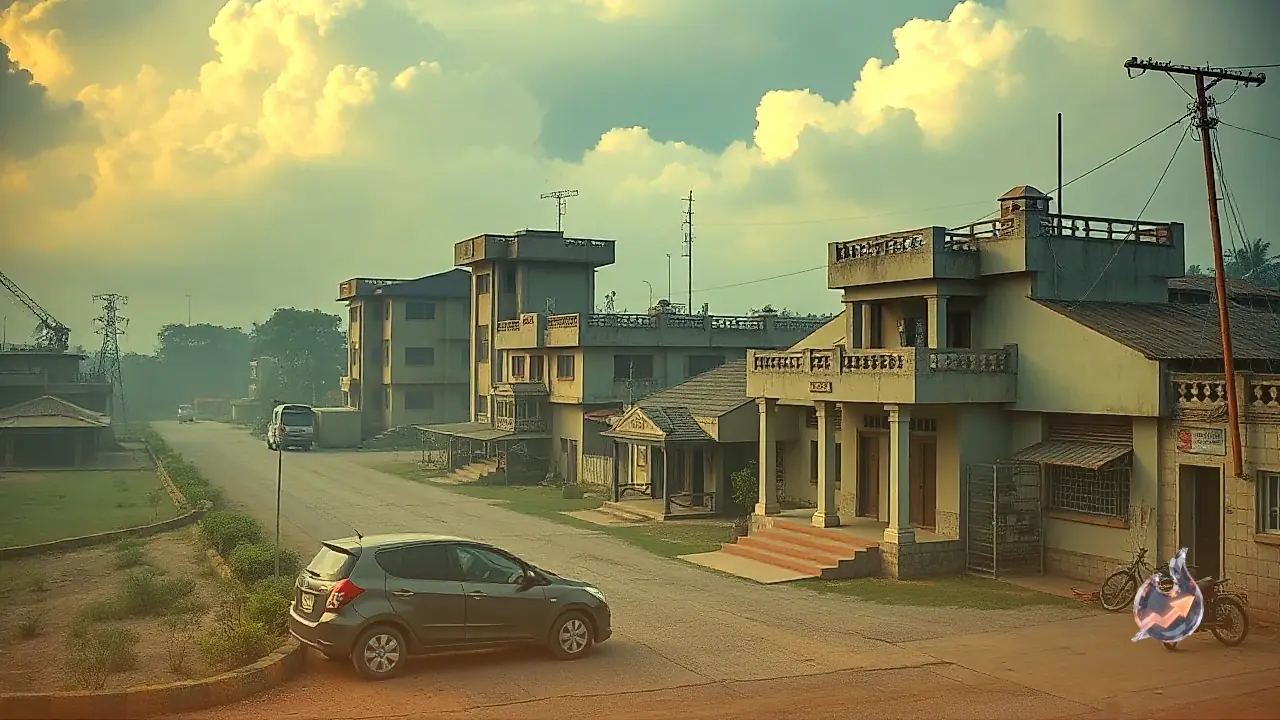
Across all 70 wards of the city, the fundamental landscape has been completely transformed by rapid construction. Areas that were historically defined by natural canals, traditional ponds, and wide drainage networks are now covered by newly constructed residential colonies and concrete structures. Because these crucial natural pathways for water have been systematically encroached upon, shrunken, or entirely filled in with soil to create real estate, the rainwater simply has nowhere to flow. The natural drainage capacity of the city has been severely compromised, forcing the accumulating surface water to aggressively spill over into streets, living spaces, and surrounding agricultural lands.
Widespread Destruction in Residential and Farming Areas
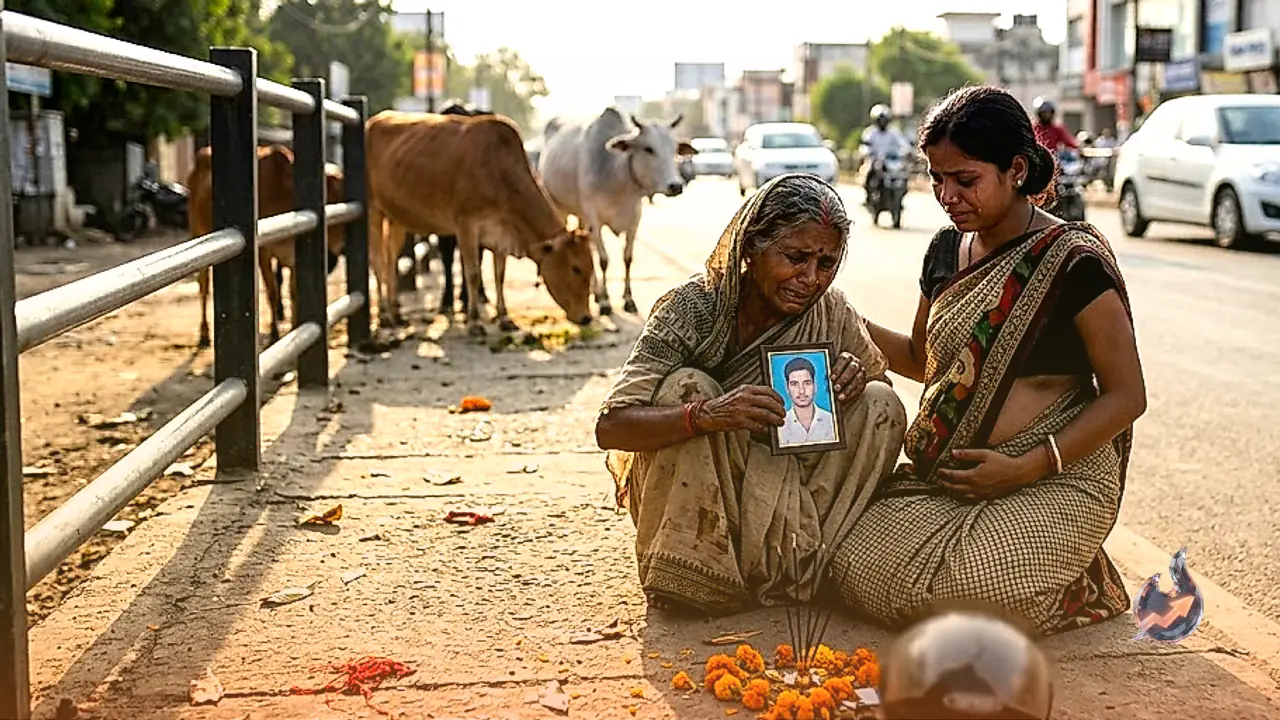
The devastating impact of this geographical shift is highly visible across multiple deeply affected neighborhoods. Specific localities including Koni, Bijour, Deorikhurd, Domuhani, and Khamtarai find themselves deeply submerged with almost every heavy downpour. Families are watching helplessly as floodwater enters their homes, causing significant distress, disrupting daily life, and bringing damage to their personal property. The devastation also extends far beyond the immediate city limits into the surrounding agricultural zones. Local farmers are seeing their standing crops completely ruined by the stagnant floodwaters, representing a massive blow to their seasonal income. Affected residents are loudly pointing out that the current crisis is a direct result of flawed urban planning and administrative negligence, rather than just the natural volume of the rainfall.
Municipal Corporation Prepares for Legal Action
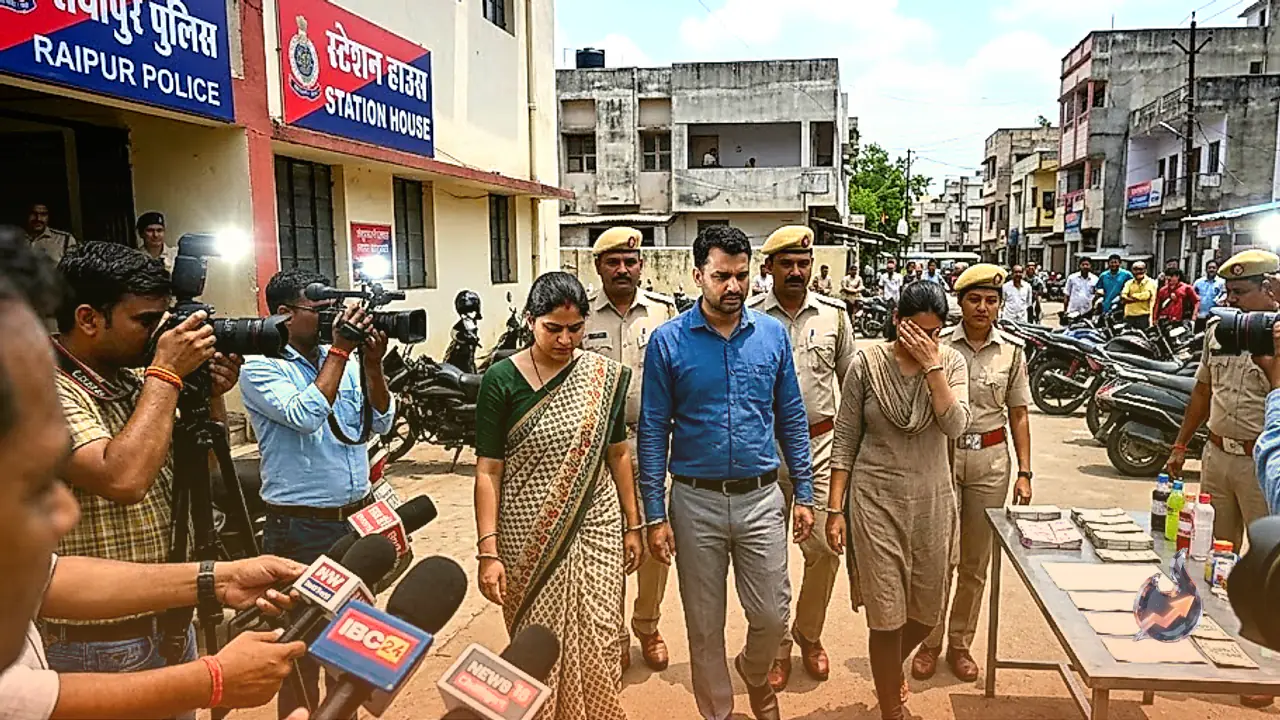
Acknowledging the immense severity of the ongoing situation, the Municipal Corporation has officially recognized that unplanned development and illegal real estate plotting are indeed the primary reasons behind the severe urban flooding. In response to the mounting public anger and undeniable destruction, the civic body is currently conducting a comprehensive survey to identify the specific colonizers and builders who have deliberately obstructed the natural waterways. Officials have explicitly stated that strict legal action will be initiated wherever clear violations of building and environmental rules are discovered during this review. Furthermore, the corporation asserts that it is actively working on formulating a permanent, long-term infrastructure solution to prevent such catastrophic waterlogging in future monsoon seasons.
A Looming Threat for Future Monsoons
The fundamentally altered geography has brought Bilaspur to a critical juncture where even normal rainfall quickly escalates into a widespread disaster. The current predicament raises serious concerns not just for this particular season, but for every upcoming monsoon in the foreseeable future. Unless the natural water channels are urgently restored and stringent regulatory measures are continuously enforced against illegal plotting, the city will continue to face this annual catastrophe. The ongoing cycle of urban flooding threatens to wash away the hard work, savings, and dreams of local residents, along with the critical harvests of the region's farmers, year after year if corrective action is delayed.