





















First Rural Fecal Sludge Treatment Plant Starts Operations in Keshavpur to Service 123 Villages Across SurgujaChhattisgarh
14 Aug 2026, 10:07 pm (1 hour ago)· 1

First Rural Fecal Sludge Treatment Plant Starts Operations in Keshavpur to Service 123 Villages Across Surguja

Chhattisgarh's Surguja district has launched its first rural Fecal Sludge Treatment Plant in Keshavpur village, providing mechanized septic cleaning to 123 villages.

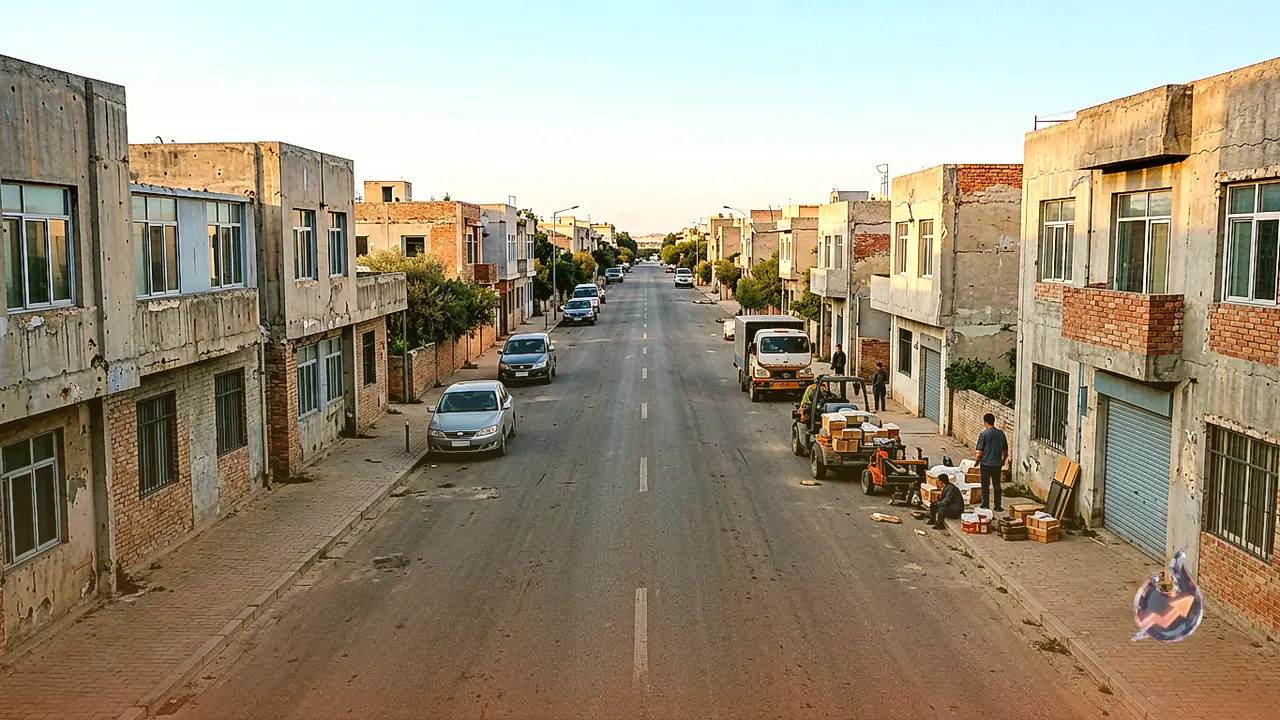
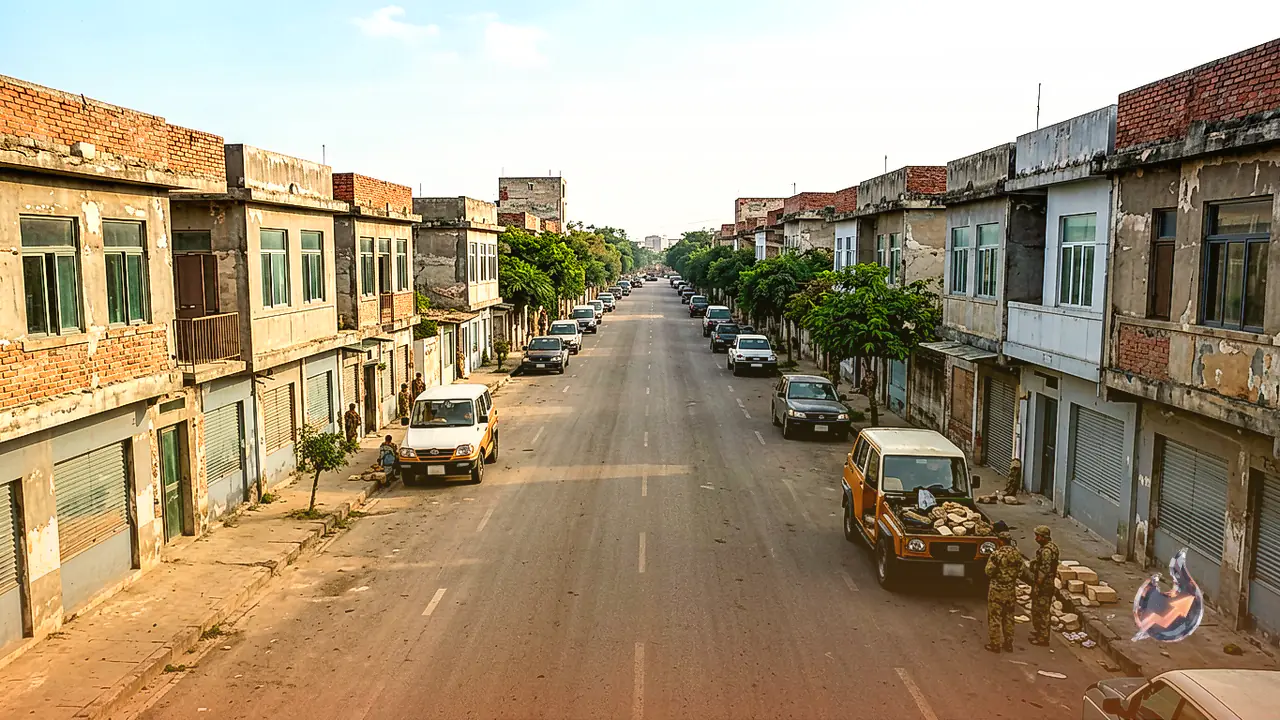
A major advancement in rural sanitation infrastructure has been launched in the Surguja district of Chhattisgarh under the Swachh Bharat Mission. The region's very first rural Fecal Sludge Treatment Plant (FSTP) has commenced operations at Keshavpur village, located within the Ambikapur block. This initiative introduces a safe and scientific mechanism for managing septic tank waste in countryside communities, bridging a long-standing infrastructure gap between urban and rural areas.

Bridging the Urban-Rural Sanitation Divide

Historically, mechanized fecal sludge treatment facilities were restricted to municipal corporations and city centres, leaving village households without structured options for emptying septic tanks. The establishment of the new unit in Surguja marks a pivotal shift toward expanding municipal-grade hygiene standards into rural belts. By creating localized processing infrastructure, the project aims to eradicate unscientific waste handling and mitigate associated health hazards.

Also read

Coverage Across 123 Villages and SECL Support

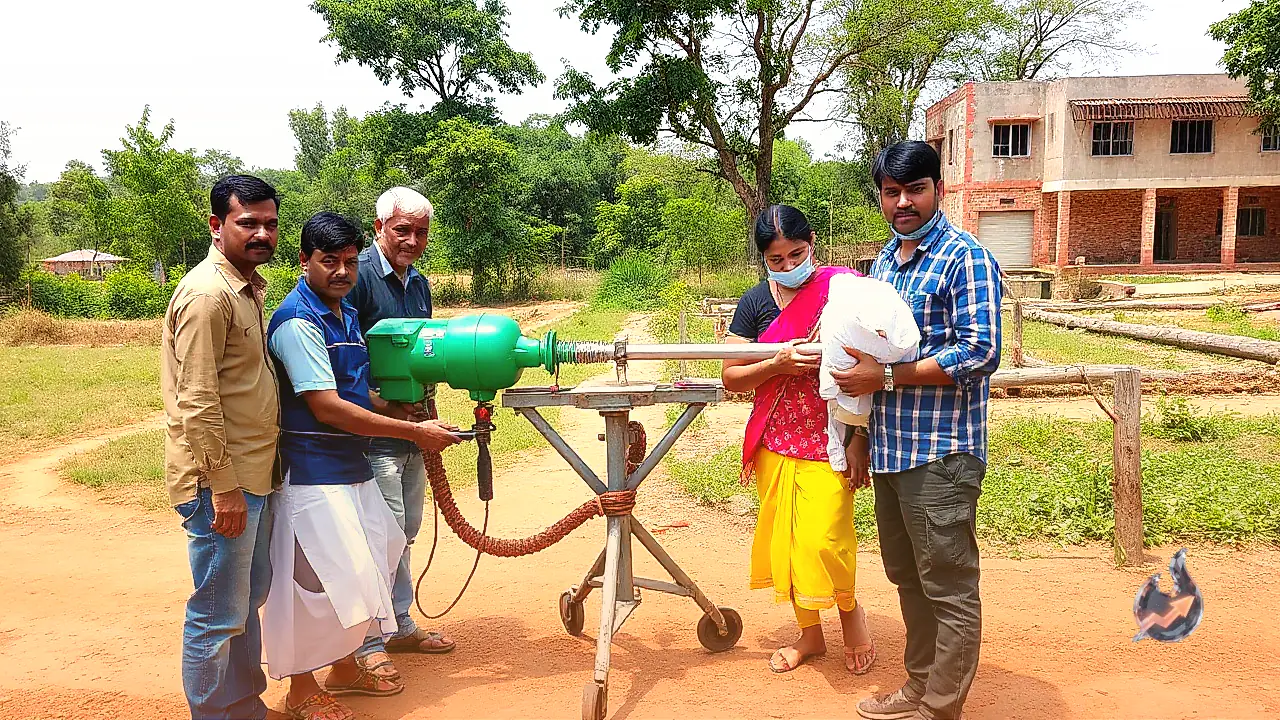
To ensure seamless operational logistics, the Zila Panchayat has officially dispatched a dedicated de-sludging vehicle to the Keshavpur Gram Panchayat. The acquisition of this essential machinery was facilitated through financial and logistics cooperation from SECL. Under the initial phase, the service is scheduled to clear septic tanks across 123 villages within the district. Furthermore, the administration has structured the facility to extend de-sludging services to adjacent janpads whenever formal requests or applications are submitted.

Resource Recovery and Community Response

Outlining the vision behind the initiative, Zila Panchayat Chief Executive Officer (CEO) Vinay Aggarwal stated, "This FSTP plant in Keshavpur has been established to take the resolution of Swachh Bharat to every village." He elaborated that following the procurement of the de-sludging tanker via SECL support, the facility will process collected sludge and subsequently convert treated waste into organic compost for agricultural use.

Local resident Nirupa Singh shared her optimism regarding the project's impact, noting that launching such a modern hygiene installation in their village will deliver immense convenience to residents in the coming days and substantially enhance overall living standards.


Questions & Answers

Where has the FSTP plant been established?
The plant has been established in Keshavpur village, located within the Ambikapur block of Surguja district in Chhattisgarh.
How many villages will benefit from this facility?
In the initial phase, 123 villages across Surguja district will benefit from this treatment plant.
How was the de-sludging vehicle acquired for the plant?
The Zila Panchayat procured and handed over the de-sludging vehicle to the Gram Panchayat with support from SECL.
What will be done with the waste collected at the treatment plant?
The fecal sludge will undergo scientific treatment at the plant, with plans to convert processed waste into organic compost.
Will nearby janpads also be able to access these services?
Yes, de-sludging facilities can be provided to adjacent janpads upon receiving formal requests or applications.

Comments 2

Rohan Verma@rohan-verma·35m ago

The launch of this rural Fecal Sludge Treatment Plant in Keshavpur to service 123 villages marks a significant milestone in grassroots sanitation and administrative governance. By leveraging SECL support for de-sludging logistics and integrating scientific waste treatment with organic compost production under the Swachh Bharat Mission, this Surguja initiative addresses a critical infrastructure gap. If scaled efficiently, this model could serve as a robust blueprint for rural waste management across other regions grappling with unscientific disposal methods.

Karan Malhotra@karan-malhotra·35m ago

This administrative step extends far beyond basic sanitation, directly mitigating public health risks and infectious disease vectors associated with unscientific human waste disposal. The successful execution of the Keshavpur plant and its SECL-backed de-sludging model covering 123 villages will not only transform rural hygiene, but also empower the district administration to enforce strict environmental compliance and pollution control standards.

Citizen journalism

Become a TrendKia journalist

Voice of the people

Share news, photos and videos from your area with TrendKia and let your voice reach the nation. Every citizen a journalist.

Join now
CH 01 LIVE
TrendKia TV ON AIR