






















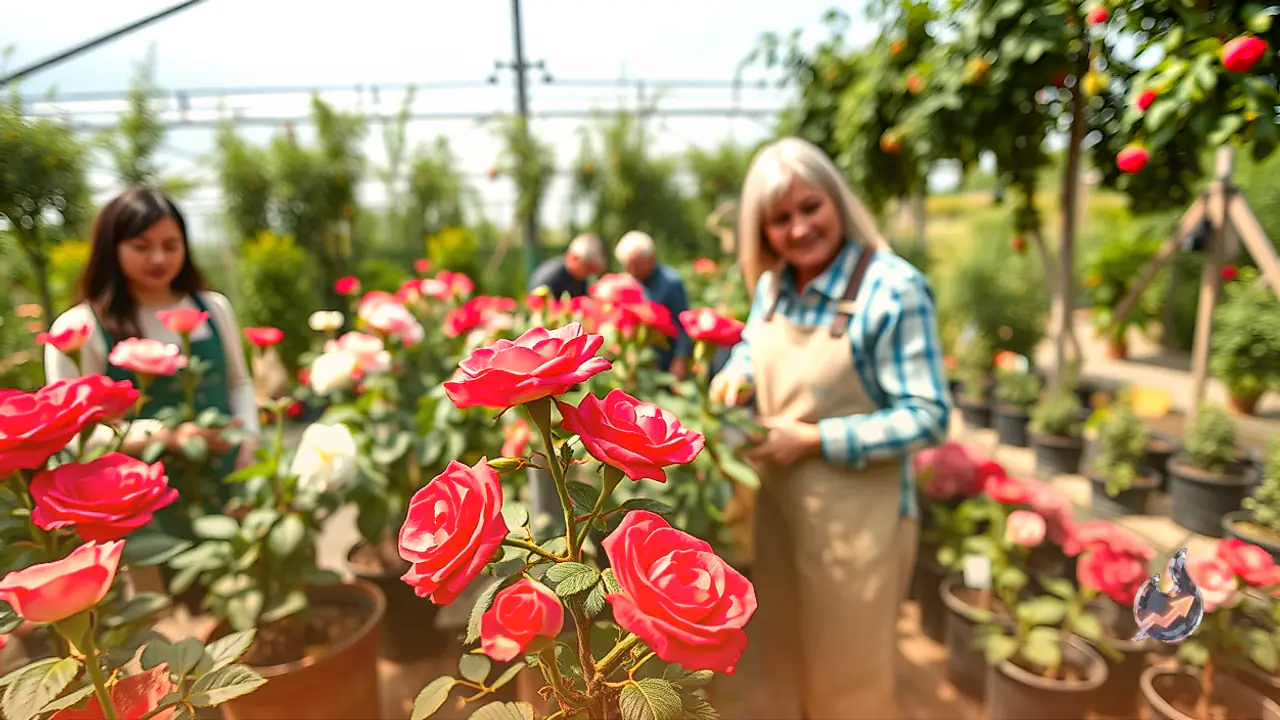

Rose plants remain a classic centerpiece for home gardeners across India. In the Surguja district of Chhattisgarh, favorable agro-climatic conditions allow a wide variety of flowers to flourish. According to Surguja-based agriculture specialist Rakesh Rajwade, growing container roses successfully depends heavily on selecting the correct variety, providing an adequately sized pot, and planting at the right time of year. Rajwade points out that October and November provide the ideal seasonal window to plant container roses, as the moderate climate gives the young plant the necessary conditions to establish its root network. With balanced, timely fertilizer applications, these plants can easily survive even intense winter cold.
Selecting the Best Rose Varieties for Pots
Rose varieties fall into several distinct horticultural categories, and choosing types suited to container growth prevents future issues. Miniature roses, floribundas, and hybrid teas serve as the top choices for container gardening. Miniature roses remain compact in stature, making them effortless to manage in pots; cultivars like Baby Darling and Sandra are especially well-suited for this purpose. Hybrid teas, on the other hand, produce a single large, fragrant, and visually striking flower per stem. Floribunda roses carry slightly smaller blossoms than hybrid teas, yet their profuse flowering pattern makes them equally appealing choices for container arrangements.
Pot Sizing and Essential Drainage Arrangements
A pot measuring 12 to 16 inches in diameter provides sufficient room for root development. The container must feature a functional drainage hole at the base. If water fails to escape freely, soil waterlogging occurs, putting the delicate root system at risk of rot. To prevent the drainage aperture from clogging, place a piece of broken earthen pot or clay tile over the opening before pouring in the soil. This arrangement permits excess irrigation water to seep out smoothly without washing away the potting soil or blocking the outlet.
Preparing the Ideal Soil Mix
The planting substrate for container roses must offer both moisture retention and aeration. Specialist recommendations call for a mix containing 30% well-decomposed cow dung manure or vermicompost. Cocopeat and sand are also integrated into the blend. Cocopeat plays a crucial role in holding baseline moisture within the root zone, while coarse sand ensures that excess water drains away freely and maintains sufficient air circulation within the root substrate.
Protecting the Root Ball During Repotting
When purchasing a sapling from a nursery, gardeners should avoid disturbing the soil packed around its root structure. The plastic bag enclosing the plant must be removed gently, keeping the root ball completely intact before settling it into the prepared container. Agitating or exposing bare roots causes severe transplant shock, making it far harder for the sapling to establish itself in the new pot.
Positioning the Graft Union Correctly
One of the most critical steps during the planting process involves positioning the grafted joint. The graft union must never be buried beneath the soil. It should sit comfortably about one to two inches above the soil surface. Submerging the graft below ground level restricts proper development and can cause the plant to struggle or fail to produce strong stems.
Irrigation Techniques and Avoiding Waterlogging
Right after planting, give the container a generous soaking of water to settle the soil around the roots. Subsequent watering intervals must be tailored to weather conditions and ambient soil moisture. During winter, watering every one to two days generally suffices, while warmer summer weather accelerates soil drying and calls for more frequent applications. Rather than judging moisture from the dry surface crust, inspect the soil one to two inches deep. Add water only if the soil feels dry at that depth. If water stagnates on top and fails to drain through the bottom opening, act immediately by removing a portion of the soil and unclogging the drainage route to prevent root destruction.