



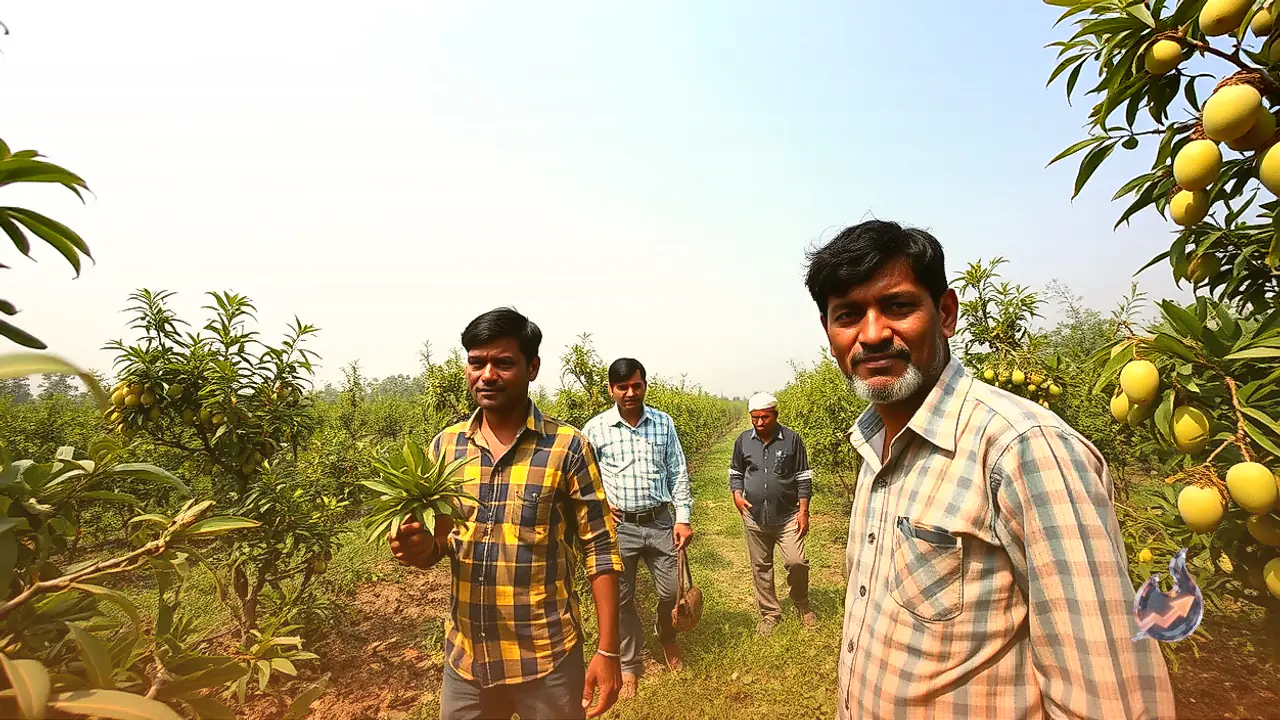


















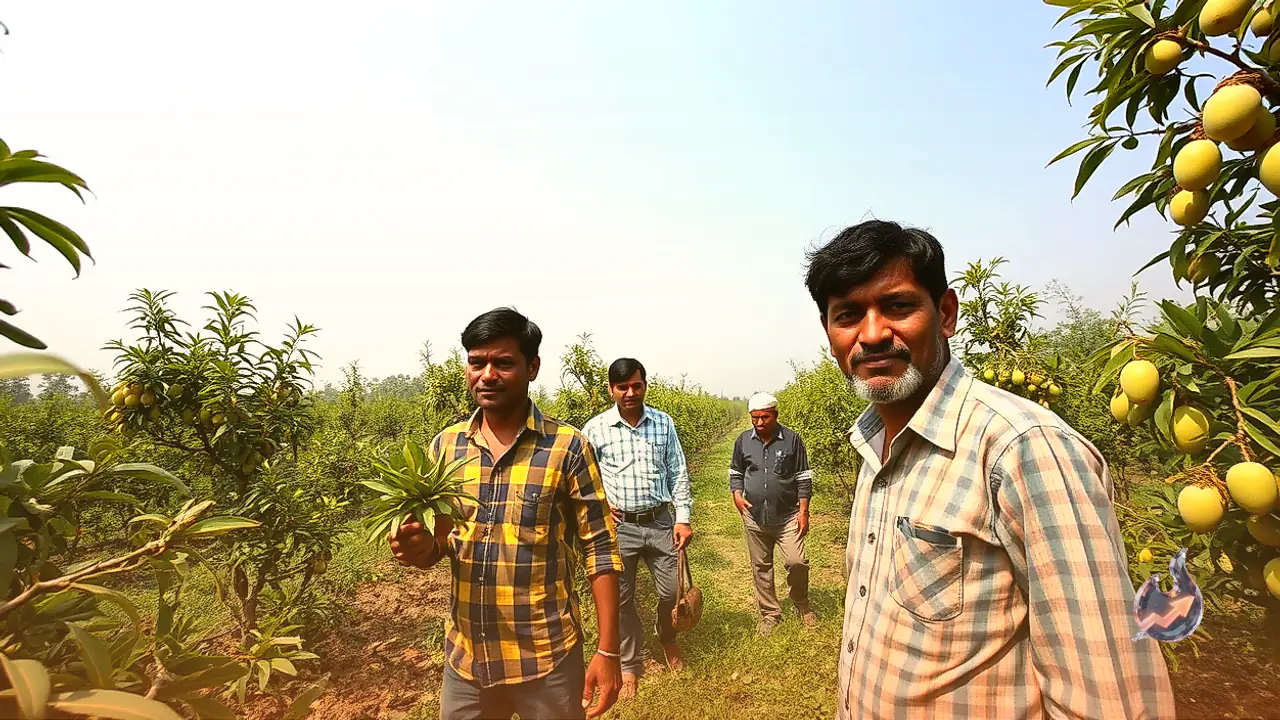

Growers are discovering that establishing commercial mango orchards alongside conventional farming can open up lucrative income opportunities. Across Bhagalpur, an increasing number of agriculturists are turning toward orchard management to diversify their earnings. Planting young saplings in the prevailing weather condition helps their root systems anchor securely into the soil. As winter recedes and temperatures rise around March, the vegetative growth of these plants accelerates significantly. Setting up an orchard requires strategic planning, and selecting the most profitable cultivar stands out as the most vital decision. Varieties like Jardalu, Hem Sagar, and Malda present distinctive commercial advantages depending on harvesting schedules and consumer appetite.
Why Current Planting Conditions Benefit Orchard Establishment
Ashok Choudhary, widely recognized across Bihar as Mango Man, explains that starting orchard work in this period provides distinct physiological benefits to saplings. Stable environmental conditions allow root networks to establish firm contact with the ground. Subsequently, the warming climate in March triggers rapid foliage and stem development. However, establishing a commercial orchard extends well beyond digging holes and planting saplings. Growers must conduct soil testing, maintain standardized spacing, and set up dependable irrigation along with scheduled nutrient enrichment. Because different varieties do not command identical retail values or wholesale demand, selecting the right cultivar determines final revenue.
Jardalu Mango: The Pride of Bhagalpur and Its Market Dynamics
Jardalu mango remains synonymous with Bhagalpur, and agriculturalists throughout the district are setting up dedicated orchards for this cultivar. The variety is celebrated for its lingering aroma, delicate flavor, and easy digestibility, which create sustained demand across produce markets. According to Ashok Choudhary, wholesale and retail transactions for Jardalu typically range between ₹60 and ₹80 per kilogram. This rate fluctuates according to seasonal availability, fruit grading, local market arrivals, and prevailing consumer demand.
Commercial Scope for Hem Sagar and Malda Cultivars
For growers evaluating alternatives beyond Jardalu, Hem Sagar presents a promising avenue. Because Hem Sagar matures relatively late in the season, it enters markets when supply from early-ripening varieties begins to taper off. This off-peak arrival frequently translates to competitive pricing and strong profit margins. Malda represents another widely favored choice among cultivators. Highly regarded for its rich pulp and exceptional texture, Malda commands substantial consumer demand not only within Bihar but also across regional markets nationwide.
Agronomic Practices That Determine Orchard Profitability
Maximizing financial yields from fruit farming requires thorough orchard husbandry in addition to selecting high-grade cultivars. Soil fertility management, effective field drainage, precise tree spacing, and balanced irrigation schedules dictate long-term health. Furthermore, cultivators must implement systematic fertilizer application, rigorous pest and pathogen surveillance, and seasonal canopy pruning. Combining high-demand cultivars with meticulous field upkeep guarantees superior fruit quality and reliable harvest volumes.