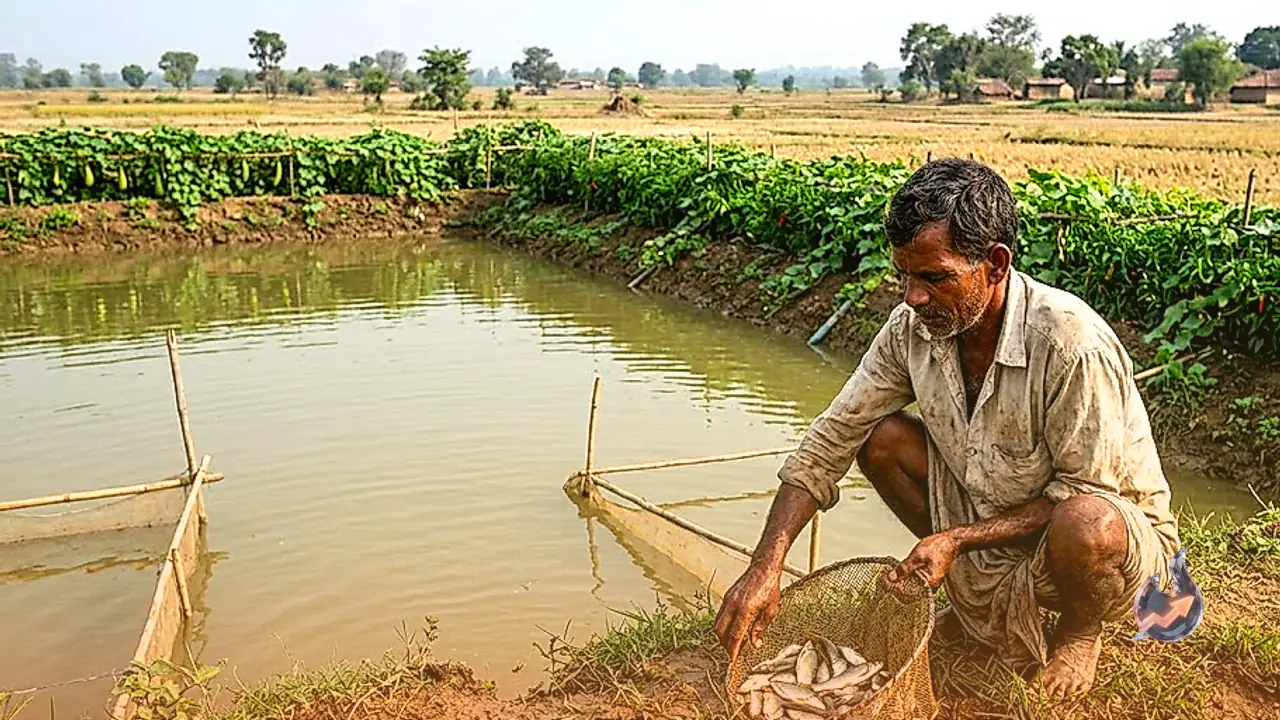






















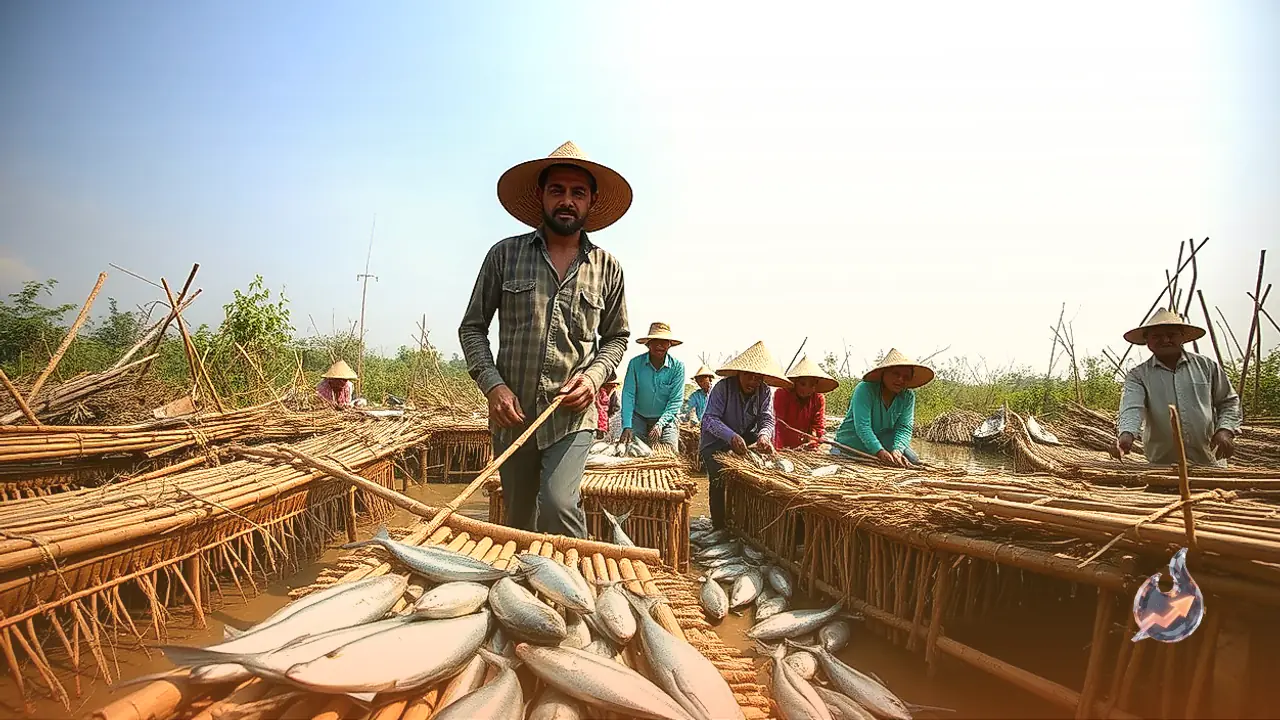

With the arrival of the monsoon season in the Bastar region of Chhattisgarh, local villagers begin assembling their indigenous fishing trap known as dandar. For generations, the community has relied on this traditional method to harvest freshwater fish directly from agricultural lands. Rather than depending on commercially manufactured nets or equipment sold in shops, residents craft these functional tools themselves using locally available resources.
Design and Construction from Dried Bamboo
The dandar features a cylindrical and elongated design engineered specifically to allow water to flow through freely while trapping moving fish. Dried bamboo serves as the primary raw material for this trap. As local resident Sonsai explained, crafting the device requires cutting bamboo into small pieces and weaving them together, meaning the financial cost involved is minimal. When constructed steadily over spare intervals, completing a single dandar takes around four to five days of manual labor.
A Five-Year Lifespan Built on Generational Knowledge
A notable feature of the dried-bamboo structure is its impressive durability. Once constructed, a single dandar lasts for approximately five years before needing replacement. Crafting and setting these traps is a traditional craft passed down within households. Sonsai shared that he learned the technique of constructing and placing the dandar directly from his family members, continuing an enduring local tradition.
Monsoon Placement Across Agricultural Fields
Villagers deploy the dandar exclusively during the rainy season when seasonal water flows across farmlands. The trap is positioned along the upper ridges of farming plots where runoff flows from one terrace to another. As accumulated rainwater drains outward into adjacent fields, the excess water filters through the bamboo slats while the fish remain trapped inside the enclosure.