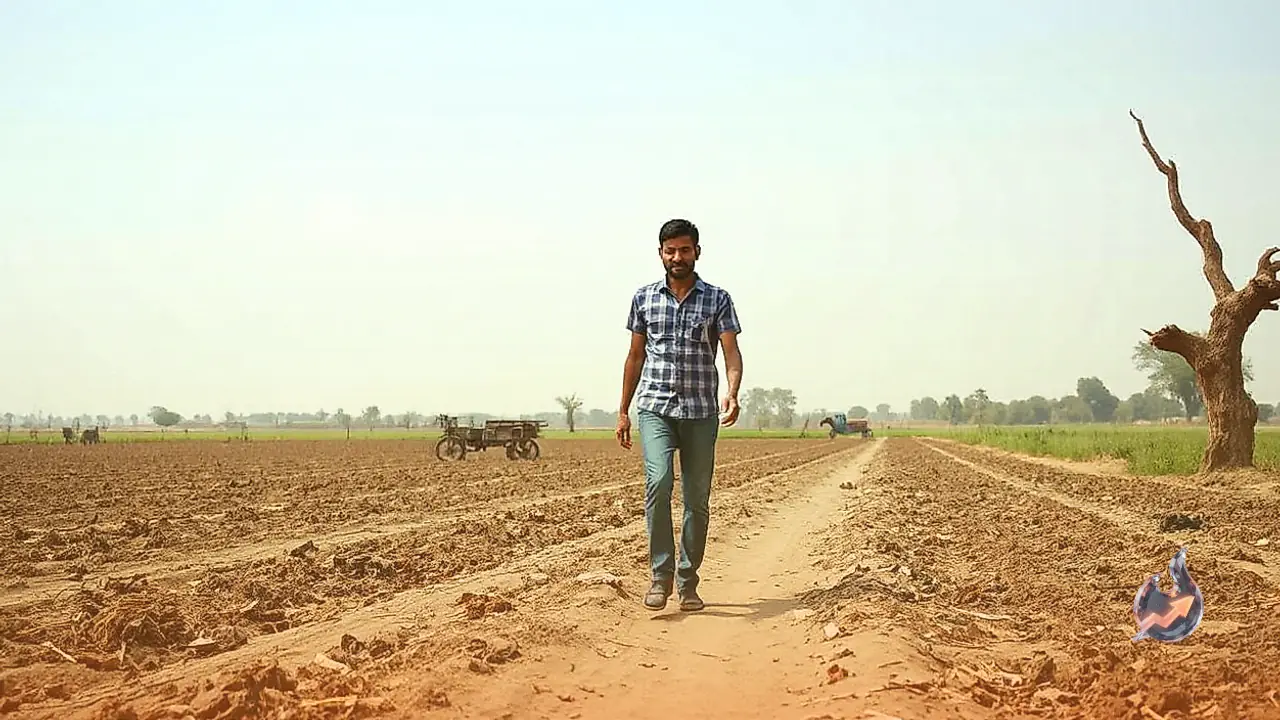
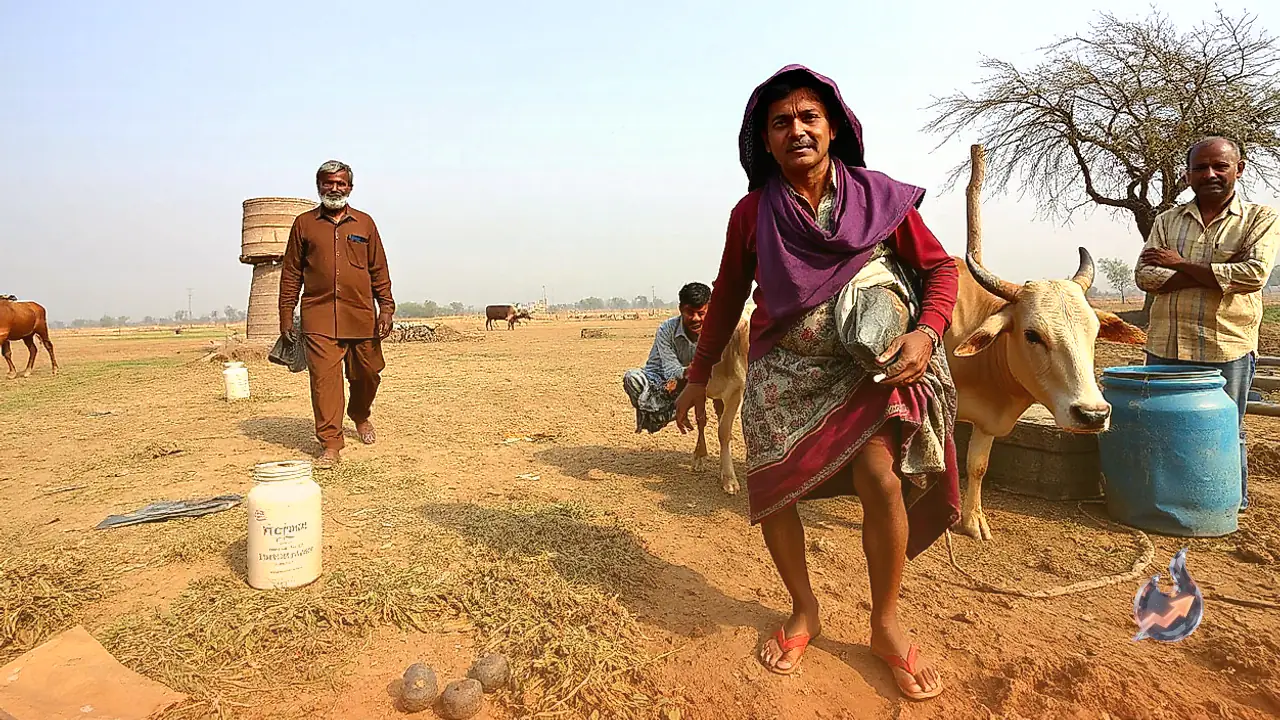

















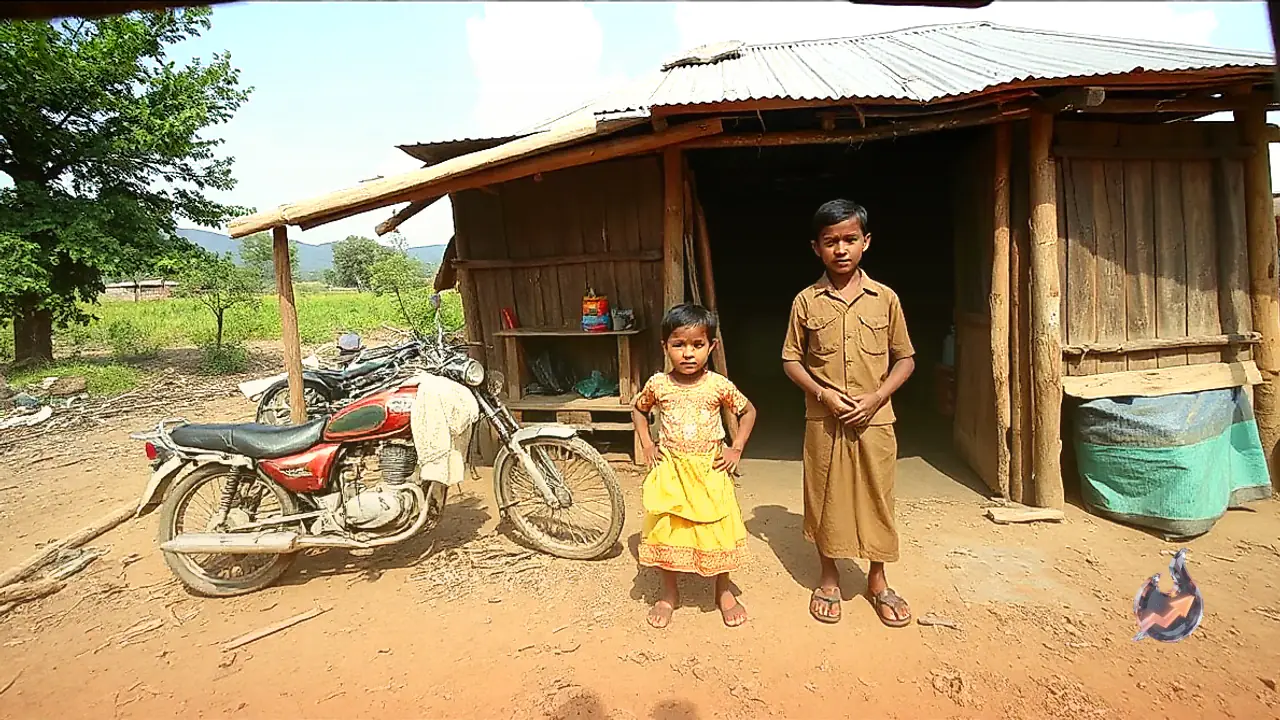

Located about 35 kilometers away from Ambikapur, the headquarters of the Surguja division in Chhattisgarh, the Gandher settlement is home to a family that faces severe hardships despite holding a special tribal status. Belonging to the Pahari Korwa community, who are referred to as the adopted sons of the President, this family is spending their lives in a makeshift house even in the twenty-first century. Due to a lack of formal education and awareness, their grievances are frequently ignored, depriving them of the full benefits of the Janman scheme. While the government runs initiatives to provide roads, electricity, water, and housing in tribal regions, Bifan Korwa is still waiting to receive a permanent house.
A Makeshift Shelter Built From Wood and Mud
Bifan Korwa constructed his dwelling by cutting pieces of wood of various sizes and coating them with mud. This improvised shelter has been standing for roughly 30 to 35 years, yet the family has never managed to secure a proper concrete home. Ground inspections reveal holes in the walls and the roof, leaving the household vulnerable despite makeshift coverings. Situated near a forested area, the family constantly faces the threat of venomous snakes, scorpions, and wild animals. Family members sleep on mats spread directly on the floor and continue to cook meals over traditional mud hearths, lacking even a basic gas stove.
The family states that they belong to a particularly vulnerable tribal group, yet they have received no assistance under the Janman housing initiative. Although they repeatedly appealed to local authorities and responsible officials in the hope of getting a proper home, their wait has yielded no results. They are urgently requesting an official review of their living conditions so they can obtain a government-backed house and live safely and with dignity.
Severe Hardstorms During the Monsoon Season
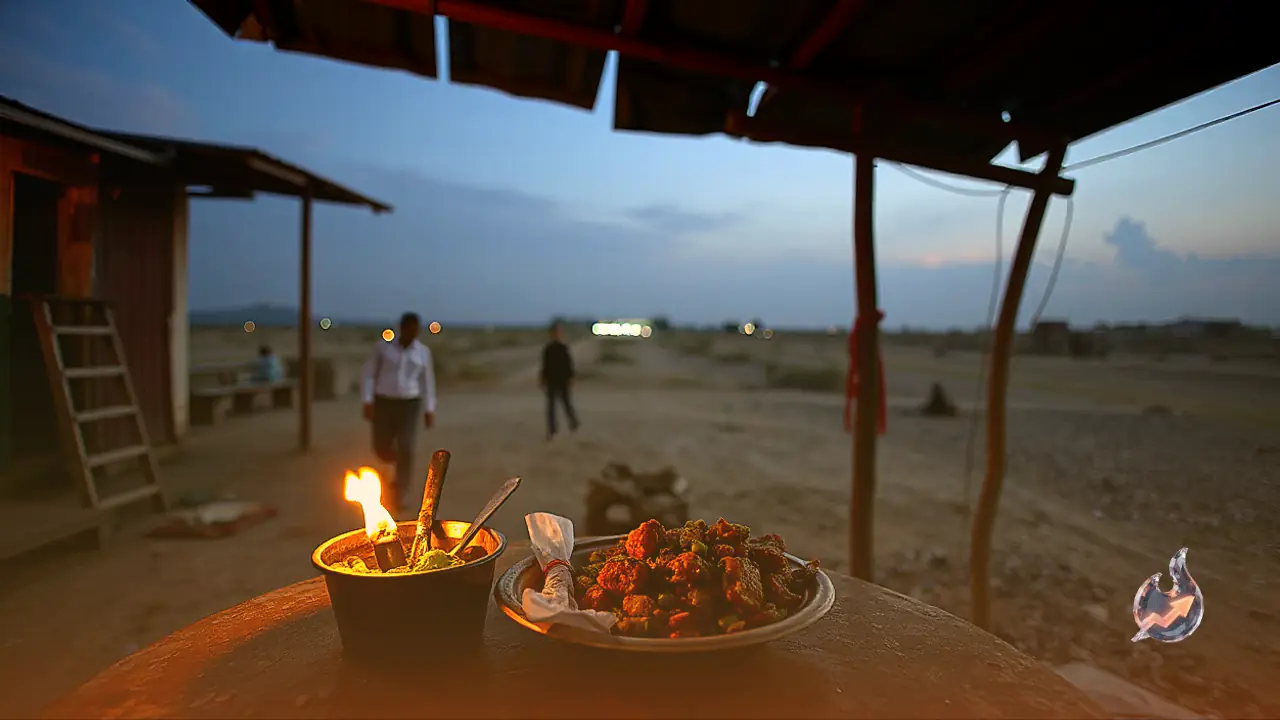
The family's daily struggles intensify significantly during the monsoon months. Due to persistent electricity issues during rainy nights, they are forced to burn wood just to create light and stay awake through the dark hours. While they do receive standard rations from public distribution systems, they have not been provided with a government cooking gas cylinder or stove. Consequently, the household relies entirely on traditional firewood cooking methods.
Four Children Deprived of Formal Education
Bifan Korwa shares that he has five children, out of which one daughter is married and four children live with him. None of these four children currently attend school, primarily due to the distance to educational institutions and the lack of proper connectivity. During the rainy season, poor visibility and difficult pathways make sending children to school a risky endeavor. Bifan expresses deep concern that while employment may or may not follow, education would at least make his children aware and knowledgeable. The lack of schooling remains a constant source of worry for the parents regarding their children's future.
Demands for Housing, Gas, and Education
The family has appealed to the administration for a permanent house and a gas stove to ease daily chores, particularly during the harsh monsoon season. Furthermore, they seek proper arrangements for their children's education, believing that learning is the only pathway to a better life. Their primary aspiration is to ensure their children escape the cycle of hardships that the family has endured for decades.