



















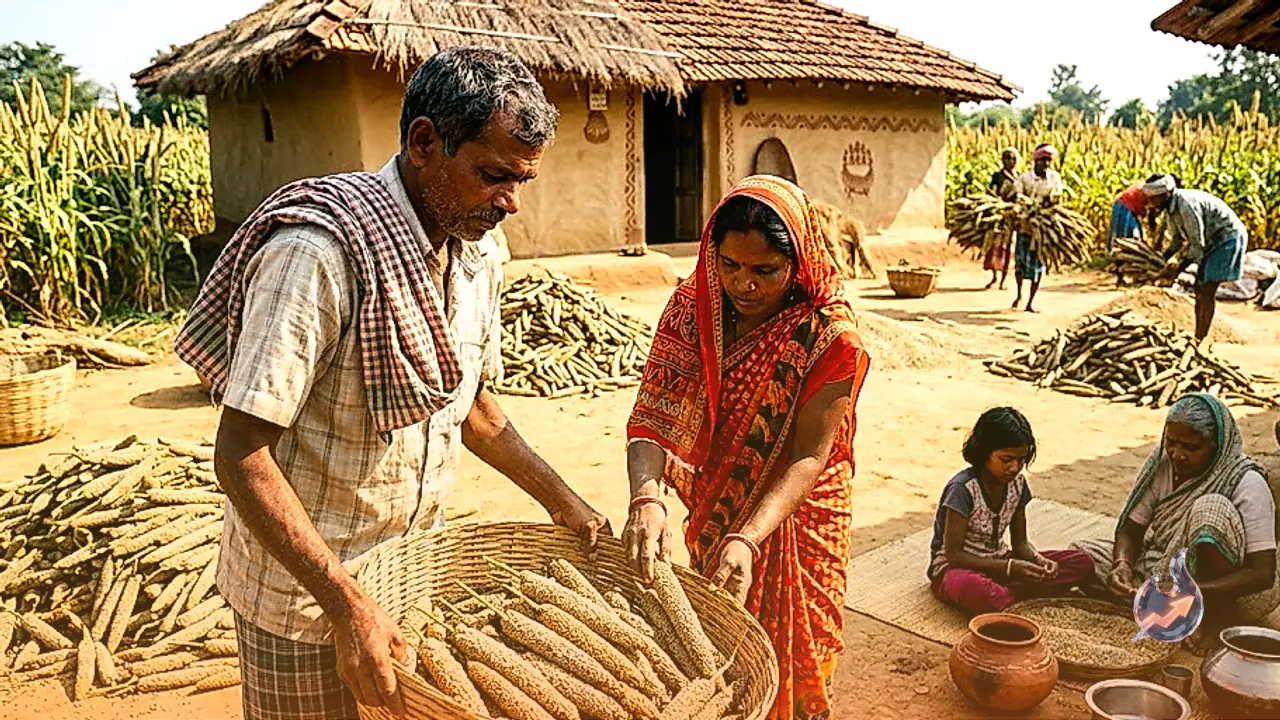

Across the rural farmlands of Bandna in Chhattisgarh's Surguja district, crops of bajra, or pearl millet, are currently on the verge of full maturity as grain heads develop across the fields. As the grains ripen and reach harvesting stage, local farming families prepare to cut, thresh, and sun-dry the produce to secure their seasonal culinary stock. The harvested millet holds a unique place in the local tribal and rural kitchens, where its flour produces flatbreads that carry a distinct, natural sweetness reminiscent of milk and sugar syrup. Beyond flatbreads, the grain is puffed into crisp lai, brewed into invigorating bowls of pej to boost physical stamina, and molded into traditional pitha. The grain also plays an indispensable role in brewing hadiya, a deeply rooted traditional beverage. Bajra cultivation in this region follows two separate cycles throughout the agricultural calendar, with one seasonal phase concluded and another reaching peak maturity in the fields.
Culinary Uses in Village Homes: Distinct Rotis, Pitha, and Nutritious Pej
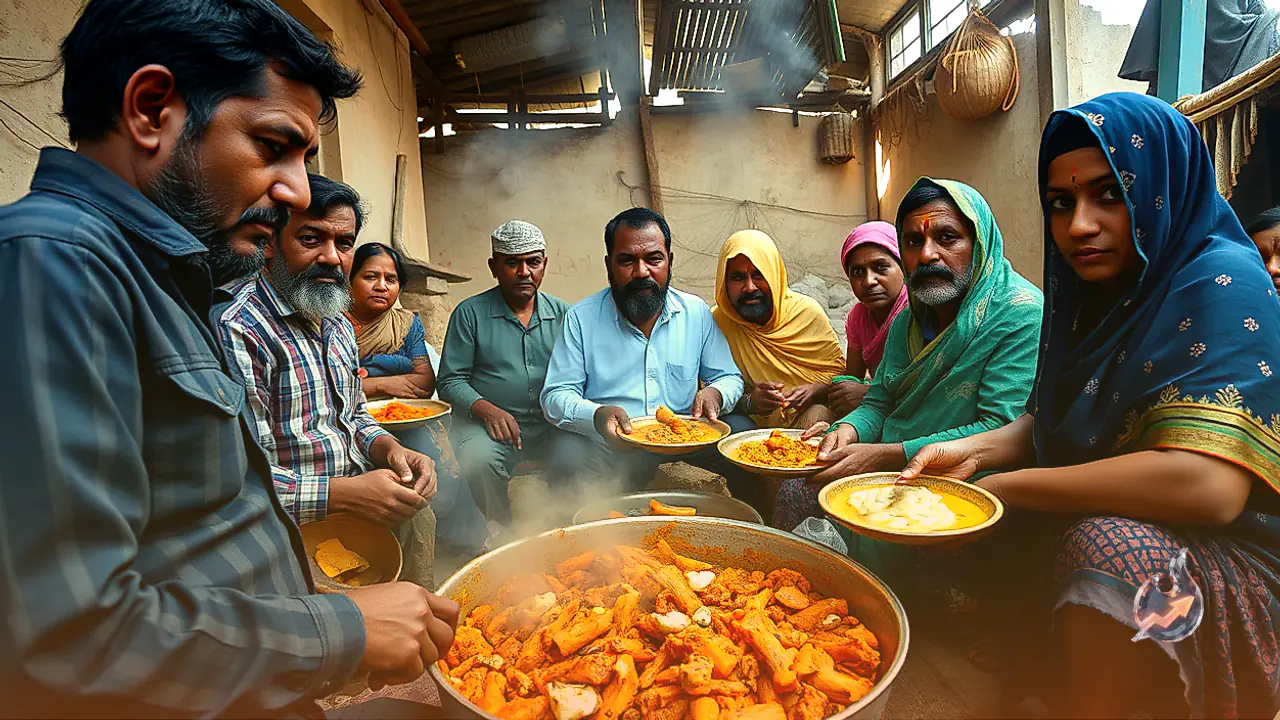
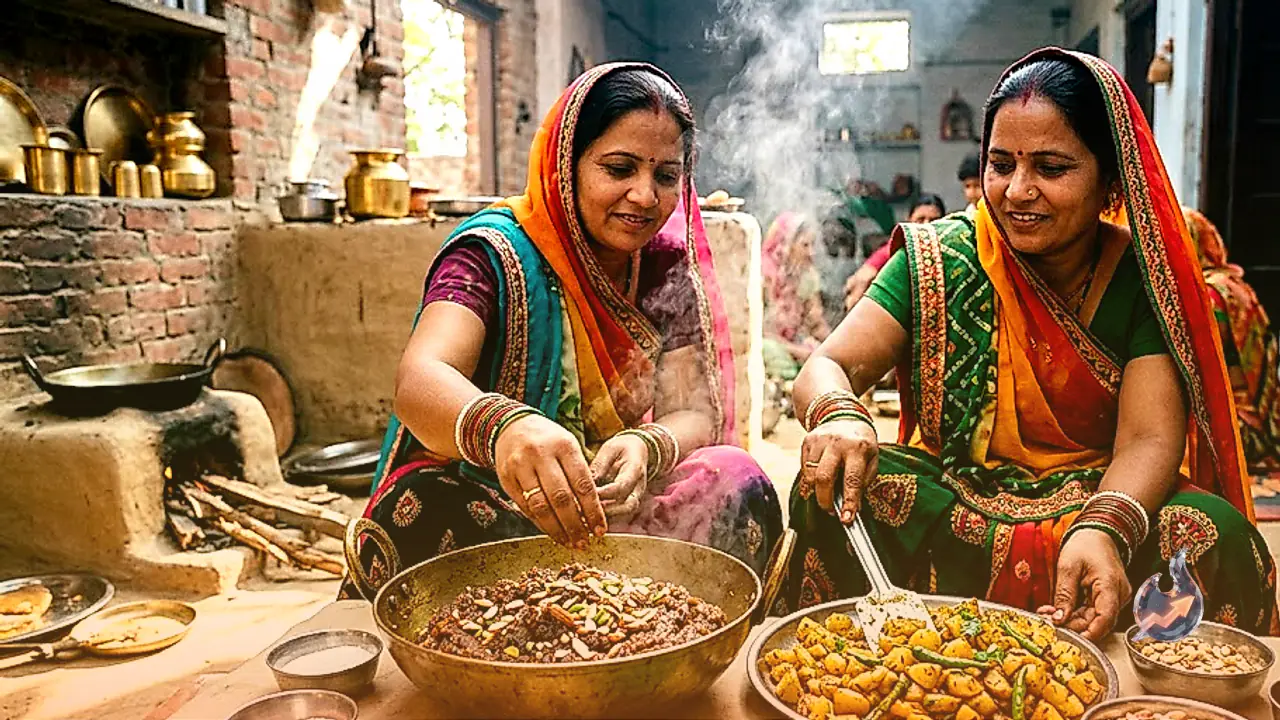
A village woman named Phool Kunwar explained that bajra serves as the foundation for a broad range of traditional dishes. After the grains are thoroughly dried and stone-ground into fresh flour, households knead and bake rotis that carry an incomparable taste. Locals emphasize that the rotis possess a gentle, inherent sweetness that sets them apart from common wheat or rice preparations. The grains are also processed into crunchy lai, which serves as a staple light snack. Furthermore, rural families routinely prepare pej, a soothing grain porridge that people drink with daily meals to maintain energy and endurance during demanding farm labor. From savory dishes to traditional pitha, bajra provides nutritious variety on the family plate, prompting many village households to deliberately prioritize their homegrown millet over processed market grain.
Two Cropping Seasons: The Dual Cycles of Kartik and Bhado
Local resident Mansay explained that farmers divide their bajra cultivation across two distinct seasonal windows. One cropping period is known locally as the Kartik harvest, while the second cycle corresponds to the Bhado season. Each phase operates on its own dedicated schedule for sowing, vegetative growth, and reaping. According to Mansay, the crop currently standing in the fields is the Kartik variety, which has reached grain-bearing maturity, while the Bhado cycle represents the subsequent farming window. As soon as the earheads burst forth and grains solidify, farming communities shift into harvest mode, organizing storage and planning culinary uses for the months ahead.
From Field to Hearth: Traditional Methods of Reaping and Storing
An elderly village resident noted that the crop presently blanketing the landscape represents the seasonal Kartik bajra. The mature stalks produce dense seed spikes where the grains form and harden under the sun. Once fully matured, the spikes are reaped, gathered in bundles, and dried thoroughly across village courtyards to eliminate moisture before processing. The dried grain is subsequently stored in household granaries to provide a steady supply of flour for rotis, grain porridge, and lai throughout the year. Village elders stress that this resilient cereal has anchored their subsistence and food identity across generations, maintaining immense dietary relevance even as commercial food alternatives enter rural markets.
The Cultural Role of Millet in Brewing Traditional Hadiya
The utility of bajra extends beyond everyday meals and hearthside baking. Phool Kunwar highlighted that the millet is an essential ingredient in preparing the heritage fermented drink known as hadiya. When brewed using bajra, the beverage develops a distinct flavor profile and aroma that differentiates it from brews made with conventional grains. For generations, traditional drink preparation has been woven into social customs, cultural gatherings, and community events across Surguja, making the millet an essential element of living folk heritage.
Historical Acreage and the Contemporary Decline in Sowing Area
Mansay pointed out that previous generations cultivated bajra across much larger tracts of farmland throughout the region. In earlier decades, nearly every farming household grew enough millet to cover annual domestic needs, grinding their own flour to bake fresh rotis every day. Over the years, however, total cultivation acreage for bajra has noticeably declined. Despite this reduction, a committed group of families continues to keep the practice alive. Rather than relying entirely on commercially purchased flour from local bazaars, harvesting their own field-grown bajra allows these households to preserve ancestral self-sufficiency and maintain culinary traditions inherited from their forebears.
A Cornerstone of Rural Culture and Culinary Heritage
Within the rural hinterlands of Surguja, bajra is far more than an agricultural commodity; it embodies community identity and rural living traditions. Signature items such as lai, roti, pitha, pej, and hadiya have sustained households for generations. Even though modern agricultural trends and shifting consumer preferences have constrained overall cultivation, the persistent dedication of rural families has kept this indigenous food culture intact. Recognizing and supporting bajra farming and its traditional recipes represents a meaningful step toward safeguarding regional culinary heritage and sustainable nutrition.