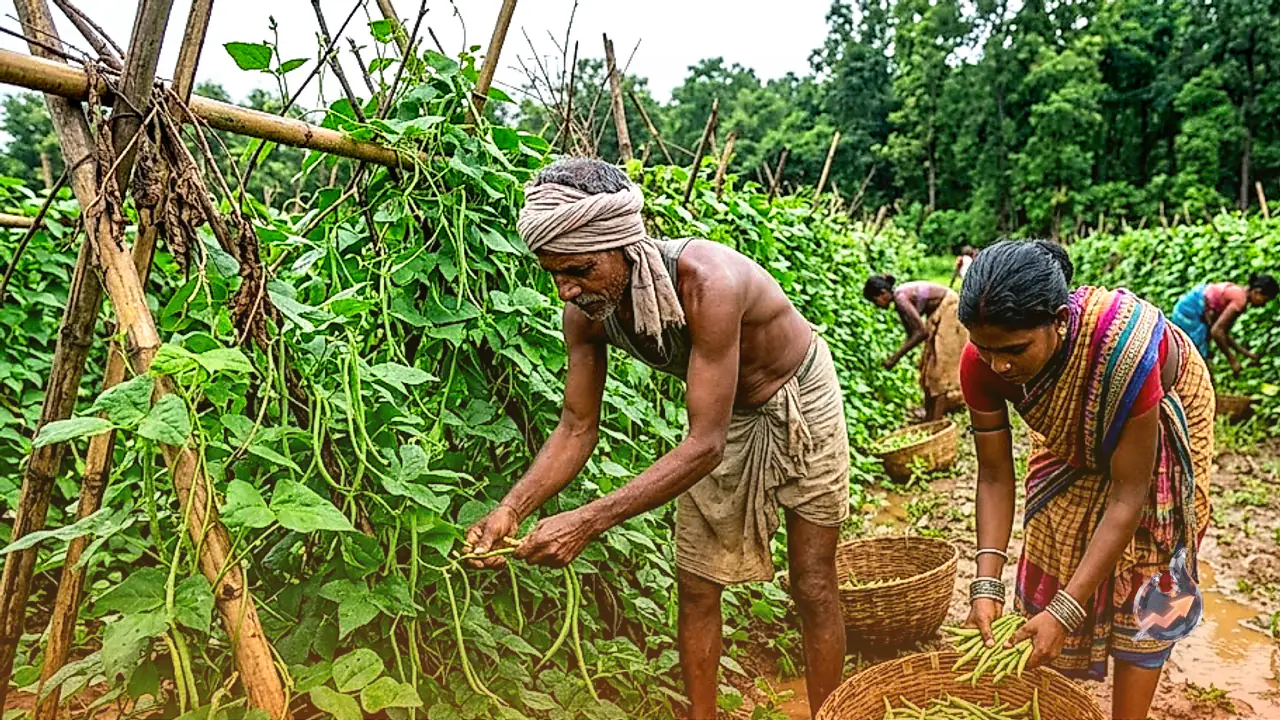



















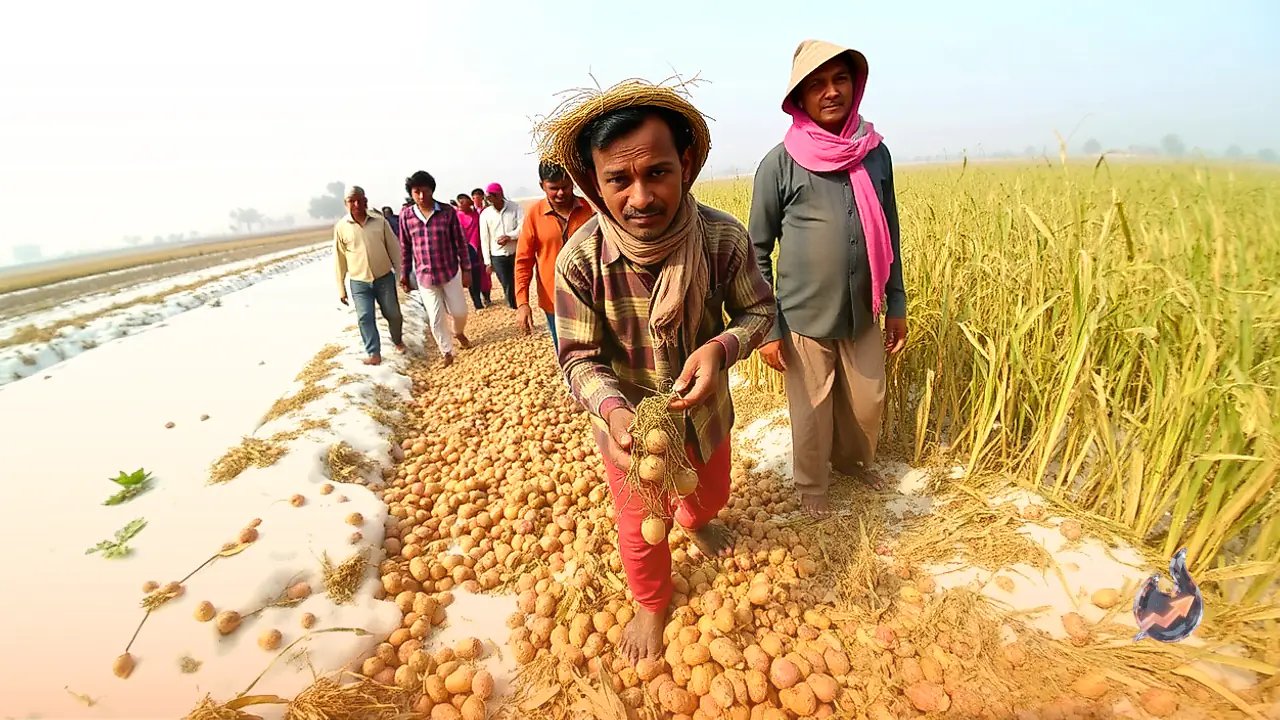

With the departure of the monsoon and the arrival of cooler October weather across the Surguja district of Chhattisgarh, agricultural activity in the fields shifts rapidly toward cold-weather produce. In the picturesque terrain of Mainpat, farmer Sikandar continues an agricultural tradition handed down by his grandfathers, cultivating high-yielding winter potatoes immediately following the conclusion of the rainy season. This cold-weather cropping cycle requires modest investment while serving as a reliable stream of supplemental earnings for rural households.
Crop Rotation and Preparing Soil with Double Tilling
Preparation in Mainpat commences right from the opening week of October. Sikandar explains that farmers first clear their plots of standing maize crops, and as soon as paddy harvesting wraps up, the soil is quickly prepared for rabi sowing. Establishing the right soil structure is critical for root crops. A tractor is used to till the field twice in succession, effectively breaking down heavy clods until the soil reaches a fine, loose, and crumbly consistency.
Once the soil is thoroughly pulverized, farmers construct raised ridges and furrows across the plots. Planting seed tubers along these ridges provides ample loose soil for the tubers to expand freely underground. Meticulous bed preparation ensures that the developing root system accesses sufficient air and nutrients, directly benefiting tuber shape, size, and aggregate harvest volume.
Seed Expenditure and Return on Output
Securing reliable seed tubers represents the primary upfront input for the season. According to Sikandar, a single bag of seed potato currently costs approximately 700 rupees in local trading hubs. When grown under favorable agro-climatic conditions and given diligent crop care, planting one bag can generate an output of between 10 and 15 bags of harvested produce. Actual productivity, however, continues to hinge on selected potato varieties, seed quality, soil fertility levels, local weather trends, and ongoing field maintenance.
Guarding Against Tuber Rot with Field Drainage
Water stagnation represents one of the most severe hazards in potato farming, as prolonged moisture around subterranean tubers causes rapid rotting and steep yield losses. Given that the terrain in Mainpat features natural slopes and hilly contours, configuring field ridges and water outflow channels requires careful attention. Whether dealing with unseasonal showers or routine irrigation runoff, plots must be graded so that excess water drains away without pooling around plant roots.
Farmyard Manure and Balanced Nutrition
Applying decomposed farmyard manure offers vital organic nourishment to soil beds before planting. Sikandar notes that cattle dung manure forms an important foundation, supplemented when needed by fertilizers such as urea to meet plant nutrition demands. Agricultural specialists recommend calibrating synthetic fertilizer doses against formal soil test results to keep production costs in check and protect long-term soil productivity from over-application.
Storage Durability: Winter Crop Versus Monsoon Harvest
Local agricultural experience reveals a clear functional contrast between winter potatoes and those harvested during the rainy season. Potatoes harvested from the cold winter cycle exhibit greater durability and can be stored safely for several months under ventilated, dry conditions. In contrast, monsoon potatoes carry elevated moisture levels and rarely stay fresh beyond four to six weeks in ordinary storage environments.
Expenditure Estimates and Regional Distribution
For the ongoing season, Sikandar has sown potatoes across roughly two acres of farmland, committing approximately 25 thousand rupees toward baseline input expenses. Provided field conditions remain supportive and wholesale rates stay firm, he anticipates generating roughly one lakh rupees in gross sales receipts. The final net income will naturally depend on seasonal market rates, transport logistics, labor charges, and irrigation costs. In terms of commercial reach, the grower aims to send his Mainpat harvest beyond regional village markets to wholesale mandis in Ambikapur, Bilaspur, Raipur, and Varanasi.