
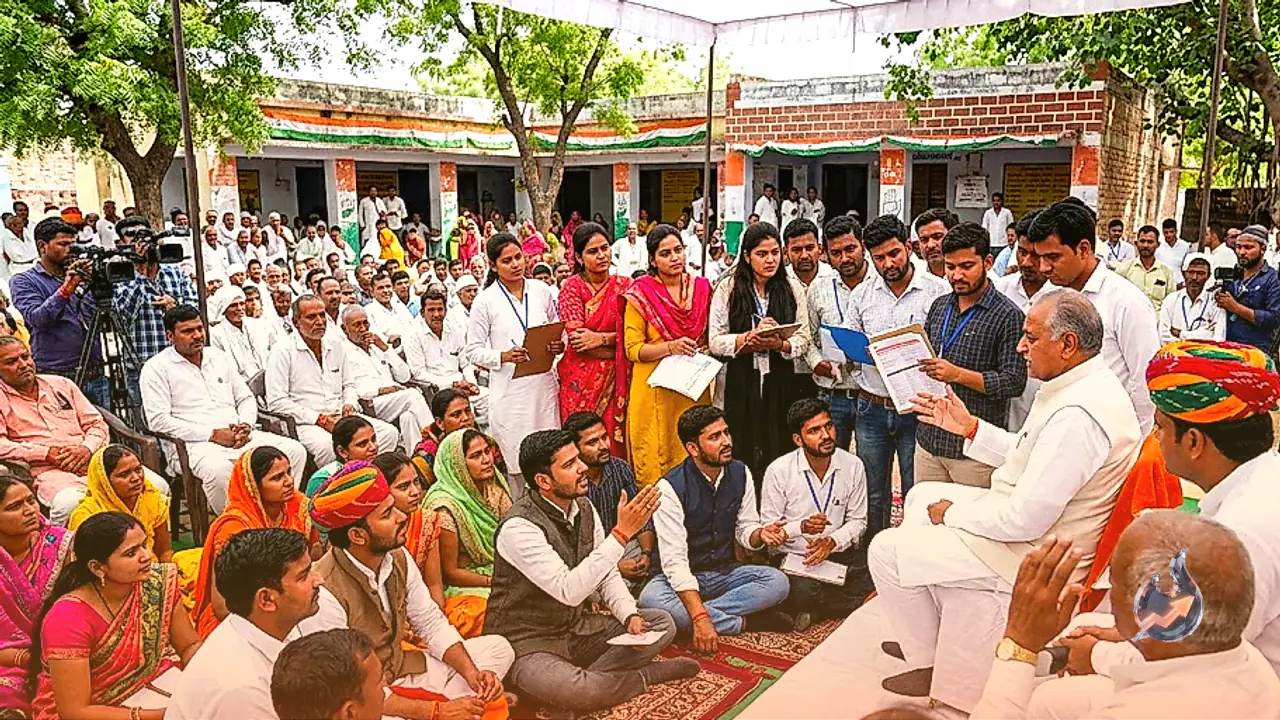

















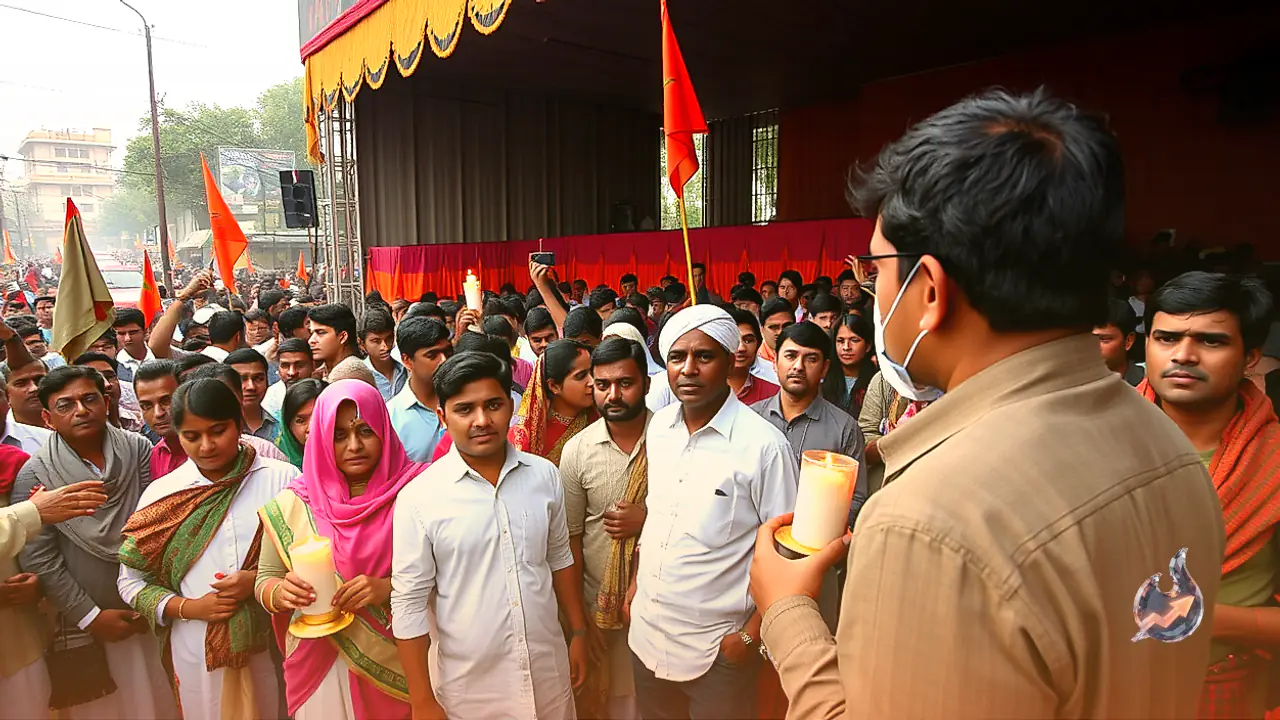

A wave of distress and anger has swept through job aspirants across Chhattisgarh following the sudden postponement of recruitment examinations for the posts of teacher and assistant teacher. Giving voice to their widespread frustration, hundreds of candidates assembled at Gandhi Chowk in Bilaspur under the platform of the Sanyukt Chhatra Morcha to register a silent yet determined protest. Carrying lit candles through the public square, the demonstrators voiced deep resentment over systemic administrative delays, the shock postponement of the test barely two days prior to the schedule, and contentious reservation roster issues. Many candidates highlighted that they had dedicated between two to five years preparing relentlessly for these teaching openings and allied competitive exams.
Years of Rigorous Preparation and Mounting Financial Strain
Demonstrators shared personal accounts of the immense sacrifices required to sustain competitive exam preparation. A vast number of candidates had moved from remote districts to Bilaspur, spending years in cramped rented rooms and commercial libraries to focus on their studies. Under such demanding conditions, an eleventh-hour postponement has not only disrupted their hard work and preparation schedules but has also inflicted serious financial distress on middle-class families. Female candidates highlighted an even steeper emotional hurdle, explaining that living away from their husbands and families is already fraught with social difficulties, and this abrupt derailment of the examination timeline has magnified uncertainties about their career prospects. Consequently, the aspirants demanded that the administration urgently resolve the dispute, announce fresh dates, and bring absolute clarity to the recruitment exercise.
High Court Order and the Reservation Roster Dispute
The recruitment process was slated to unfold in October, with the assistant teacher recruitment examination officially scheduled for October 11, 2026, followed by the teacher recruitment examination on October 25, 2026. However, legal challenges surrounding reservation provisions prompted the Division Bench of the High Court to intervene and grant an interim stay on the conduct of the examinations. The crux of the legal contest involves reservation norms outlined in the recruitment notification for candidates with disabilities, particularly regarding benefits and quotas earmarked for individuals with complete visual impairment. Following the judicial directive, the administrative machinery announced the postponement. Protesters argued that delivering such an intervention barely two days before the examination date constitutes a severe setback for candidates. They asserted that officials and recruitment agencies should have thoroughly examined and finalized the legal nuances of the roster before rolling out the notification, avoiding this crisis entirely.
Aspirants Question Administrative Delays and Oversight
Speaking at the demonstration, an aspirant named Imtiaz questioned why such foundational administrative flaws are not identified and rectified at the inception of the recruitment process. He pointed out that teacher recruitment in Chhattisgarh does not occur on a regular annual schedule, but rather arrives after gaps spanning multiple years. When candidates wait half a decade for an opportunity, recruitment agencies must ensure absolute scrutiny of the reservation roster and operational rules well ahead of time. Imtiaz lamented that recurring controversies around government recruitment processes routinely force students to abandon their study desks and take to the streets in protest. The demonstrators called upon the government to institute robust transparency, fix institutional accountability, and address candidate grievances in a predictable timeframe.
Shrinking Vacancies and Demands for a Strict Timeline
Another candidate, Prakash Verma, raised pointed concerns regarding the government commitment toward youth employment. He observed that initial discussions among candidates pointed toward an extensive recruitment drive covering 57000 positions, which later tapered into hopes for 33000 and 16000 vacancies. However, the final recruitment reality appears to have dwindled down to a modest figure of around 5000 posts. Prakash Verma noted that candidates preparing for these teaching jobs have waited a frustratingly long time, only to be hit by a sudden postponement after their admit cards had already been issued. He urged the government to issue an official clarification regarding its recruitment intent and deliver a time-bound operational calendar for the entire examination cycle.
Concerns Over Question Paper Confidentiality
In addition to seeking immediate exam dates, Prakash Verma and several co-demonstrators raised substantial security concerns regarding question papers that had already been printed. Because the scheduled exam dates were October 11 and October 25, the sets of question papers were already prepared and printed well ahead of time. Given the unexpected delay, candidates expressed apprehension regarding the long-term confidentiality and custody of these confidential materials. Protesters demanded that the existing question papers be publicly destroyed, and that any subsequent examination be conducted using completely newly drafted question papers. Women candidates echoed this sentiment, arguing that the administration must proactively eliminate any future risk of secrecy breaches or related controversies. The aspirants clarified that while they harbor serious doubts regarding paper security during an extended freeze, their demand is a precautionary measure and should not be misconstrued as confirmation of an actual paper leak.
Disrupted Plans and Equity for Hindi Medium Aspirants
Describing his personal struggle, aspirant Ajay Sahu shared that he had spent the last four to five years simultaneously preparing for PSC examinations as well as the school teaching cadre. The unexpected halt in the exam process has completely derailed his long-term professional plans. Ajay Sahu warned that if the authorities fail to organize the rescheduled examinations before December 2026, candidates could easily find themselves trapped in an agonizing, open-ended wait. He also raised an important policy point concerning Atmanand Schools, urging authorities to grant eligibility to Hindi medium candidates for positions in these institutions. He stressed that recruitment frameworks should be structured equitably, ensuring that competent candidates from all linguistic backgrounds receive a fair chance to serve.
Personal Hardships Faced by Women Candidates
Holding candles in the evening protest, a female aspirant named Sita Sahu explained the deep psychological toll the abrupt cancellation took on her life. She recounted that she had been preparing diligently for two to three years, and had spent the past eight months residing in Bilaspur in a rented room away from her family, in-laws, and husband to dedicate herself to studies. With the examination process now suspended indefinitely, pressure from her family to return home is escalating rapidly. She noted that managing room rent, food, and coaching expenses is becoming financially unbearable, leaving her and many others in acute confusion over their immediate next steps. Another candidate, Kiran Maurya, similarly shared her distress regarding the ongoing situation and the heavy personal toll exacted by administrative indecision.