



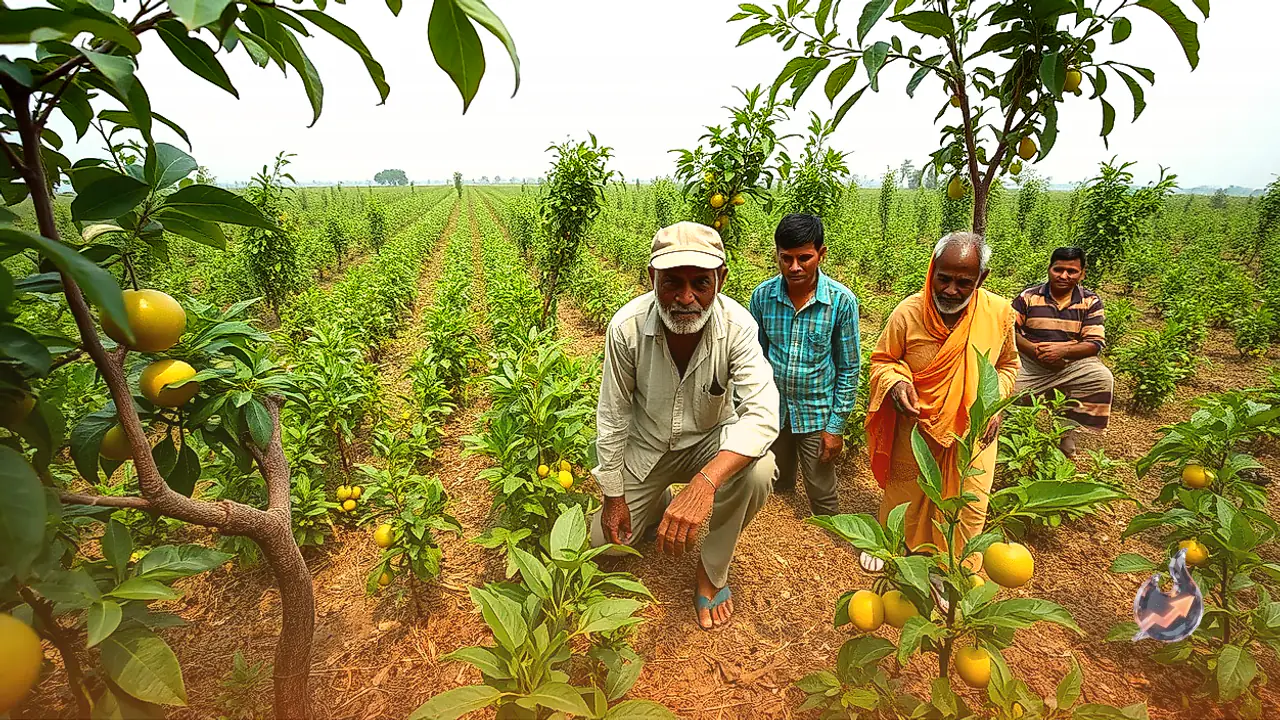
















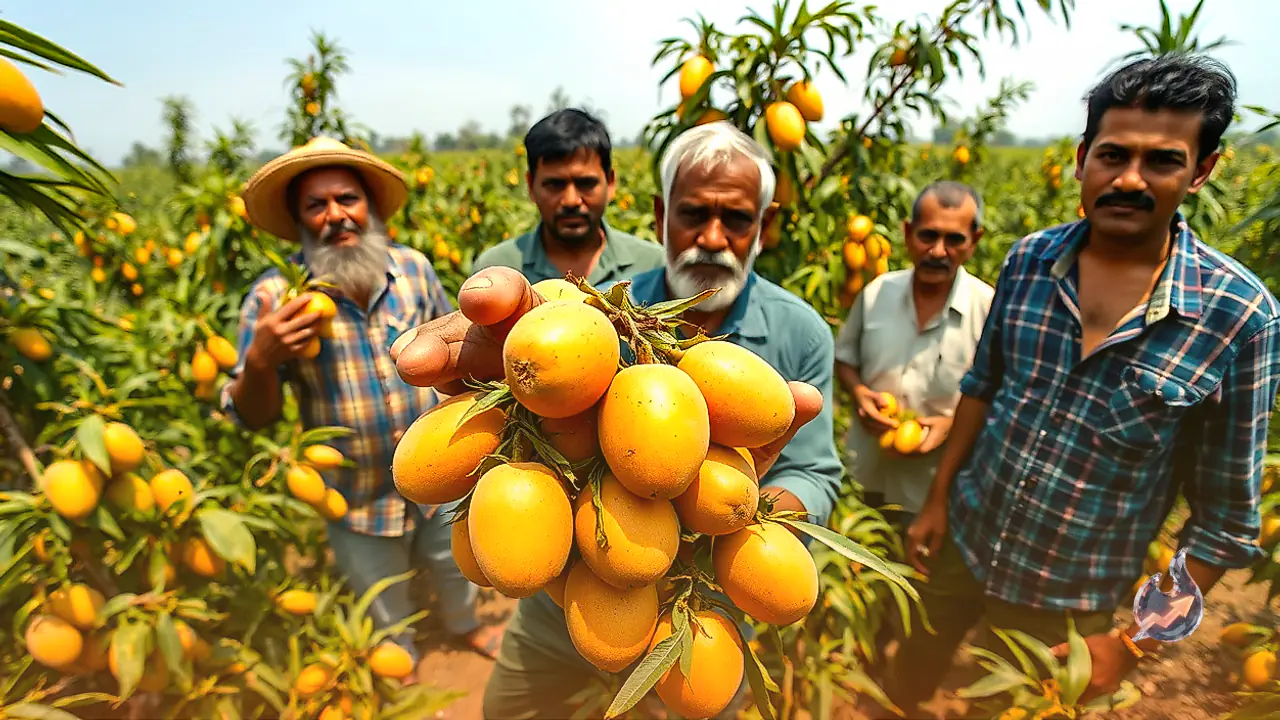

Cultivating mangoes can serve as a dependable and lucrative source of revenue for farmers looking to diversify beyond traditional agricultural practices. By adopting innovative horticultural strategies and high-yielding grafted saplings, orchard owners can secure consistent production over several years. At the DJ Verma Organic Agriculture Farm located in Malhar within the Bilaspur district of Chhattisgarh, innovative cultivator Yadunandan Prasad Verma has demonstrated this practical approach to modern fruit farming. Verma is actively planting distinct varieties of grafted mango saplings across his land, highlighting exotic and commercial cultivars such as Miyazaki and Sweet Katiamon. Agricultural practitioners widely consider October to be an opportune window for planting young fruit trees before harsher weather sets in.
Understanding the Sweet Katiamon Variety and All-Weather Fruiting
Among the cultivars introduced at the DJ Verma Organic Agriculture Farm, the Sweet Katiamon mango has drawn notable interest due to its unconventional harvesting cycle. Conventional Indian mango varieties generally produce fruit only once during a specific seasonal window each year. In contrast, Sweet Katiamon possesses the unique physiological capability to flower and set fruit across multiple cycles throughout the year when provided with favorable microclimatic conditions. Because of this trait, growers classify it as an all-season or perennial fruit variety. A Sweet Katiamon tree planted on Verma's farm in the year 2024 is currently bearing healthy fruits. Heavy recent rainfall did cause superficial spots and blemishes on some of the developing fruits, yet the continuous presence of produce confirms the tree's vigor and steady yield potential under varied conditions.
The Value of Grafted Saplings and Correct Plantation Technique
Throughout his organic acreage, Yadunandan Prasad Verma prioritizes grafted saplings over conventional seed-grown trees. Grafting techniques offer the distinct operational advantage of shortening the juvenile period, allowing saplings to commence fruiting substantially sooner than natural seedlings. Nevertheless, Verma cautions that the exact timeline for initial fruiting is governed by multiple variables, including the tree's variety, maturity, standard of nursery management, and ambient climate. Consequently, early harvests during the very first year cannot be categorically guaranteed without steady crop care.
Establishing a successful mango grove demands precision from the outset. Growers must first select a site featuring fertile soil and dependable drainage channels. Digging pits of appropriate dimensions according to soil texture is the next prerequisite. During plantation, the sapling must be positioned carefully so that its root structure remains undisturbed and undamaged. Rich topsoil should be backfilled around the root ball and compressed gently by hand to stabilize the stem against wind. Immediate irrigation is necessary to settle the soil. Crucially, water must never be allowed to stagnate directly around the trunk base, as persistent waterlogging deprives root systems of oxygen and invites fungal decay.
Water Conservation and Irrigation Planning
Mango trees are naturally resilient and can thrive on moderate water volumes once their root network is firmly anchored in the ground. Yadunandan Prasad Verma explains that irrigation needs can be modulated based on environmental conditions once the trees establish themselves. However, disciplined watering remains vital during the initial establishment stage. Younger saplings require consistent moisture protection, especially during harsh summer heat when transpiration runs high. Conversely, monsoon seasons demand robust drainage ditches across the orchard to prevent moisture accumulation. Pairing suitable varieties with recommended tree spacing, systematic organic fertilization, and seasonal pruning substantially maximizes harvest volumes.
Generating Supplementary Revenue Through Vegetable Intercropping
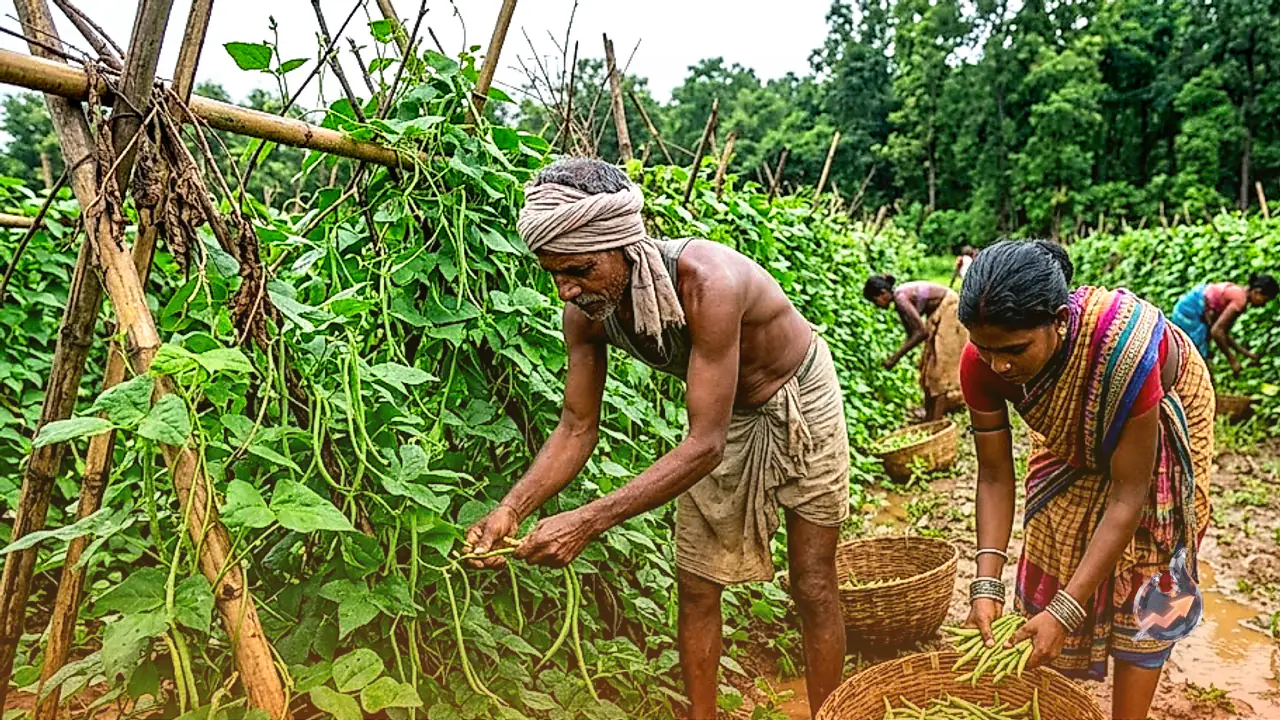
During the opening years of establishing a mango orchard, considerable open space remains between the sapling rows before tree canopies fully expand. At his Malhar farm, Verma leverages this unutilized field area by practicing intercropping with seasonal vegetables. This strategy allows farmers to obtain supplementary commercial output and cash flow while the primary fruit trees mature. Growers can choose specific vegetable varieties suited to local soil health and available alley widths. The primary management priority in an intercropping setup is avoiding resource competition, ensuring that the secondary crops do not rob the young mango trees of essential soil nutrients, moisture, or sunlight.
Practical Recommendations for Prospective Growers
Yadunandan Prasad Verma urges fellow agriculturists to dedicate portions of their agricultural holdings and homestead plots toward planned fruit orchards. He underscores the necessity of procuring high-grade grafted saplings strictly from credible, certified nurseries to verify genetic purity and plant vigor. Diligent monitoring during the initial post-planting phase lays the foundation for long-term tree productivity. With proper organic care and field hygiene, modern mango cultivation stands out as an enduring, profitable farming enterprise.