
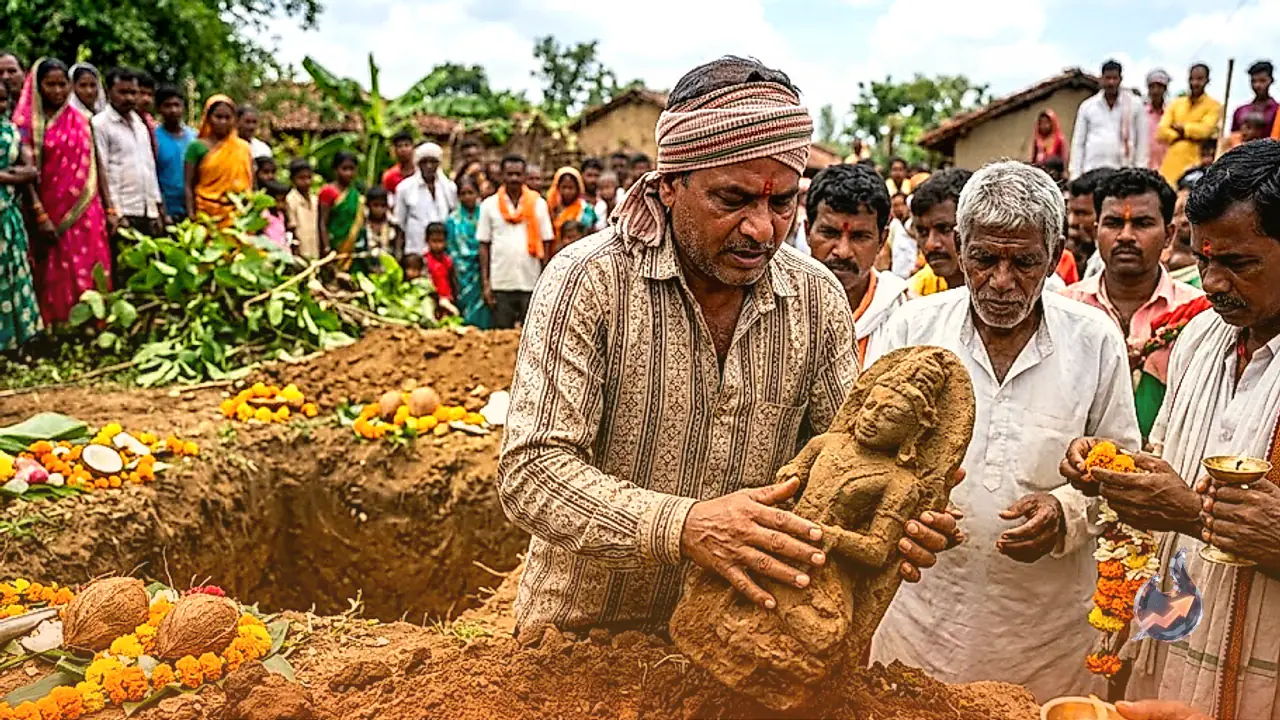
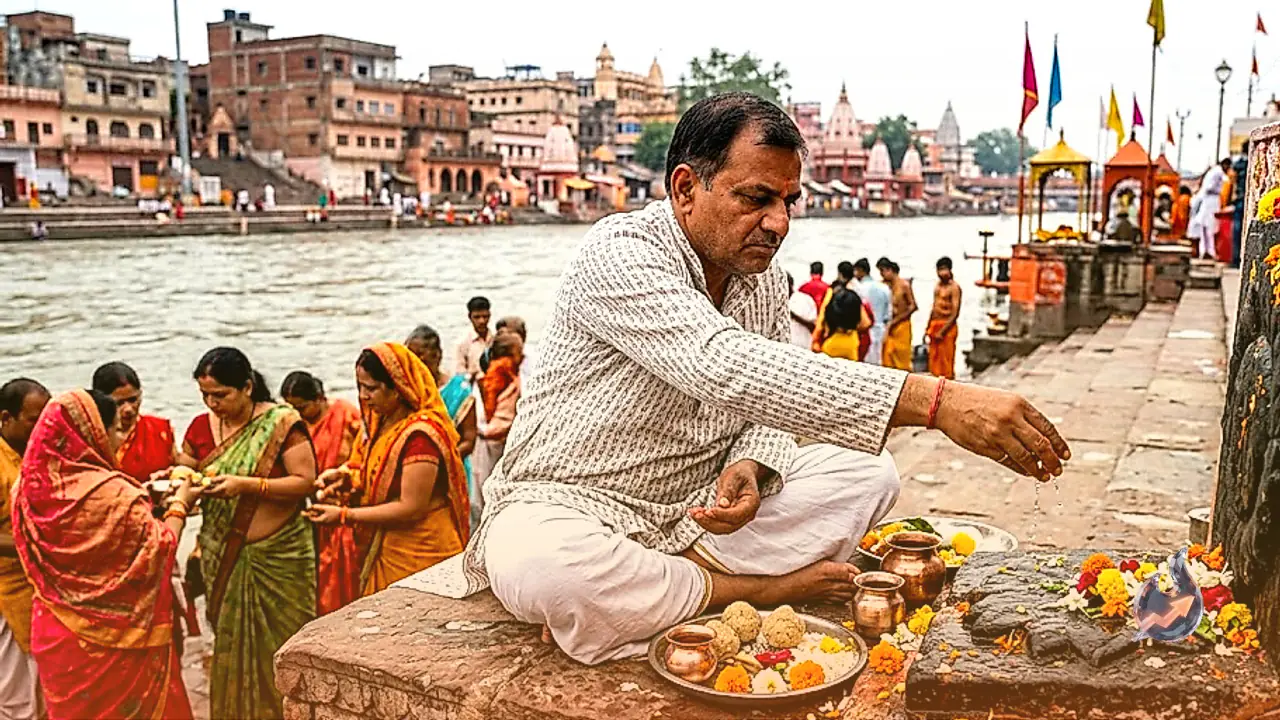
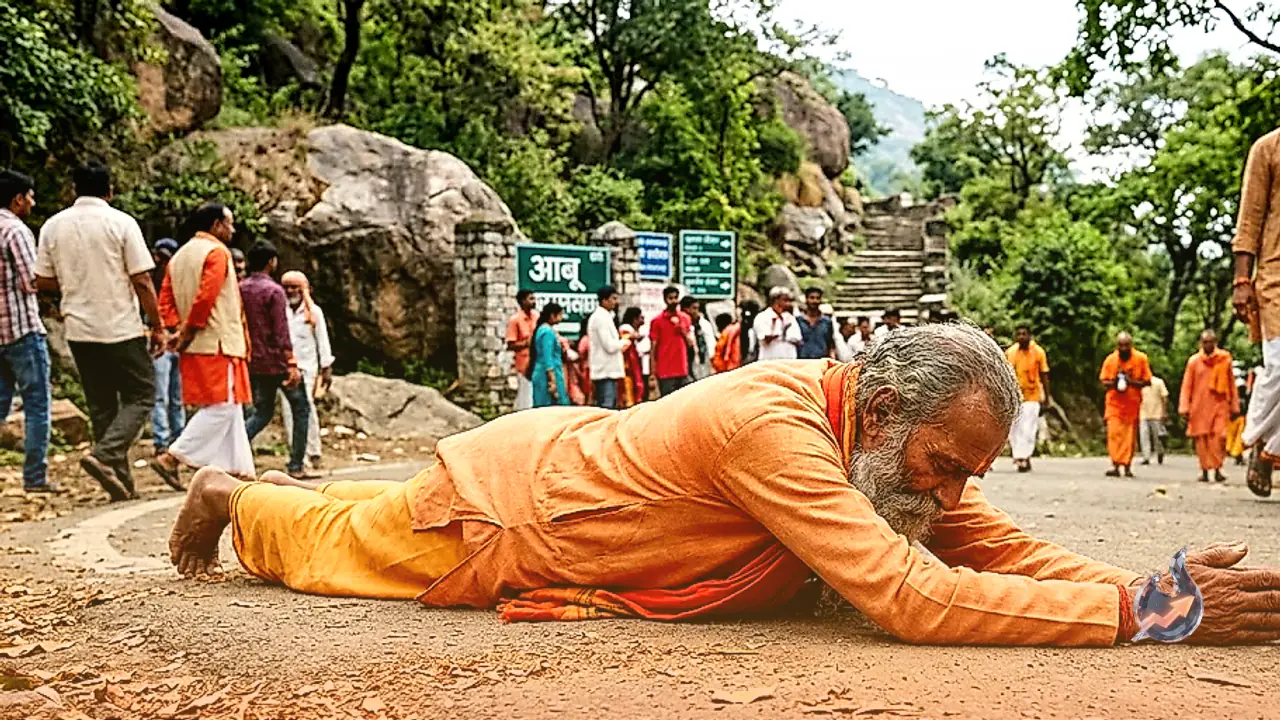


















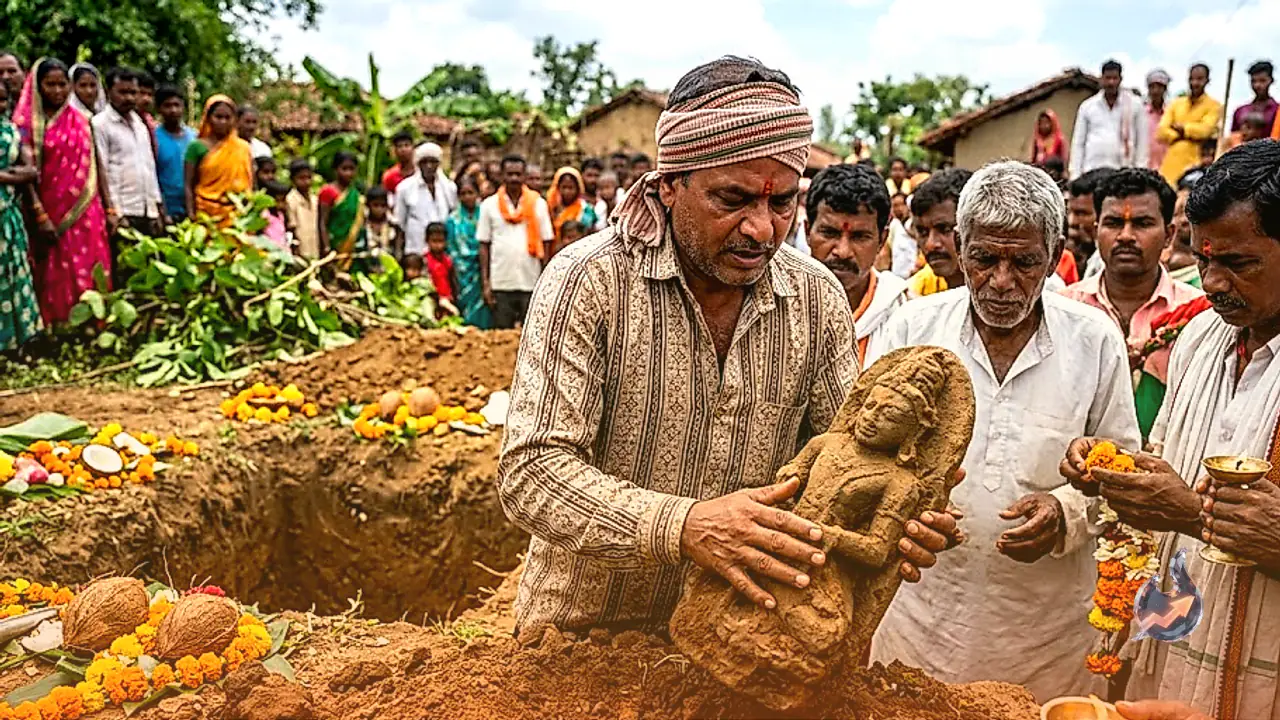

Tucked away in the Masturi block of Bilaspur district in Chhattisgarh, Gatora village comes alive once every two years for the unique and culturally rich Bidar Festival. Far more than a routine religious gathering, this celebration serves as a living testament to the region's centuries-old heritage, deep religious devotion, and robust social fabric. Home to a population of approximately 12000 residents belonging to diverse communities and backgrounds, the village unites to worship their ancestral deities with utmost reverence. The worship of Thakur Dev, situated at the entrance of the village, forms the absolute core of this grand festival. According to local traditions, Thakur Dev remains sheltered underground for nearly two years and is brought out exclusively during the Bidar Festival by a traditional Baiga priest to undergo elaborate rituals. Following the prayers, the deity is presented to the entire village for darshan. The festivities turn the entire settlement into a vibrant hub as guests arrive at households from near and far, creating an atmosphere of collective celebration.
Preparations and Village-Wide Cleanup
Preparations for the Bidar Festival in Gatora begin roughly fifteen days to a month in advance. Leaders from various communities within the village convene meetings to finalize the auspicious date for the worship and map out the logistical arrangements. On the decided auspicious day, villagers march in a grand procession accompanied by traditional musical instruments to the sacred site of Thakur Dev. Concurrently, all the temples and shrines scattered across the village undergo thorough cleaning, whitewashing, and ritualistic cleansing. The villagers harbor a firm belief that these presiding deities safeguard the settlement and ensure continuous peace and prosperity, which is why a special collective worship of all sacred spots is conducted at least once every two years.
The Underground Abode of Thakur Dev
The customs surrounding Thakur Dev remain the most intriguing aspect of the Bidar Festival. According to Acharya Vidyadhar Pandey, after the completion of initial rituals, Thakur Dev is placed deep beneath the earth where he remains hidden for approximately two years. When the time for the Bidar Festival arrives, the Baiga retrieves the deity from the subterranean chamber. Meticulous rituals are then performed, allowing the villagers to catch a glimpse of Thakur Dev. Once the worship concludes, the deity is once again lowered into a secure underground location, the exact whereabouts of which remain unknown to the general populace.
Guardian Deity of the Settlement
Local folklore and traditional beliefs designate Thakur Dev as the primary protector of Gatora. Tales passed down by village elders recount that in bygone eras, Thakur Dev used to ride a horse and patrol the boundaries of the village at night. Elders note that until several decades ago, residents often claimed to hear the sound of horse hooves echoing through the dark. While these accounts form part of local mythos and customary lore, they reinforce the deep spiritual bond the villagers share with the deity.
Coconut Offerings Mark the Beginning of Worship
Once Thakur Dev is unearthed, the formal rituals commence with specific offerings. According to Acharya Vidyadhar Pandey, the worship officially begins with five designated individuals offering coconuts. This includes members of the Malguzar family and the Satnami community, who offer prayers in a strictly satvik manner, emphasizing non-violence and purity. Following this, representatives of the local panchayat offer their coconuts, while the remaining coconuts are broken by the acharya according to prescribed scriptural rules. Traditional Baiga rituals then follow to complete the worship of Thakur Dev.
Decades of Dedicated Service by the Acharya
Acharya Vidyadhar Pandey has been officiating the rituals at the Bidar Festival since 1982. He notes that while the Bidar Festival is observed in several villages across Chhattisgarh, the exact historical origin of the tradition remains undocumented and unknown. Having served as the chief acharya for the village's principal festivals for nearly 46 years, he oversees all proceedings, ensuring that the worship adheres strictly to satvik and Vedic principles.
A Remarkable Display of Social Harmony
The defining hallmark of the Bidar Festival is its powerful demonstration of social unity. Gatora is home to people from multiple castes and communities, yet all boundaries dissolve during the festival as residents participate shoulder to shoulder. Members from every segment of society extend active cooperation toward the success of the event. While the local panchayat shoulders the responsibility of maintaining safety and order, the collective participation of all social groups drives the celebration. Consequently, the villagers view this festival as an essential catalyst for strengthening mutual affection and brotherhood.
Emphasizing Non-Violence and Purity
Acharya Vidyadhar Pandey emphasized that the core rituals of the Bidar Festival are strictly vegetarian and satvik, completely excluding animal sacrifice or violence. Although some individuals engage in separate practices involving animal sacrifice or consumption of intoxicants after the main rituals conclude, these elements form no part of the official worship. Discussions regarding the complete eradication of animal sacrifice surface periodically among the villagers. Pandey notes that achieving a lasting change in this tradition requires a concerted, community-wide effort.
Warm Hospitality and Festive Vibe
Amidst a population of about 12000 people, the Bidar Festival is celebrated with immense fervor in Gatora. Throughout the duration of the festival, households welcome a large influx of guests. People from diverse backgrounds interact, share meals, and actively participate in the collective events. In this manner, the Bidar Festival successfully preserves its religious significance while serving as a powerful medium to uphold the social cohesion and age-old heritage of Gatora village.