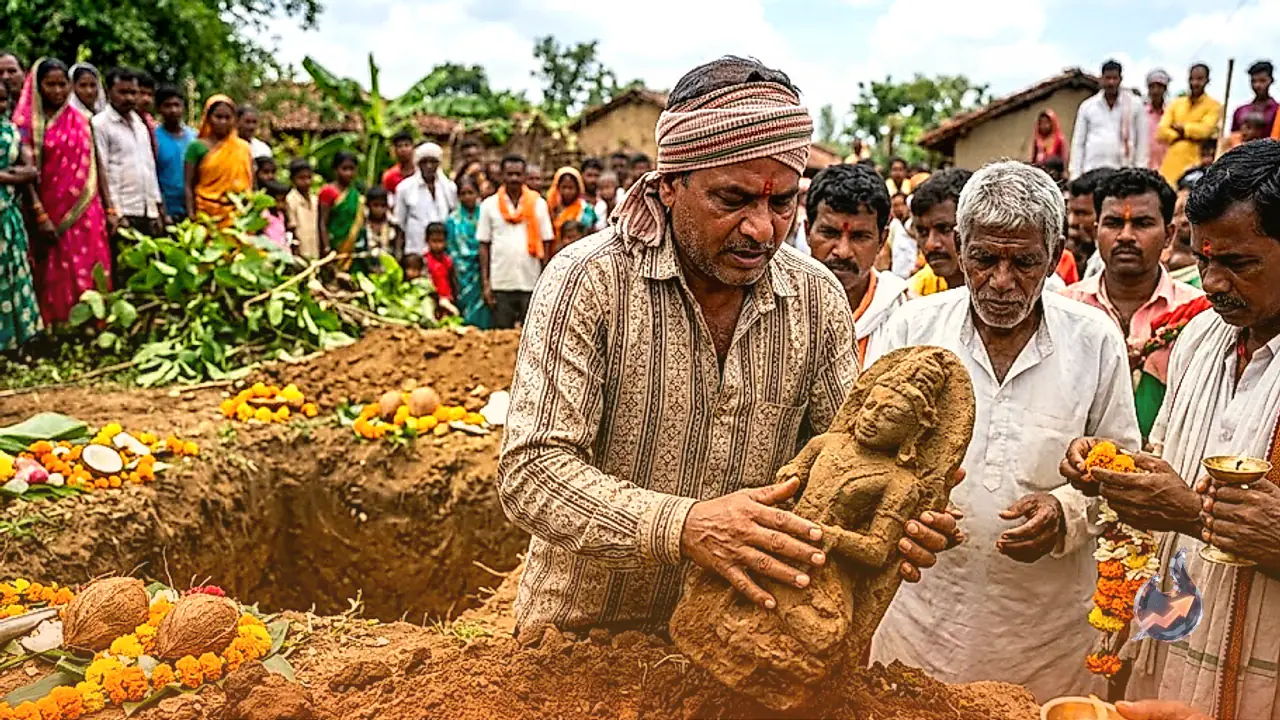
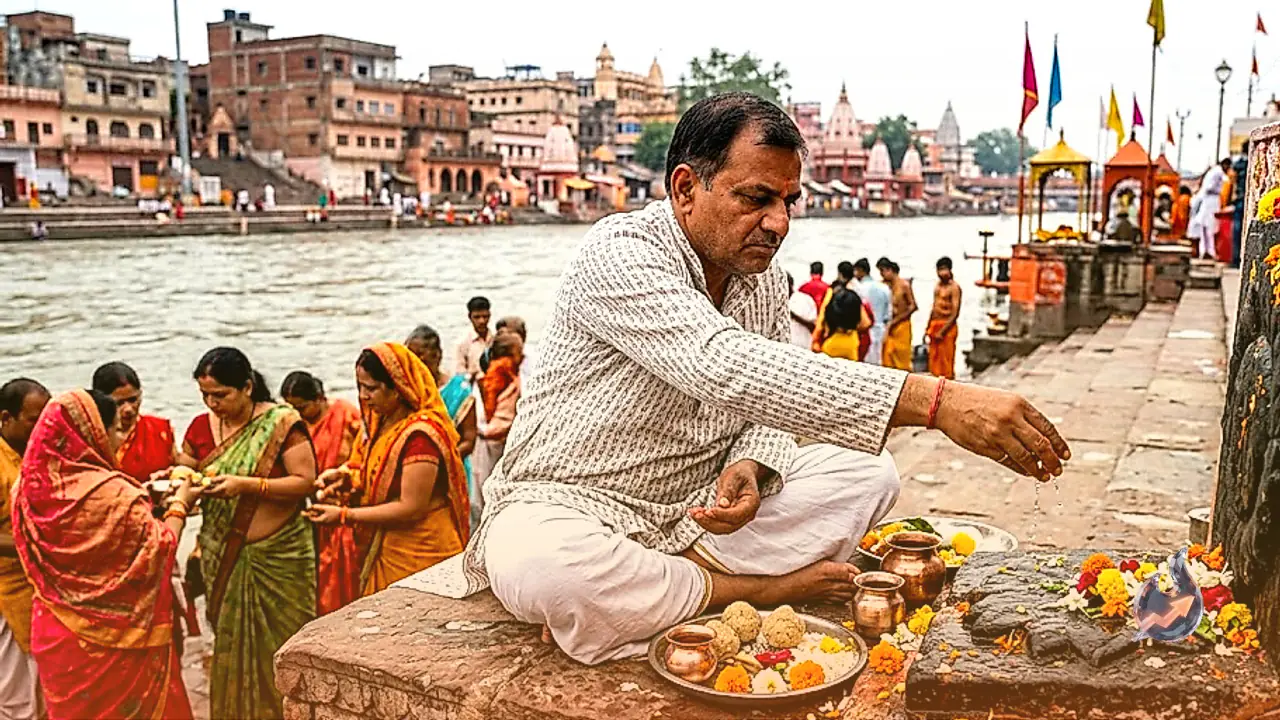
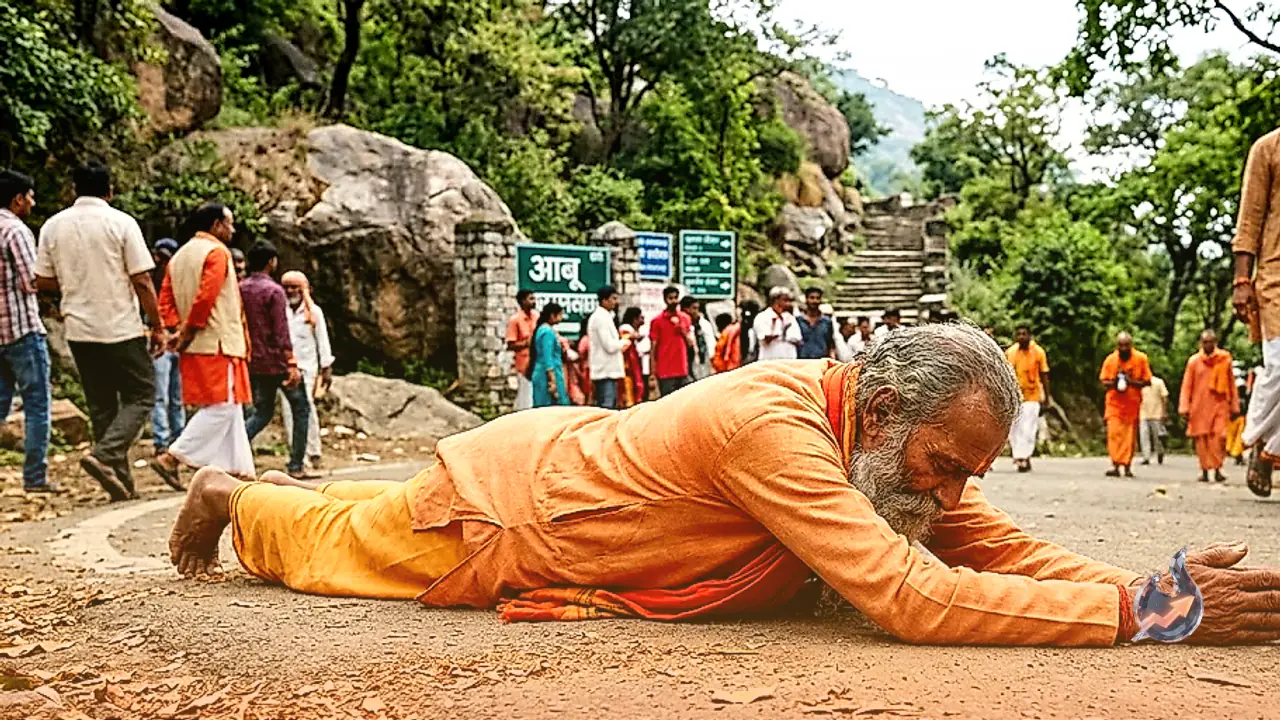


















With the arrival of the Krishna Paksha of the Ashwin month, the sacred period dedicated to ancestral offerings has officially commenced. This solemn fortnight offers family members an opportunity to express deep gratitude and perform rites for the peace of departed souls, culminating on 10 October on the occasion of Sarva Pitru Amavasya. Over these sixteen days, individuals perform essential rituals including tarpan, daan, and shraddha to seek blessings from their forebears. While the holy town of Haridwar along the Ganges is celebrated globally as a prime center for spiritual liberation, a particular sacred stone located along the riverbanks holds singular prominence for ancestral peace: the Narayani Shila.
Revered as the Divine Heart of Lord Vishnu
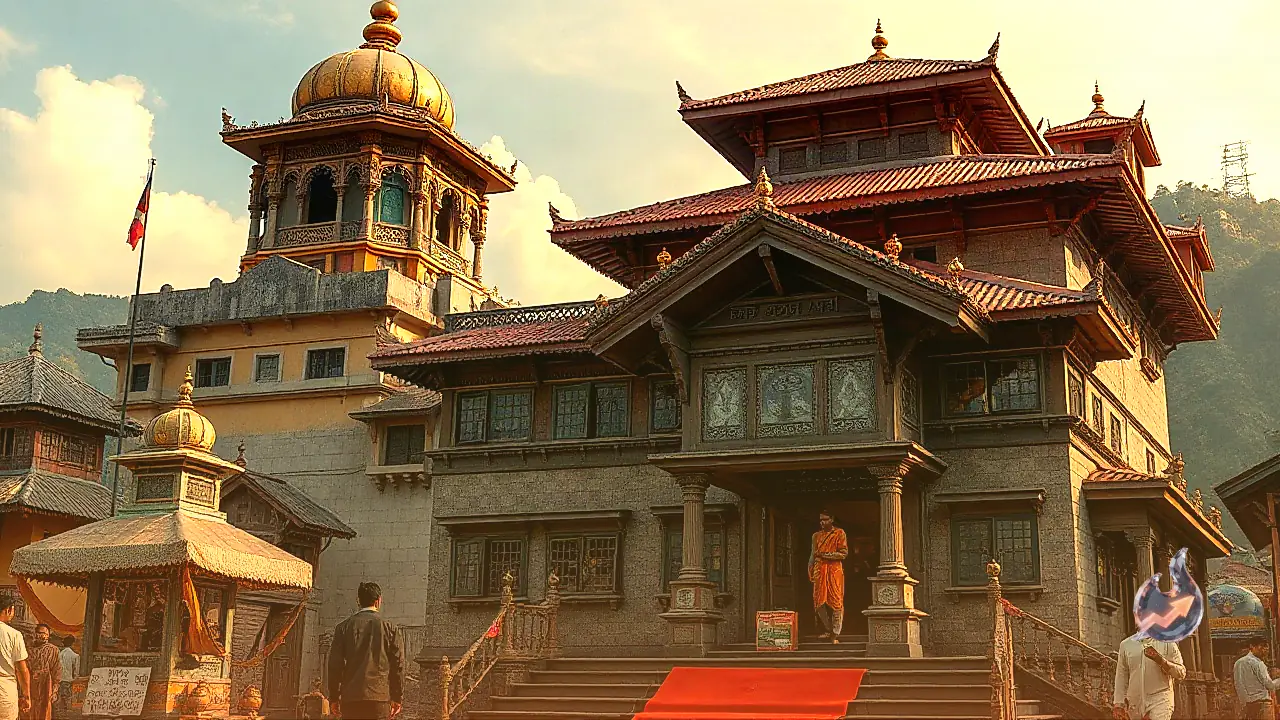
This ancient pilgrimage site on the banks of the sacred river is renowned across India for performing pind daan and post-death rites. Within traditional religious geography, Narayani Shila is considered second only to Gaya for performing rites dedicated to deceased ancestors. Because of this belief, thousands of pilgrims travel from across the country and overseas to Haridwar during this seasonal observance. Dedicated to Lord Vishnu, the stone is described in the Skanda Purana as representing the heart of the deity's sacred form. Tradition holds that prayers and offerings made at this altar reach the deity directly, facilitating ultimate liberation for wandering souls.
The Legend of Gayasura and the Broken Lotus Seat
The origins of Narayani Shila are rooted in classical narratives found within the Vayu Purana and the Kedar Khand section of the Skanda Purana. According to these accounts, the demon Gayasura once approached the sage Narada to seek a path to atone for his heavy accumulation of transgressions. Narada advised that salvation could be achieved through intense penance or by perishing in combat at the hands of the Supreme Lord. Driven by demonic impulse, Gayasura chose confrontation and traveled to Badrinath. Finding the sanctuary doors sealed, he grew enraged and attempted to carry away the sanctified lotus seat of the enshrined deity.
Intervening at the sacred site of Kesha-Lochan Tirtha, Lord Vishnu engaged Gayasura in an intense duel. In the heat of the encounter, the deity swung his mace, and Gayasura raised the seized lotus throne as a defensive shield. The immense force of the divine strike fractured the stone seat into three distinct fragments that fell across the subcontinent.
Three Sacred Fragments Across Holy Landscapes
The first portion of the shattered lotus seat descended along the riverbanks in Haridwar, marking the foundation where the Narayani Shila temple stands today. A second segment landed at Brahmakapal within the Badrinath region, which remains an essential sanctuary for final rites. The third fragment dropped in Gaya, establishing the bedrock for what became India's premier center for ancestral ceremonies. Due to this divine origin, pilgrims regard Narayani Shila as an equally potent gateway for their ancestors' spiritual liberation.
Calendar Calculations for the 2026 Observance
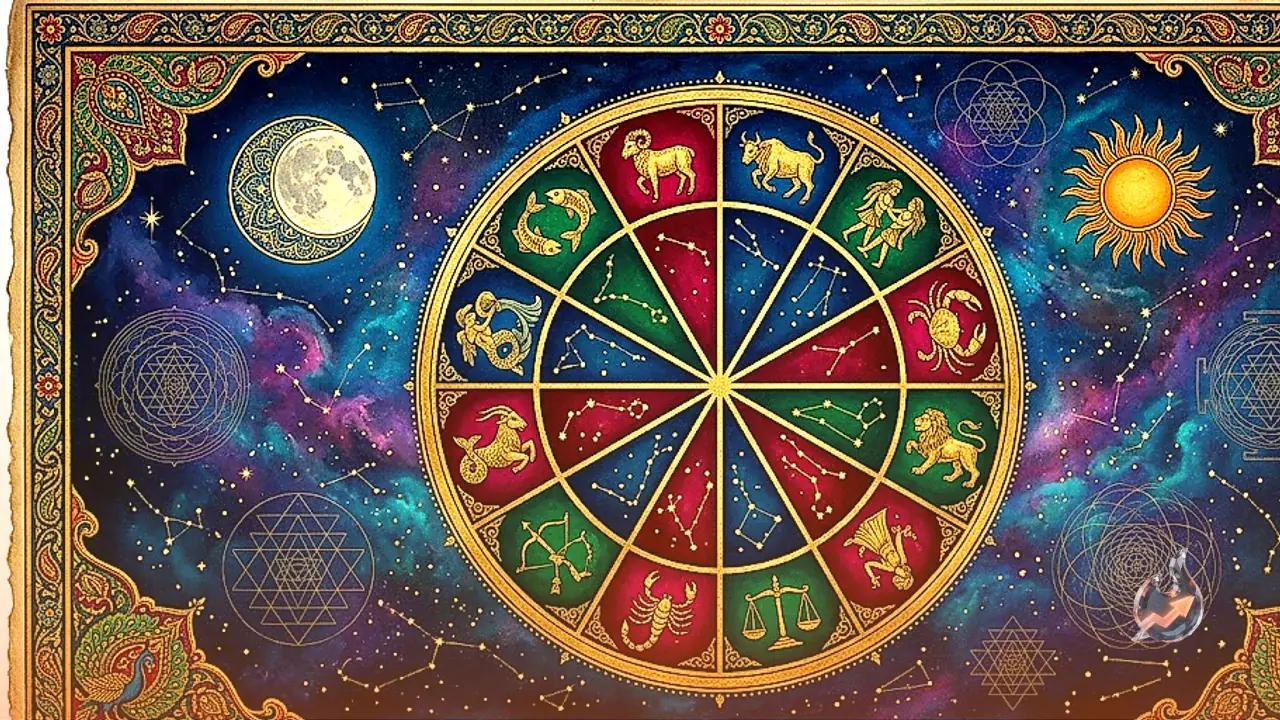
Pitru Paksha consistently commences on the Pratipada of the dark fortnight of Ashwin and concludes on Amavasya, known as Sarva Pitru Amavasya. For the 2026 calendar, the observance runs from 27 September to Saturday, 10 October. A notable astronomical variation occurs this year: due to tithi kshaya, the full sequence of sixteen days of ancestral observances will be condensed across fifteen calendar days. Consequently, the shraddha rites for both Chaturthi and Panchami tithis will be observed together on 30 September. Astrological principles dictate that rites should align with the exact lunar day on which an ancestor passed away; however, when the precise date remains unknown, scriptures prescribe performing the offerings on Sarva Pitru Amavasya.