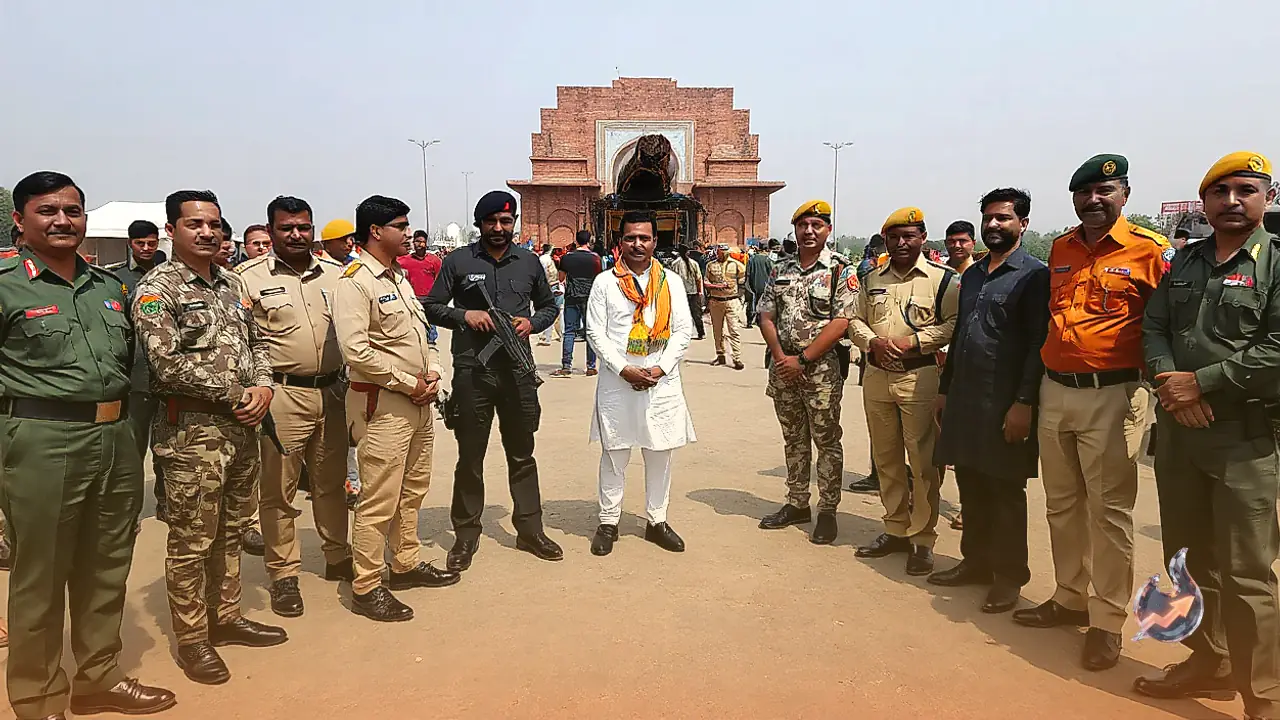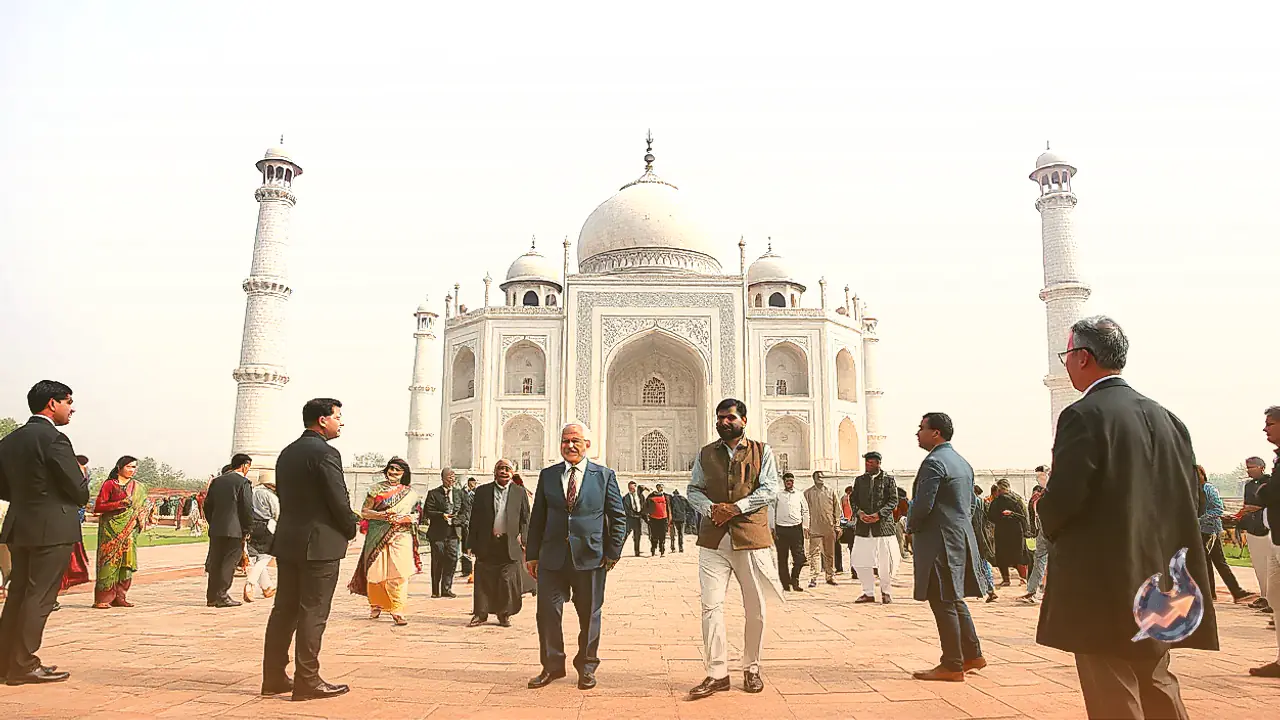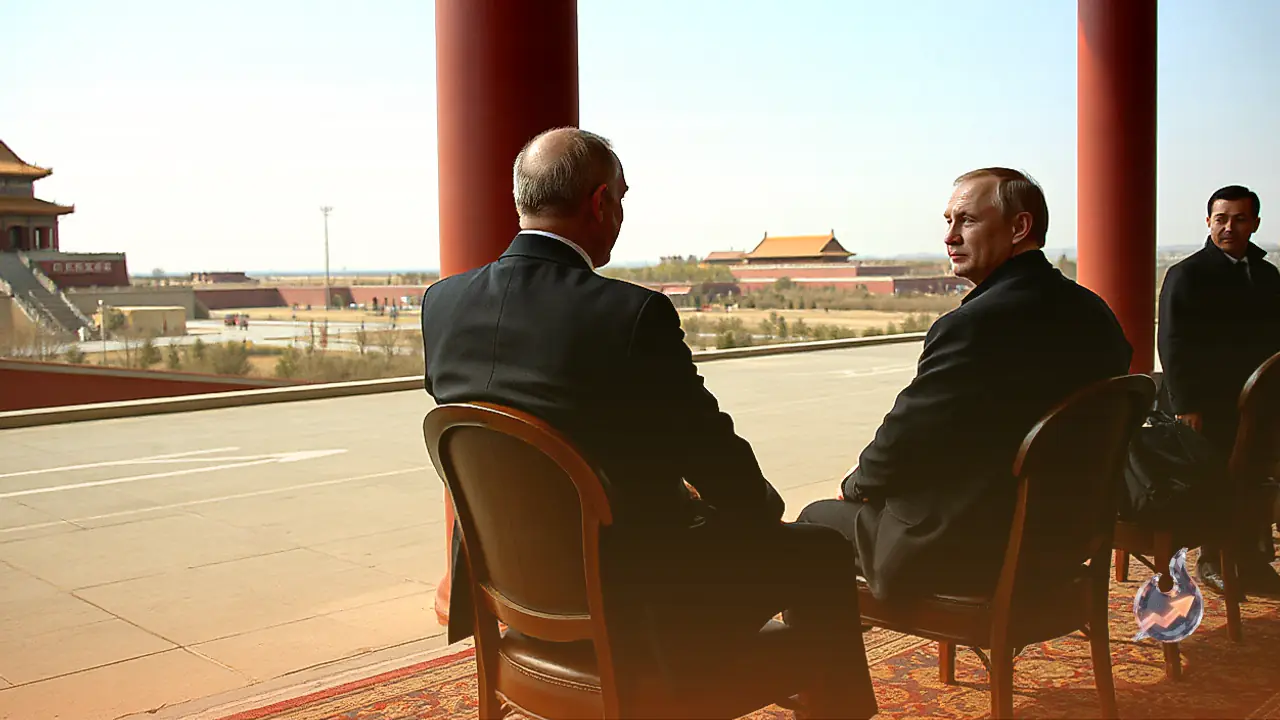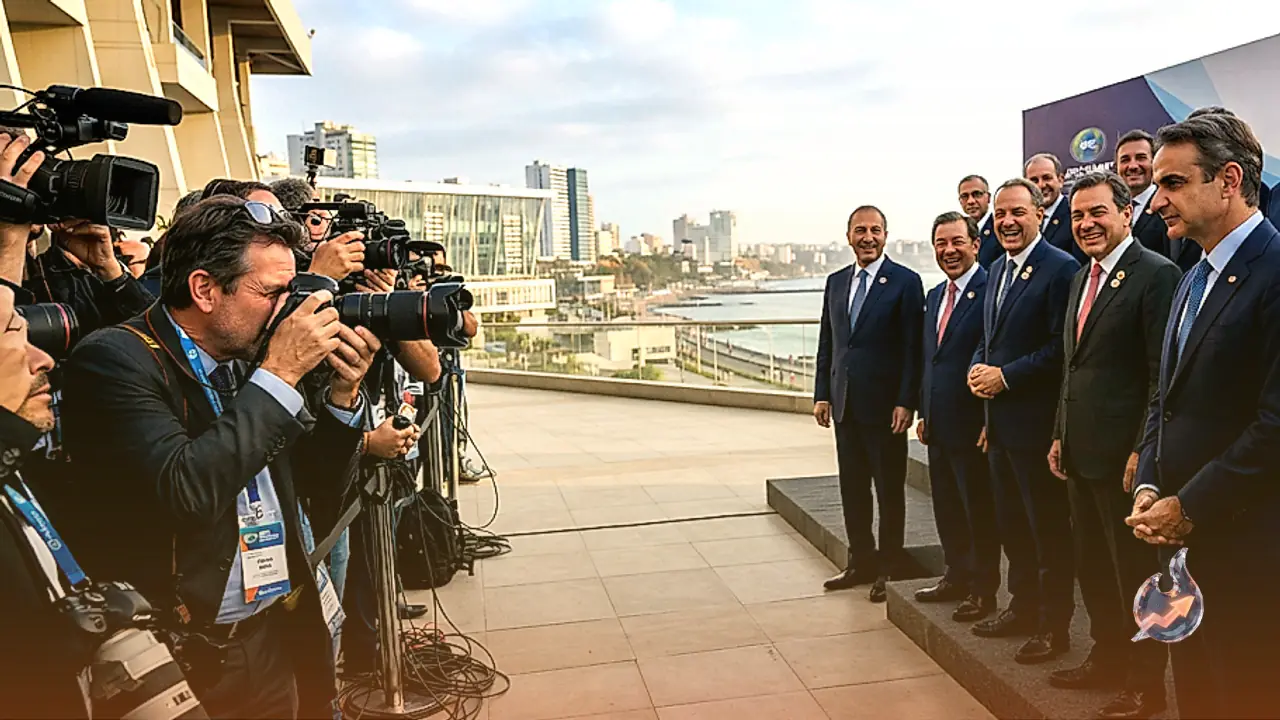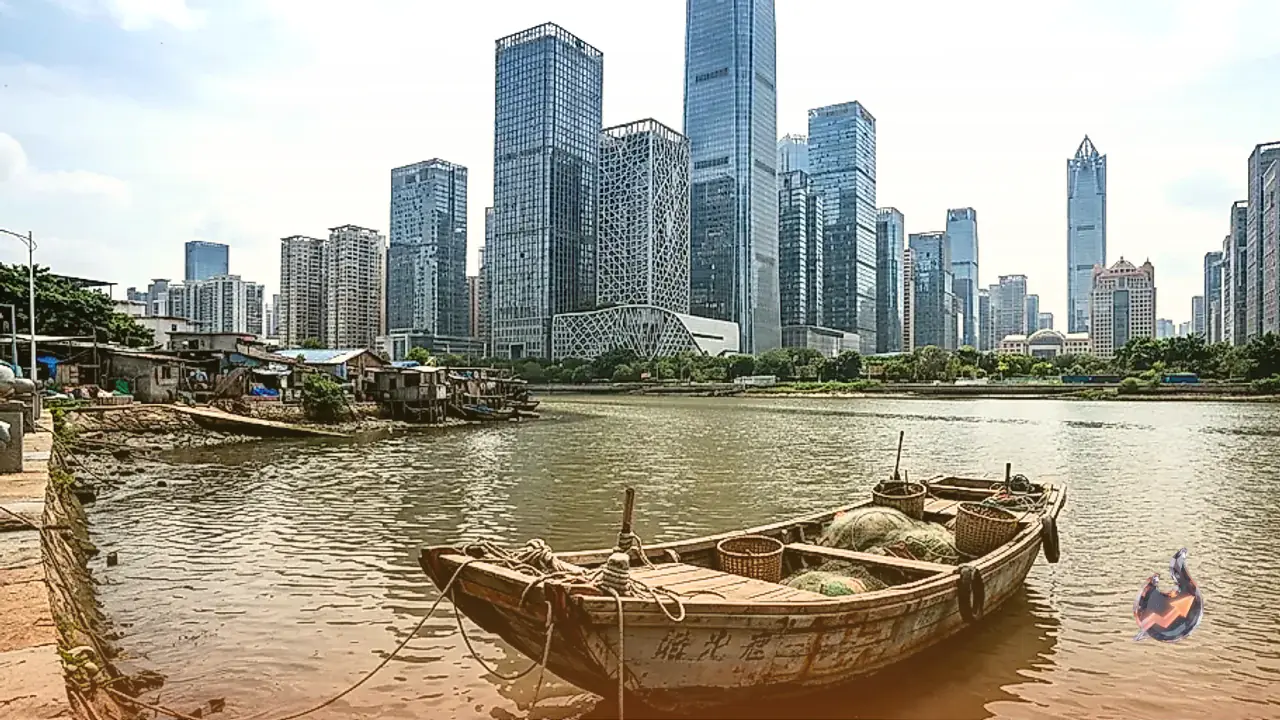

Journalists covering the American president's recent visit to China encountered severe restrictions that have sparked renewed scrutiny. As the delegation prepared to depart from Shenzhen for the United States, White House officials seized all mobile phones from reporters prior to boarding Air Force One. In a separate incident during the same tour, a television correspondent was barred from covering a high-level summit after shouting a question concerning the former head of Nvidia. These twin developments have reignited discussions regarding press freedom in China and the tight controls frequently imposed on media during presidential overseas missions.
Why Devices Were Confiscated During The Return From Shenzhen
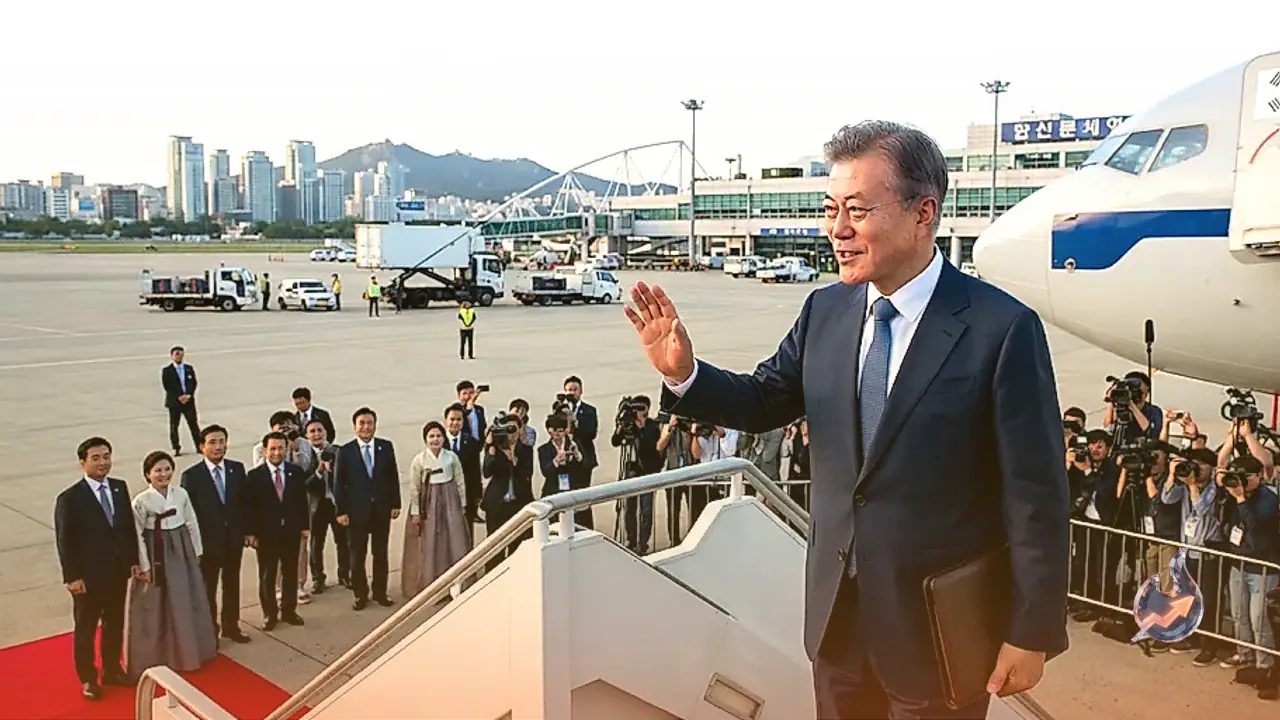
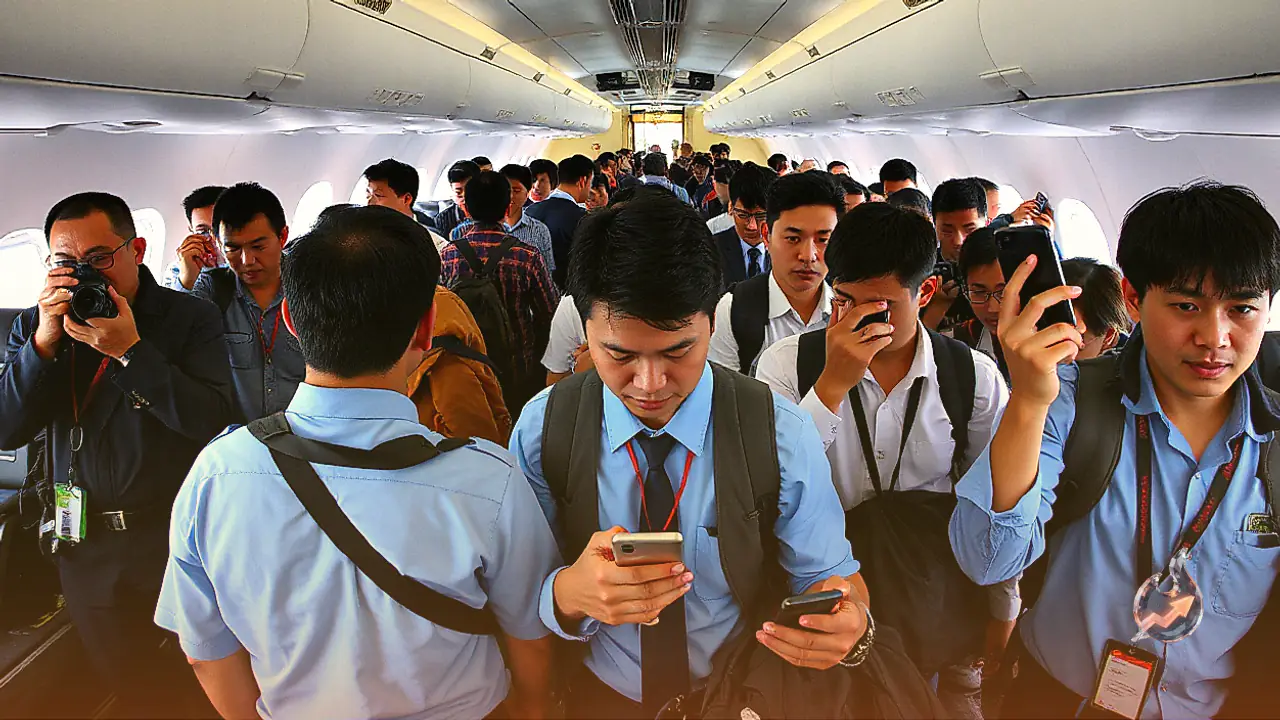
The seizure took place on November 19, 2026, as Trump was heading back to the United States from Shenzhen. Before the aircraft took off, White House staff instructed reporters to hand over their mobile devices. According to messaging shared within the press pool, the precaution was implemented strictly for security reasons. Concerns typically center around the threat of digital espionage and data theft while operating within Chinese networks. American officials harbor ongoing anxieties that devices exposed to local infrastructure could harbor covert surveillance mechanisms. Consequently, accompanying US officials utilized temporary communication devices known as burner phones rather than their standard mobile units throughout the trip.
These temporary devices are designed for short-term use to protect personal accounts and sensitive communications from potential compromise. Additionally, reporters were directed to store their personal hardware inside specialized containers called Faraday bags. These protective pouches effectively isolate the electronics from cellular, Wi-Fi, and Bluetooth signals, neutralizing any risk of remote data transmission or interception. Officials assured the press corps that the gear would be returned upon landing in the United States. Nevertheless, the mass collection of devices fuelled speculation over whether the presidential aircraft might make an unannounced stop in another nation. Particular attention focused on potential speculation that Trump might attempt a meeting with North Korean leader Kim Jong Un during his Asian tour, though the flight ultimately returned directly to the US without detours.
Precedents For Seizing Media Equipment On Sensitive Trips
The confiscation of reporter electronics during high-security presidential journeys has historical precedents. In 2003, George W. Bush made an unannounced visit to American troops stationed in Iraq. Security protocols at the time mandated that accompanying journalists surrender their mobile phones, pagers, and other electronic gadgets. Similarly, during a Christmas trip in 2018, Trump visited the Al-Asad Air Base in Iraq unexpectedly. To maintain the utmost operational secrecy of the itinerary, journalists were barred from utilizing their mobile devices.
In 2019, during a surprise visit by Trump to the Bagram Air Base, smartphones and signal-transmitting hardware belonging to everyone aboard Air Force One were similarly impounded. Media personnel had to wait at least two hours following the president's arrival before their equipment was restored. Furthermore, during a prior visit to China in May 2026, American staff exercised extreme caution by disposing of locally provided identification badges, lapel pins, and temporary White House staff phones into a trash receptacle, though personal journalistic devices were not collected in the exact same manner on that occasion.
The Incident Involving Jensen Huang And The Blocked Reporter
A separate flashpoint during the tour drew intense attention from the American media corps. Bloomberg TV reporter Annmarie Hordern addressed President Trump during a meeting with Xi Jinping, shouting a question regarding former Nvidia CEO Jensen Huang. She asked whether the prominent executive had acted disloyalty toward the United States. Rather than providing a substantive reply, Trump simply responded by expressing gratitude. President Xi glanced toward the press area but offered no verbal comment. Moments later, a Chinese security official intervened by stepping directly in front of the camera recording the exchange to block the shot.
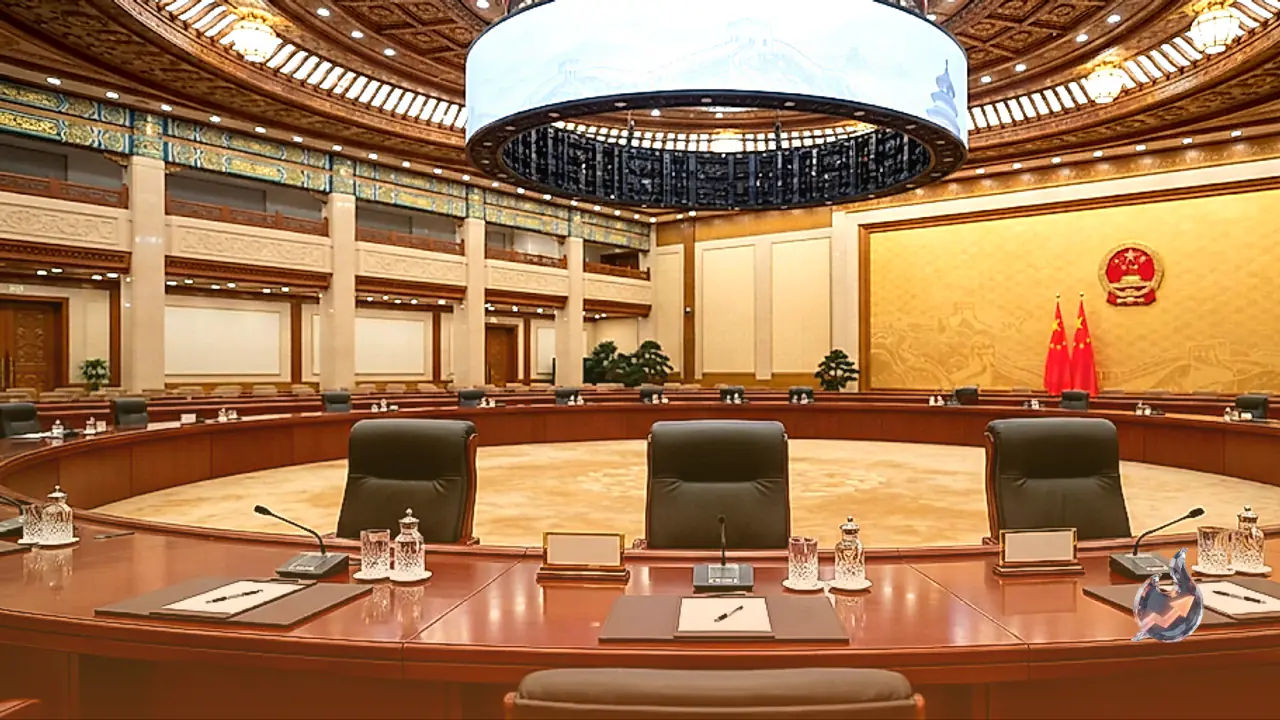
Following this confrontation, Hordern was excluded from entering the room where the trilateral discussions involving Trump, Xi, and Putin were taking place. According to accounts circulated within the media pool, White House representatives actively lobbied to have her credentials reinstated for the meeting, but Chinese authorities remained firm in their refusal. Messages distributed among the reporters indicated that local officials had previously issued warnings regarding the manner in which questions were posed.