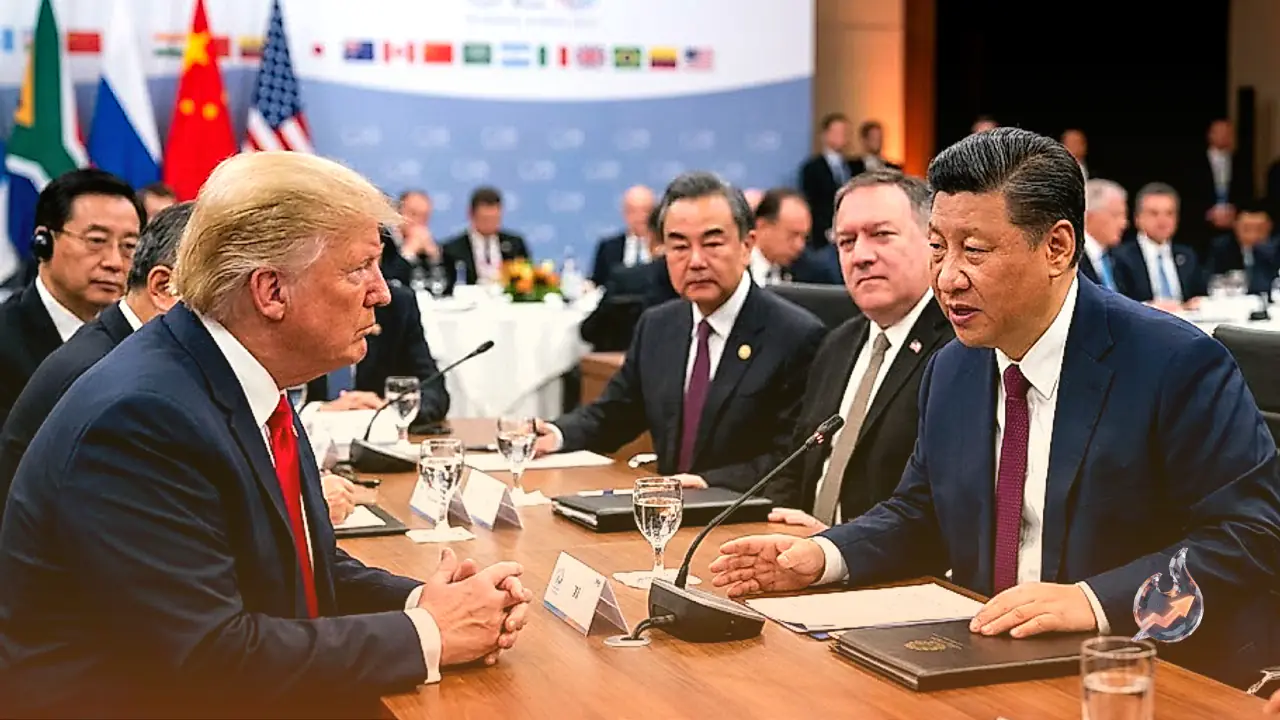























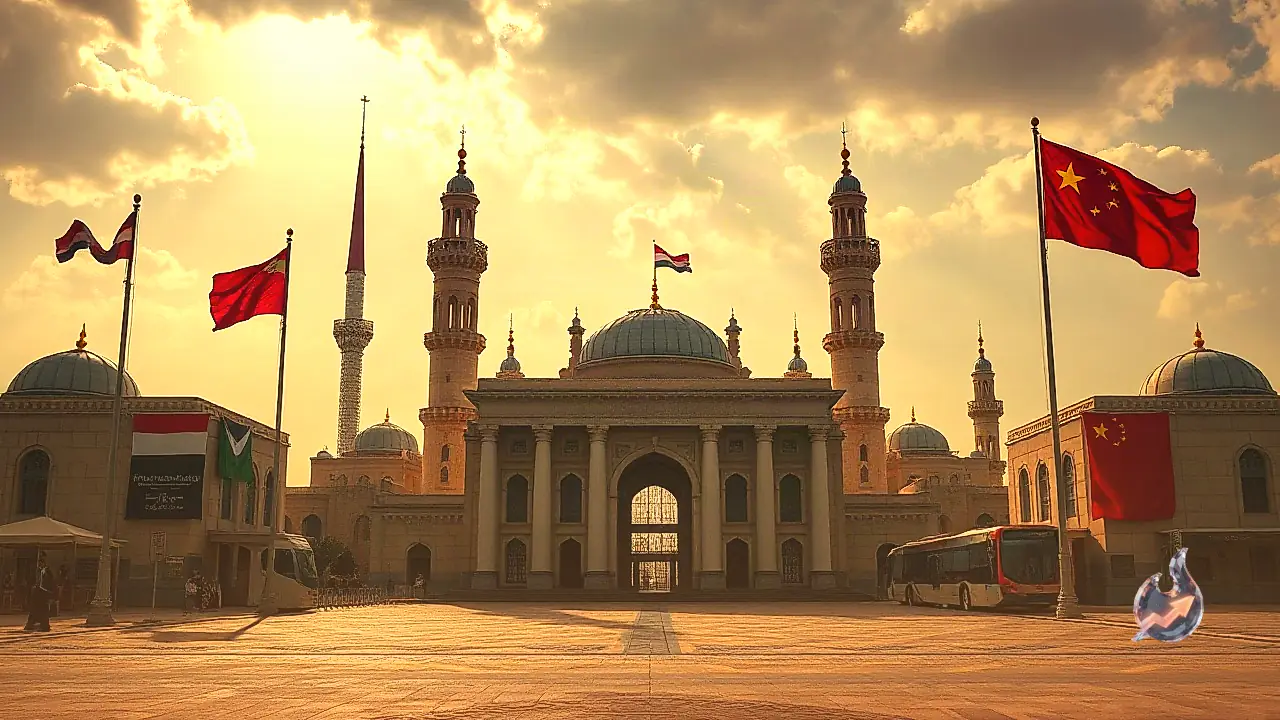

Diplomatic dynamics in West Asia have taken a striking turn as maritime conflicts expand across critical shipping corridors. Amid persistent fighting between Yemeni Houthi fighters and Saudi Arabia, Riyadh has bypassed its long-standing Western defense partner, the United States, and reached out directly to China for diplomatic intervention. In response to this direct plea, Beijing has privately contacted authorities in Iran, urging Tehran to exercise its influence over the Houthis and de-escalate hostilities across the Red Sea and the Bab al-Mandab Strait. While Chinese officials publicly maintain a stance calling for restraint and peaceful dialogue, confidential diplomatic channels have carried a firm and urgent appeal directly to Tehran.
Downed Fighter Jet Claims and Rising Frontline Clashes
Over the past week, Houthi fighters have made rapid military advances near the Red Sea coast and around the Bab al-Mandab Strait. This swift tactical expansion has escalated alarms in Riyadh regarding the vulnerability of its commercial shipping operations and primary crude export lifelines. Both sides have stepped up cross-border strikes against each other's positions, with Houthi forces claiming to have successfully brought down a Saudi F-15 combat aircraft. The loss of aircraft and rising drone and missile risks pushed the kingdom to seek rapid foreign mediation to ensure its territorial and maritime security.
The Secret Washington Agreement That Shifted Saudi Calculus
Riyadh's strategic pivot toward Beijing followed a secretive direct meeting between United States officials and Houthi representatives. Disclosures surrounding that closed-door session revealed an understanding between Washington and the rebel leadership. Under the terms of this arrangement, the Houthis agreed to halt assaults directed against American vessels navigating the Red Sea, in exchange for the US military pausing airstrikes and operations against Houthi assets inside Yemen. With Washington securing an isolated shield for its own naval transit, Saudi Arabia looked toward Beijing to protect wider regional shipping and regional energy infrastructure.
Tehran Ties Maritime Calm to Wider War Against Israel
Tehran's reaction to Beijing's quiet intervention laid bare deep ideological and regional complexities. Iranian officials responded by stating that lasting security and stability across the area can only materialize once the ongoing war involving the United States and Israel is brought to an end. While Beijing pressed for immediate control over rebel operations, Tehran firmly anchored the maritime disturbances to the broader confrontation across West Asia. Notably, China stopped short of issuing direct economic ultimatums to Iran. The Chinese Foreign Ministry underscored that it does not want to see regional tensions engulf Yemen and the Red Sea, reiterating its respect for all nations' territorial sovereignty and advocating negotiated political solutions.
Simultaneous Sea Chokepoints Threaten Chinese Energy Supplies
The urgency behind Beijing's engagement stems from a severe dual squeeze on global waterways. Commercial navigation through the Strait of Hormuz remains constrained due to ongoing confrontations between Iran and the United States, while Houthi targeting continues to disrupt passage through the Red Sea and Bab al-Mandab. If both strategic channels face long-term transit blockades, international freight rates and crude oil transport will experience unprecedented strain. As the world's second-largest economy, China depends heavily on Gulf fuel imports to sustain its industrial output, making continuous access to these maritime passages a matter of primary economic survival.
Iran Oil Dependency Versus 300 Billion Dollar Gulf Commerce
Beijing faces a delicate geopolitical balance in navigating competing regional loyalties. In 2025, China purchased over 80 percent of Iran's total maritime crude oil exports, providing Tehran with critical revenue. Simultaneously, China's yearly bilateral commerce with member states of the Gulf Cooperation Council stands near 300 billion dollars. Chinese leadership must now carefully balance its close strategic and energy partnership with Tehran against its massive trade volumes and economic relationships with the Arab Gulf states.
Building on the 2023 Detente for a Tougher Test
China holds prior diplomatic capital in navigating Gulf rivalries. In 2023, Beijing facilitated the historic agreement that restored official diplomatic relations between Saudi Arabia and Iran after years of bitter division. However, containing the Yemeni conflict and safeguarding the Red Sea poses a much tougher practical test. Analysts are closely watching whether Beijing will rely solely on soft diplomatic requests or ultimately leverage its substantial oil purchases and financial clout to compel concrete de-escalation from Tehran.