





















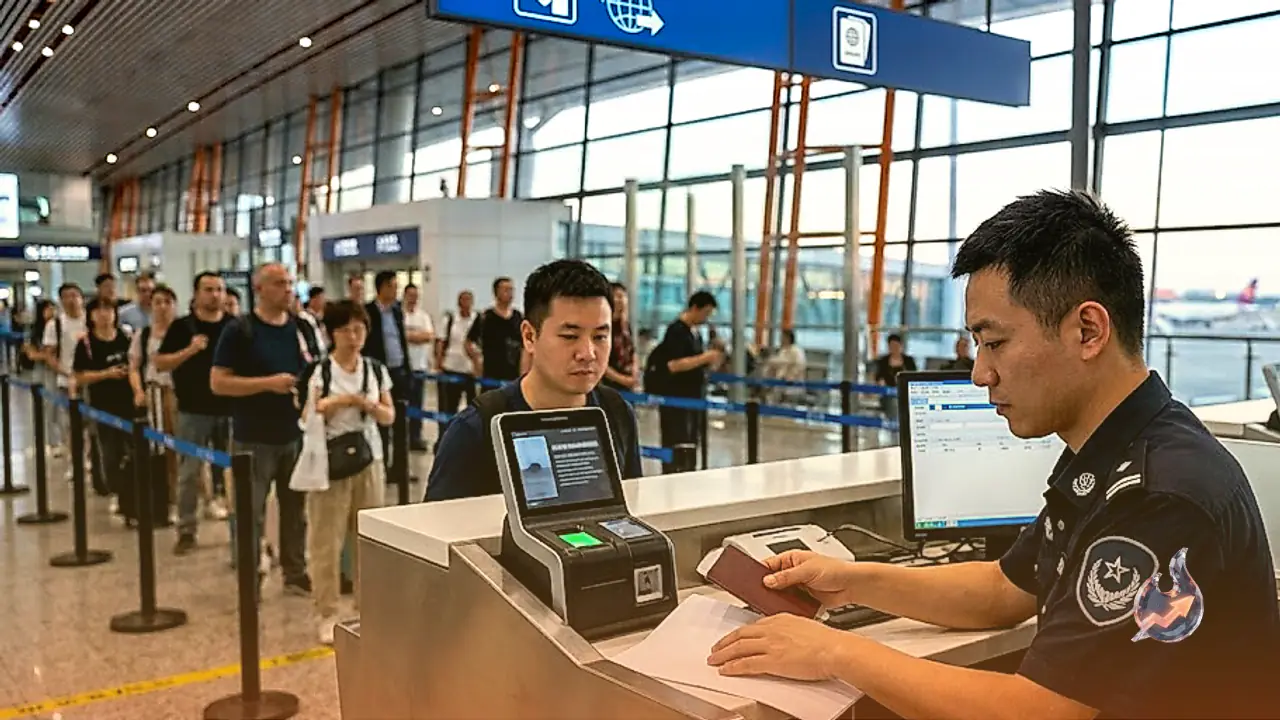

The Chinese government has announced significant revisions to its entry and exit rules, aiming to tighten border security and prevent sensitive technological knowledge from leaving the country. Chinese authorities have prepared a comprehensive regulatory package designed to fortify border administration and protect state security. The new provisions are set to come into force officially on September 15, 2026. While appearing to be an administrative update on the surface, the core focus of this policy rests on escalating global technology rivalries, safeguarding strategic domestic industries, and protecting trade secrets.
A 19-Article Framework and Tighter Regulations
Issued by China's State Council, the newly formulated 19-article decree gives immigration and border security officials expanded authority over individuals leaving the country. Under the rules, authorities can question outgoing travelers directly about their specific motives, request supplementary documentation, and conduct thorough background checks on applications. Departure can be blocked immediately if officials suspect an individual might breach regulations regarding sensitive technologies, proprietary industrial information, or export control laws. Furthermore, travel agencies facilitating overseas trips are now mandated to complete official registration with state regulatory bodies and follow stringent compliance guidelines.
The Tech War and Securing Strategic Assets
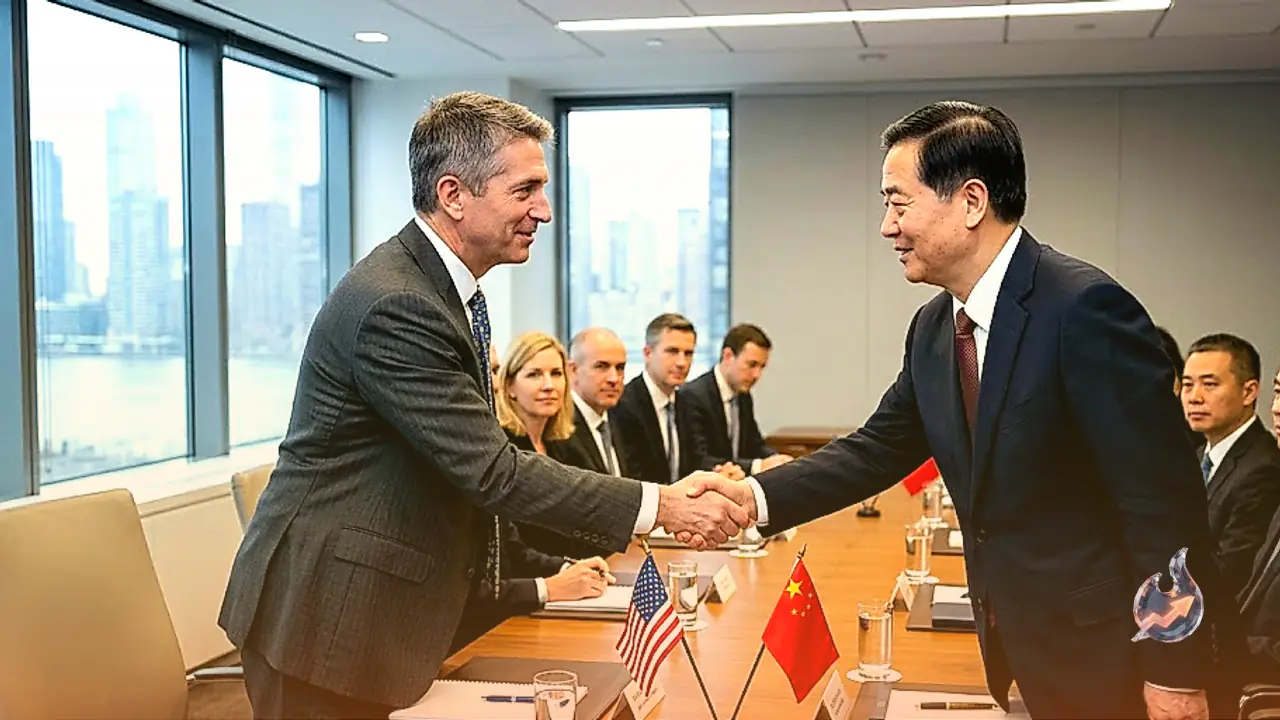
This policy response arrives amid prolonged high-tech friction between the United States and China. Washington has previously imposed strict limits on exporting semiconductors, artificial intelligence systems, and advanced microchips to Chinese firms. In response, Beijing placed strategic export controls on rare earth elements, advanced battery tech, and related critical sectors. Authorities in Beijing fear that experienced scientists, engineers, and technical researchers could move abroad and transmit proprietary intellectual property to foreign competitors. Legal commentators in China emphasize that national security remains the overarching priority, meaning even preliminary suspicion can justify restricting an individual's international travel.
Impact on Japan, the US, and Global Industries
Although the regulation refrains from naming specific destinations, Chinese officials indicated that citizens will be formally advised regarding travel to designated high-risk locations. Japan ranks prominently among these destinations due to underlying diplomatic and strategic tensions. Tensions over Taiwan, maritime disputes in the East China Sea, and economic competition have strained relations between Beijing and Tokyo, likely reducing the flow of Chinese tourists, students, and professionals traveling to Japan. Similarly, researchers and engineers moving between China and Western nations, including the United States, will encounter greater scrutiny. Given China's dominant role in electric vehicles, solar infrastructure, battery manufacturing, and rare earths, restrictions on knowledge exchange could stall multinational research initiatives and joint venture projects.