


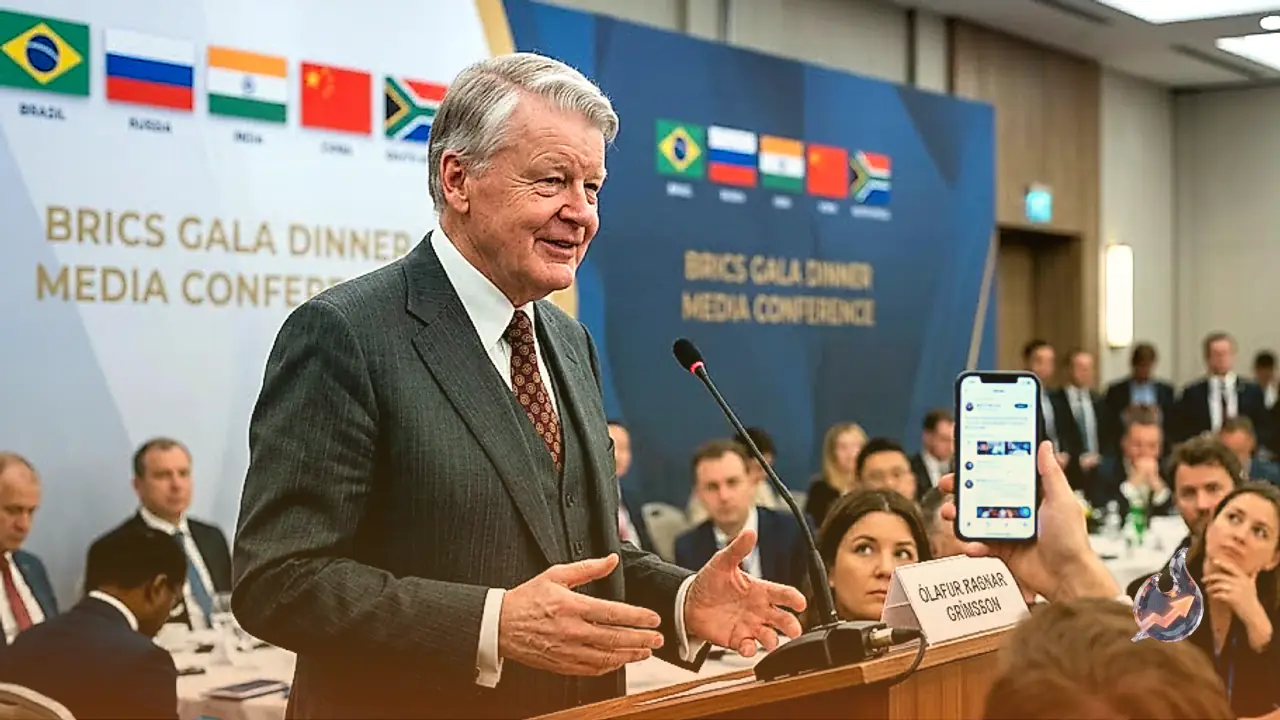




















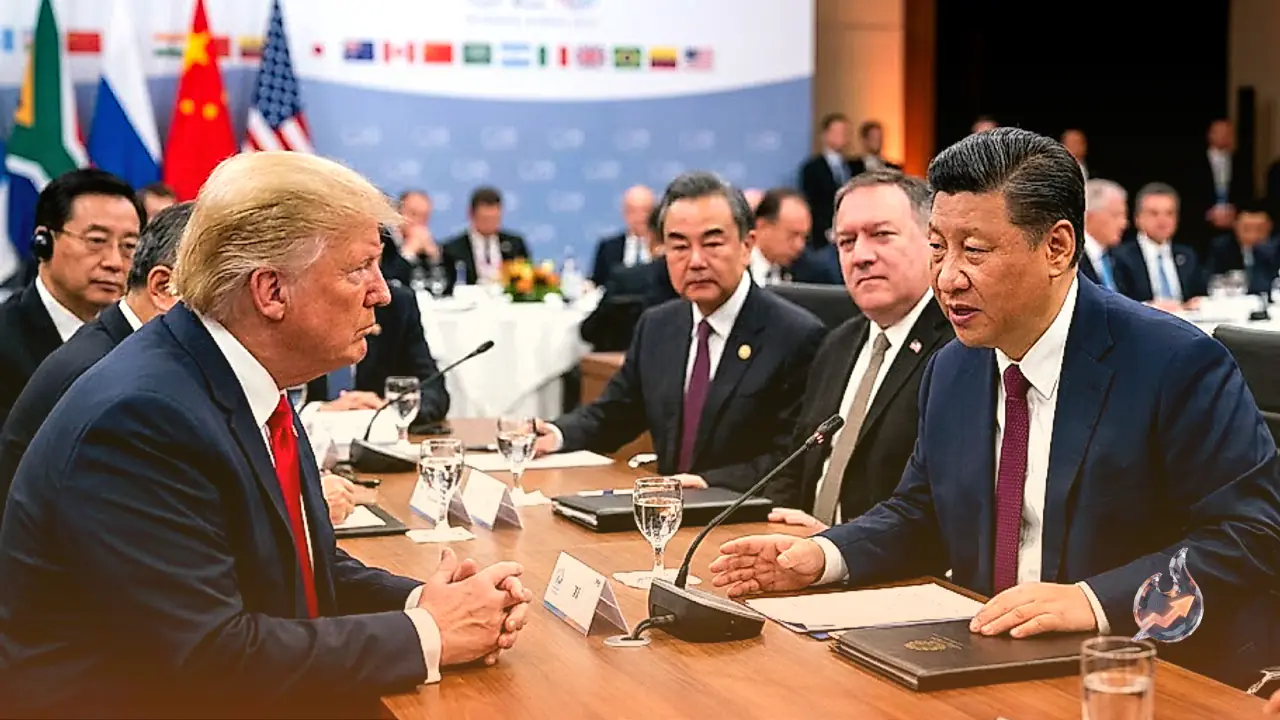

Immediately after concluding his visit to New Delhi for the 18th BRICS Summit, Chinese President Xi Jinping has presented a major diplomatic ultimatum to the United States. Beijing has warned the administration of Donald Trump that any fresh approval of weapons shipments to Taiwan could lead to the immediate cancellation of the highly anticipated bilateral meeting scheduled at the White House on September 24.
The High-Stakes Choice for Washington
This warning has effectively forced Trump into a difficult corner, presenting a direct choice between continuing military support for Taiwan or preserving critical diplomatic engagement with Beijing. While neither the Chinese nor the US governments have made any formal public announcements regarding the potential cancellation, sources familiar with the matter indicate that Beijing has communicated its position clearly, declaring Taiwan an absolute red line.
The upcoming meeting on September 24 at the White House was slated to be the third face-to-face interaction between Trump and Xi within a single year. However, the recurring dispute over Taiwan’s sovereignty continues to cast a long shadow over these bilateral talks.
The Core Dispute and the Red Line
China maintains that Taiwan is an inseparable part of its national territory and has consistently advocated for eventual unification, refusing to rule out the use of military force to achieve this objective. On the other hand, the United States remains the most vital political and military ally of Taiwan, regularly supplying defensive hardware to the island. Beijing views these arms transactions as a direct violation of its sovereignty and national security, treating any US involvement in Taiwan's defense as a hostile act.
A History of Firm Warnings
This robust stance from the Chinese leadership is not a sudden development. During a bilateral meeting held in Beijing in May, Xi had explicitly warned Trump that the issue of Taiwan remains the most sensitive and critical element in US-China relations. He cautioned at the time that any mishandling of this delicate situation could trigger direct confrontation between the two global powers, a warning that is now manifesting as a threat to scrap the upcoming White House talks.
Xi's Indian Visit and the Shift in Focus
This diplomatic escalation occurred immediately after Xi concluded his stay in New Delhi, where he participated in the 18th BRICS Summit and held bilateral discussions with Indian Prime Minister Narendra Modi. Marking his first visit to India in seven years, the summit was seen as a key moment for regional cooperation. However, as soon as the Chinese leader departed from Indian soil, the geopolitical focus instantly shifted toward the intensifying friction between Washington and Beijing over Taiwan.