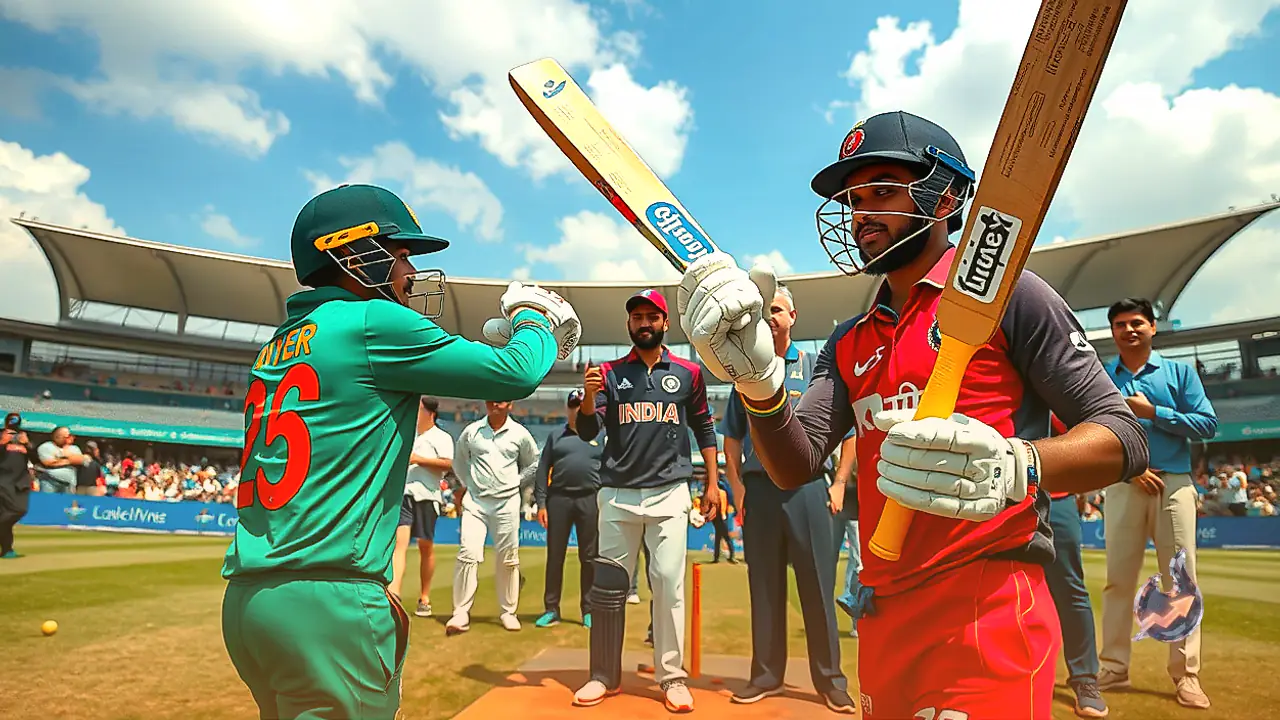

















The journey of Ajit Agarkar as the chairman of the senior selection committee has reached its conclusion, with the Board of Control for Cricket in India inviting fresh applications for the vacant role. Operating in one of the most scrutiny-laden positions in Indian sport, the chief selector operates under constant public observation where triumphs and omissions are weighed with equal intensity. Agarkar's administrative stint stood out for its high-profile developments, navigating major tournament conquests alongside dramatic transitional shifts among established superstars. With his tenure ending on 4 October, the leadership dynamics of Indian cricket enter a new operational phase following weeks of intense speculation regarding an extension.
Gautam Gambhir Commends Resolute Team-First Approach
Head coach Gautam Gambhir stepped forward on Wednesday to acknowledge the dedication of the departing chief selector, stating that history will be kinder to an administrator who constantly put the team before individual interests. Gambhir emphasized that securing three ICC trophies during Agarkar's leadership serves as definitive evidence of his firm resolve and commitment. Characterizing their working relationship as an absolute honour, the coach expressed sincere wishes for his subsequent ventures. This supportive reflection arrived right after the governing body officially initiated the search for a successor on Tuesday, terminating widespread conjecture regarding a continuation of Agarkar's mandate.
Three ICC Titles Amid Selection Debates
Under Agarkar's supervision, the Indian men's cricket team enjoyed an exceptional sequence of silverware on the international stage. The squad secured the 2024 T20 World Cup, followed by the 2025 Champions Trophy, and concluded the cycle by retaining glory in the 2026 T20 World Cup. Despite this enviable track record of tournament wins, public debates frequently questioned the functional dynamic between the selection panel and team management. Critical voices often wondered whether key strategic calls originated organically from the selection room or if decisions simply matched the tactical wishes of the coaching staff, though Agarkar remained determined in implementing his designated roadmaps.
Navigating Red-Ball Transitions and High-Profile Exits
The defining element of Agarkar's period was an unavoidable generational transformation in the senior locker room. Premier icons Virat Kohli and Rohit Sharma stepped away from both T20 and Test formats, creating major strategic voids in the traditional setups. Simultaneously, long-serving red-ball stalwarts including Ajinkya Rahane, Cheteshwar Pujara, and R Ashwin announced their departures from the longest format of the game. Agarkar faced persistent scrutiny for his lack of clarity regarding whether Rohit Sharma and Virat Kohli featured in future blueprints for the 2027 ODI World Cup, a factor seen as instrumental in the administration's choice against extending his agreement.
Red-Ball Concerns and Unresolved Issues Lead to Separation
Operational challenges and controversies also cast a shadow over the closing stages of this tenure. The management of fast bowler Mohammed Shami's situation attracted scrutiny, contributing to perceptions of mishandled communication within the selection setup. Furthermore, a declining competitive trajectory in Test cricket combined with makeshift squad planning forced the BCCI to reassess its long-term strategy. Consequently, the board determined that a fresh approach was necessary at the helm of the selection committee, formally concluding Agarkar's association with Indian cricket leadership.