






















In the sporting realm, an athlete's physical build is frequently viewed as a decisive advantage, but cricket stands out as a discipline where technical expertise, mental fortitude, and tactical sharp-mindedness outweigh sheer height. While formidable, tall fast bowlers naturally command attention by leveraging their leverage to generate frightening bounce and raw pace, players with shorter statures have equally left an indelible mark through agility and precise technique. Throughout international cricket history, two players situated at absolute opposite ends of the physical height spectrum showcased how unique physical traits can be transformed into defining strengths on the highest stage.
Kruger van Wyk: Turning Minimal Height into Maximum Efficiency
In the annals of international cricket, New Zealand wicketkeeper-batter Kruger van Wyk holds the official record as the shortest player to ever play the game. Born in South Africa, he initially developed his skills in the South African domestic circuit, delivering consistent performances with both the bat and behind the stumps. However, his path to the national side was effectively blocked by the presence of legendary wicketkeeper Mark Boucher, whose place in the South African lineup was rock solid for over a decade. Realizing that opportunities would remain scarce in his homeland, van Wyk made the strategic decision to relocate to New Zealand in search of international exposure.
His perseverance yielded results in 2012 when Kruger van Wyk earned his Test debut for New Zealand. Standing behind the stumps, his short stature immediately caught the eyes of spectators and commentators alike. Yet, he answered any doubts with remarkable quickness, flawless glovework, and gritty batting resolve. Van Wyk went on to represent New Zealand in 9 Test matches, compiling a respectable batting average of over 31. His international career served as a clear testament that passion, technique, and courage matter infinitely more than physical stature in elite competition.
Mohammad Irfan: From Pipe Factory Worker to International Bowling Threat
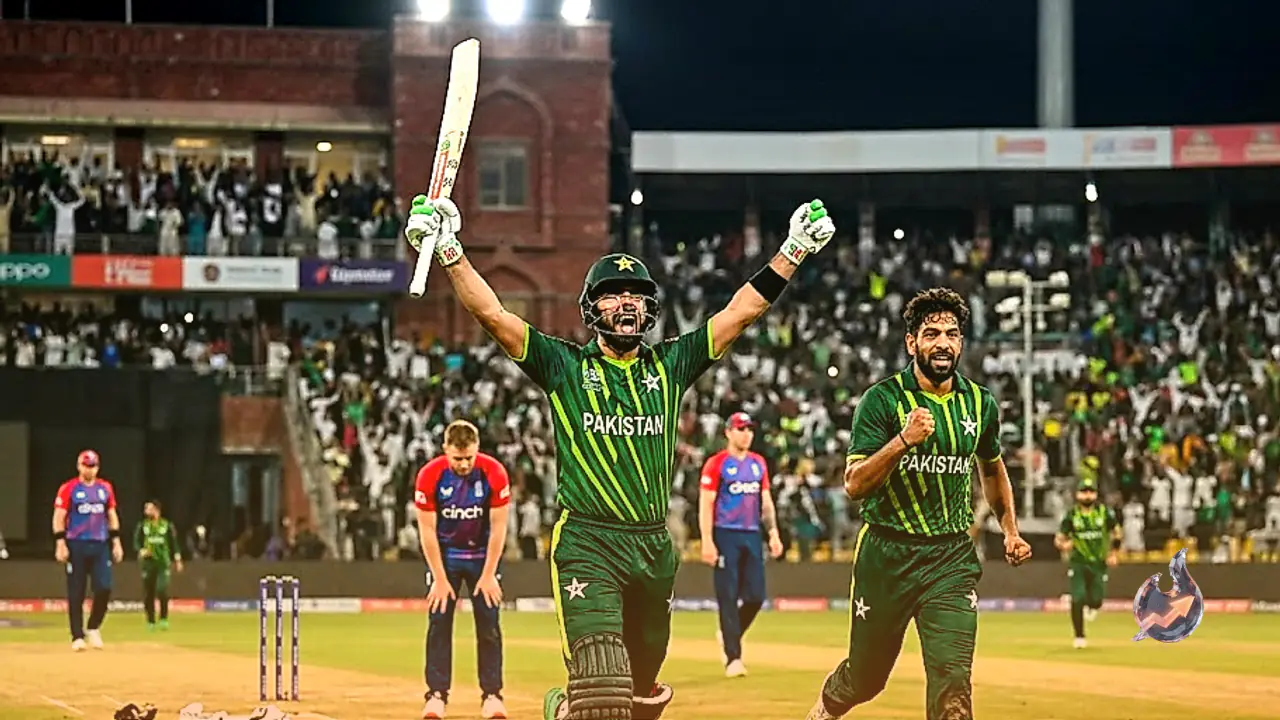
At the opposite end of the spectrum stands Pakistani left-arm pace bowler Mohammad Irfan, recorded as the tallest player in international cricket history. Standing at a colossal 7 feet 1 inch, his delivery trajectory presented an extraordinarily difficult challenge for batsmen around the globe. Irfan's rise to the top of international cricket resembles an extraordinary narrative of resilience. Before making his mark on the game, he faced extreme financial hardship, working long hours in a pipe factory just to earn a basic living and support his daily expenses.
Everything shifted when talent scouts recognized his rare bowling potential coupled with his towering height. Measuring 7 feet 1 inch, Irfan possessed a natural ability to extract steep, awkward bounce from virtually any pitch condition. As he thundered down his long run-up, the ball seemed to descend from the sky due to his exceptionally high release point, leaving batsmen struggling to adjust their footwork. Irfan successfully harnessed this physical characteristic as his greatest weapon, eventually representing Pakistan across all three formats, including Tests, ODIs, and T20s, while regularly troubling top-order lineups worldwide.
A Celebration of Diversity and Determination in Sport
The contrasting careers of Kruger van Wyk and Mohammad Irfan illustrate the remarkable diversity inherent to cricket. Where van Wyk refused to let his short stature limit his ambitions, using quick instincts and low center of gravity to succeed in Test cricket, Irfan capitalized on his towering height to dominate opposing batters. Both cricketers stand as enduring examples that success on the global stage depends not on adhering to a physical stereotype, but on maximizing one's individual capabilities through dedication and hard work.