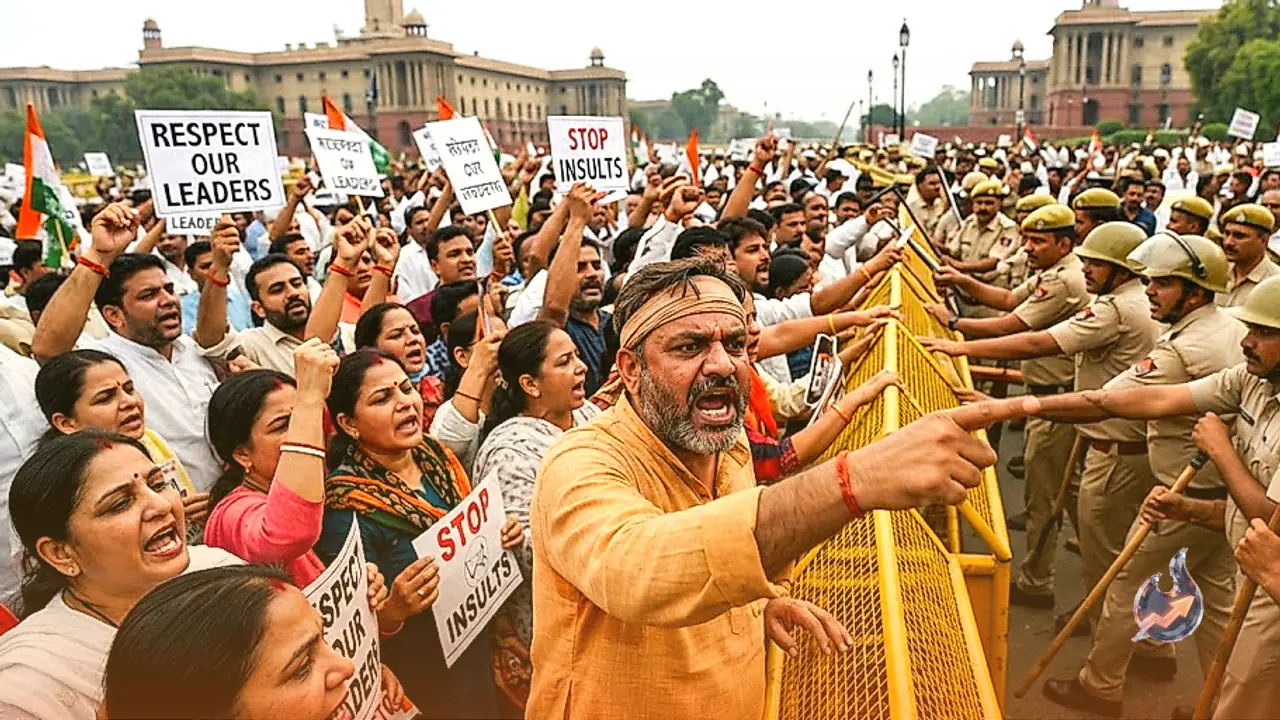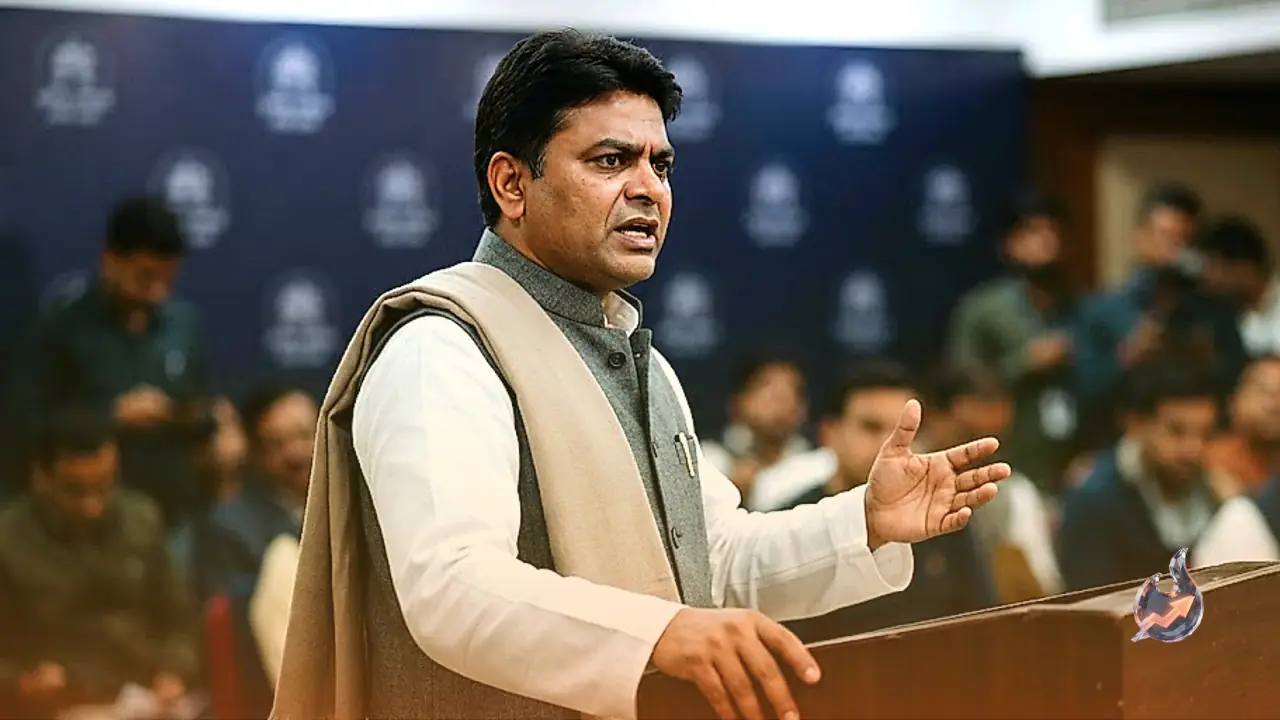
















Political friction has reached a peak in the national capital ahead of the planned November 1 rally by the Congress party. While Congress leadership and Rahul Gandhi are moving forward with mass mobilization efforts, local traders and business groups in Delhi have voiced grave concerns over the impact of such a massive gathering during the peak Diwali and Dhanteras shopping season. Simultaneously, an affidavit submitted by the Election Commission in the Supreme Court has challenged key narratives put forward by opposition leaders, adding a complex legal dimension to the ongoing political clash.
Traders Raise Severe Concerns Over Market Closures and Traffic Jam
The Chamber of Trade and Industry (CTI), a prominent business network in Delhi, has formally written to Congress President Mallikarjun Kharge and MP Rahul Gandhi requesting a postponement of the November 1 rally. Business owners argue that the period surrounding Dhanteras and Diwali accounts for the highest annual sales volume for wholesale and retail markets. Bringing an estimated 10 lakh people and around 20,000 vehicles into Central Delhi could completely paralyze the commercial ecosystem.
According to figures presented by CTI, the immediate vicinity of Ramlila Maidan lacks authorized parking for even 200 vehicles. Introducing 20,000 incoming transport vehicles risks causing severe traffic blockades spanning a 10-kilometer radius. Traders fear that if police barricades are put up starting October 31, access routes to major commercial centers will close, causing panic among shoppers. Approximately 20 major wholesale and retail markets surrounding Ramlila Maidan are projected to face direct disruption.
Trade representatives highlighted a previous incident on October 10 when a demonstration of merely 3,000 to 4,000 individuals at Jantar Mantar led to the sealing of Central Delhi routes. They argue that handling a gathering of 10 lakh people during the busiest shopping days of the year will cripple transport and commerce. Sanjeev Mehra, president of the Khan Market Traders Association, stated that staging mass protests during peak festive windows causes immense financial damage that ripples across retail, logistics, and manufacturing sectors.
Supreme Court Proceedings on Election Commission Affidavit
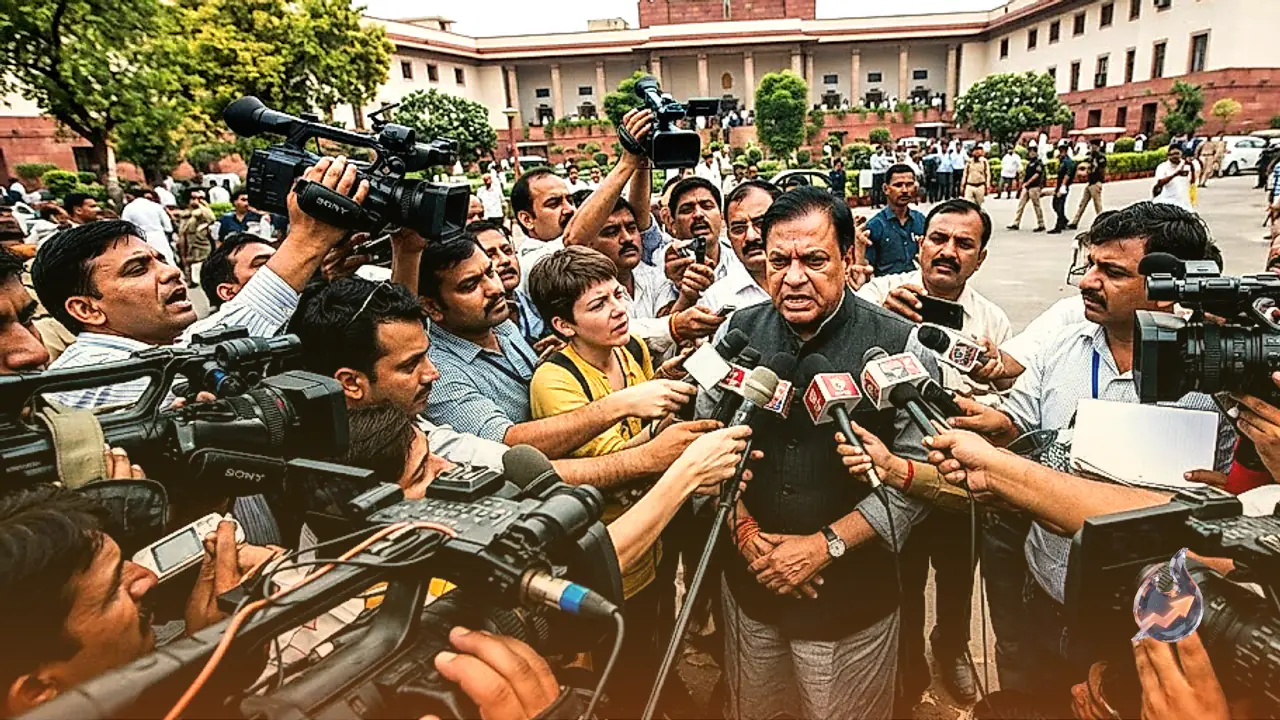
Parallel to the street-level pushback, significant developments unfolded in the Supreme Court regarding electoral procedure disputes. The Election Commission of India filed an affidavit confirming on record that all procedural determinations, including those related to Form 6 and the Special Intensive Revision (SIR), were finalized through mutual consultation and consensus. The filing aims to refute allegations that decisions were executed unilaterally.
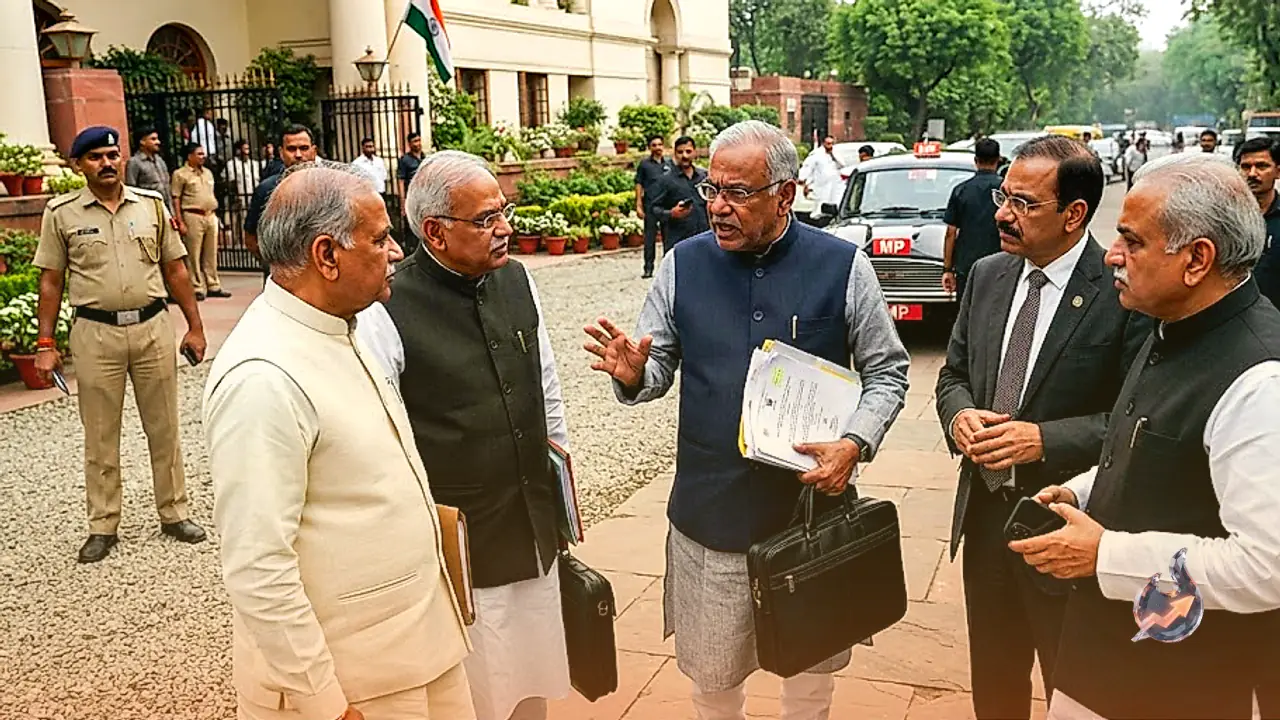
During court proceedings, senior advocate Abhishek Manu Singhvi, representing Rahul Gandhi and associated opposition alliance leaders, requested the bench to pass orders preserving internal file notings and communications of the Election Commission. Singhvi argued that inspecting these records would clarify whether the decisions were genuinely consultative or imposed independently. Responding to the request, the Chief Justice of India noted that the court remains fully aware of all aspects and will examine every relevant material.
Additionally, legal counsel representing Trinamool Congress MP Dola Sen alleged that the affidavit pointed toward procedural tampering regarding Form 6. Counsel for the Election Commission refuted this argument, describing it as baseless rhetoric similar to statements made outside the courtroom. The Supreme Court granted all participating parties a 10-day window to examine the EC affidavit and submit formal responses. The next hearing is slated to take place after Diwali on November 17.
Allies Distance Themselves from Controversial Political Rhetoric
The political narrative has been further complicated by sharp debates over public discourse. Following controversial remarks made by Congress President Mallikarjun Kharge concerning Prime Minister Narendra Modi's father, the Bharatiya Janata Party launched a counter-campaign, framing its political strategy ahead of future elections.
Crucially, several key opposition allies have publicly distanced themselves from the remarks. Samajwadi Party MP Ram Gopal Yadav openly expressed disagreement with the statement, emphasizing that senior leaders must maintain restraint in their vocabulary to prevent political discourse from deteriorating further. He warned that if top leadership uses harsh language, it becomes impossible to regulate lower-level party workers.
Bahujan Samaj Party chief Mayawati also shared her concerns on social media, expressing regret over what she described as the declining standards of Indian political debate. She observed that bitter language from top-tier leaders contributes to an increasingly toxic political environment and urged all parties to show greater restraint.