


















Tournaments featuring retired cricket stars have emerged as a complicated regulatory challenge for the sport's global administration. Andrew Ephgrave, head of the International Cricket Council (ICC) Anti-Corruption Unit (ACU), has highlighted that these competitions operate in a significant gray area. Because many of these events do not secure formal approval or institutional backing, they create notable reputational hazards for cricket, even while trading on the immense lingering popularity of former international icons.
Lack of Formal Sanction and NOC Oversight
Independent leagues built around former players frequently take place outside established governing structures. A substantial number of these competitions operate without formal sanction from domestic cricket boards, and they regularly proceed without obtaining a No Objection Certificate (NOC) from the ICC. While individual national boards may occasionally grant approval to select events, widespread inconsistencies leave vast swathes of this ecosystem operating without standard supervision.
Ephgrave, a former police officer in Britain, pointed out that the structural dilemma arises because the participating players are no longer bound by contemporary cricket contracts. While they no longer belong to the official competitive framework of active professionals, many still carry immense name recognition and public influence. When prominent figures take the field in unregulated tournaments, the commercial and public visibility remains high despite the absence of rigid compliance protocols.
Balancing Fan Nostalgia with Integrity Hazards
There is an undeniable commercial appetite driving these tournaments, centered primarily around supporters wishing to see childhood sporting heroes perform once again. However, this nostalgic appeal creates friction with integrity considerations. Addressing whether ongoing leagues pose a direct risk to the game's reputation, Ephgrave acknowledged the distinct possibility of damage, while observing that these competitions often occupy a space akin to exhibition cricket or festival-style fixtures.
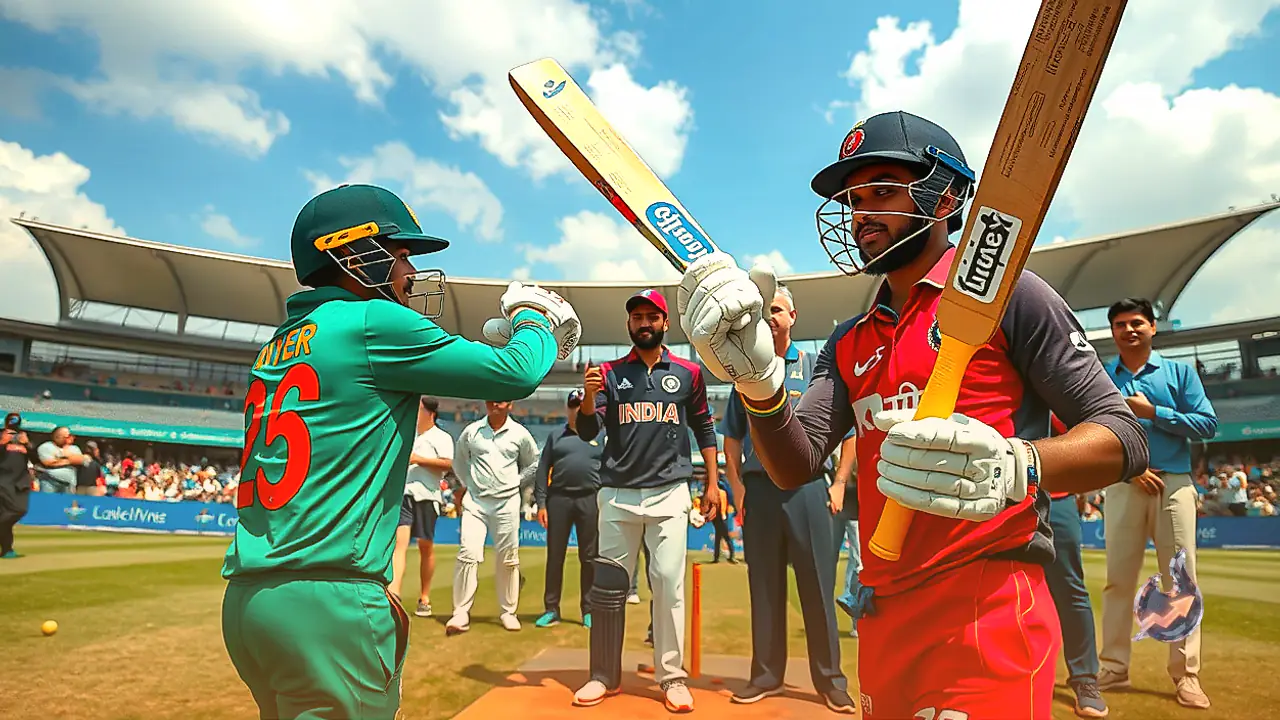
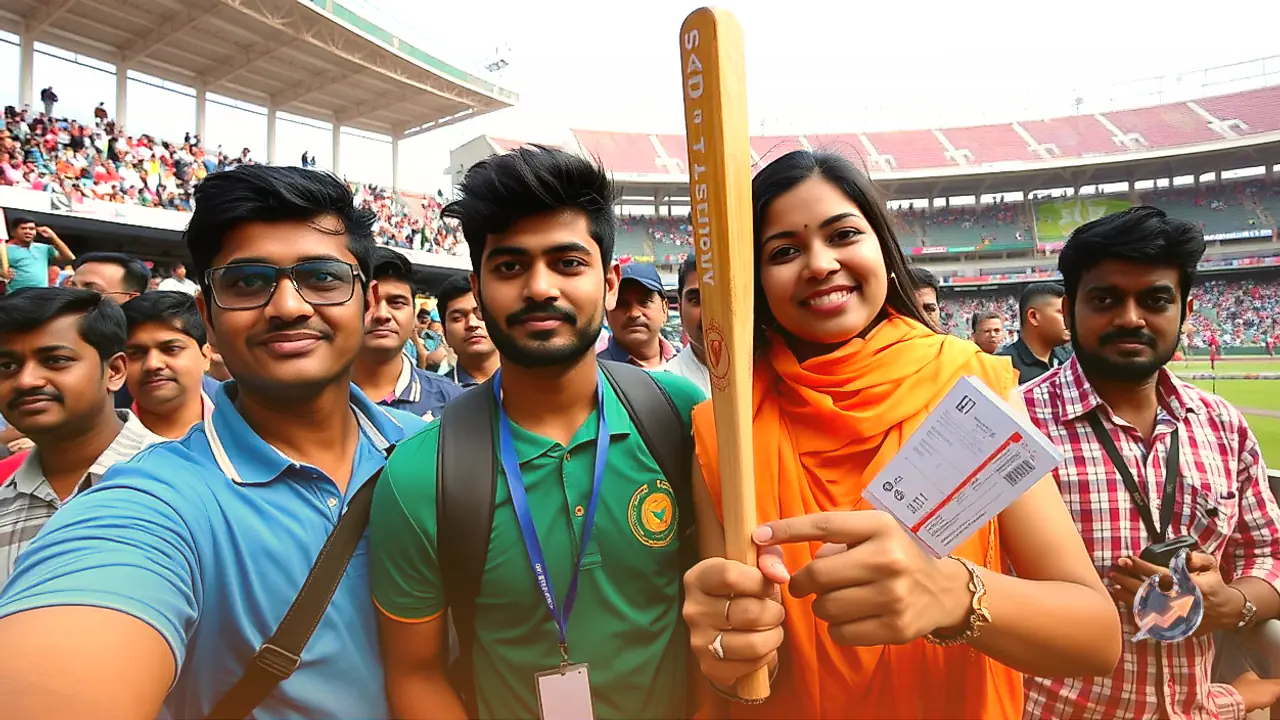
Renowned veteran figures, including former Indian cricketers, have regularly featured in these matches, which have proliferated rapidly across various regions over recent seasons. While audiences welcome the opportunity to witness veteran stars back in action, the informal nature of private organizer operations continues to draw regulatory scrutiny.
Lessons from Corruption Inquiries in Sri Lanka
Concerns surrounding retired-player competitions are underpinned by recent integrity incidents. In 2024, a veteran-focused league staged in Sri Lanka was clouded by corruption allegations involving team owners. Referencing that episode directly, the ACU head emphasized that the administration cannot pretend these environments carry zero risk.
A primary objective for the governing body is ensuring a clear public distinction between authorized cricket structures and private exhibitions. Audiences need to readily differentiate between recognized franchise leagues, official ICC global championships, or premier domestic competitions like the Ranji Trophy, and independent festival events showcasing retired talent reliving past memories.
Education Drive, 333 Matches Covered, and 28 Charges Filed
Preventative operations to protect the sport from malicious interference have maintained steady operational momentum. The ACU has monitored 333 bilateral international matches, bringing forward 28 formal charges regarding breaches of anti-corruption regulations.
Player responsiveness has seen notable advancement, with individuals reporting corrupt approaches at a complete, one-hundred-percent rate. Previously, participants frequently viewed the anti-corruption wing strictly as a punitive policing force, prompting apprehension regarding where accountability lay. Through focused engagement initiatives, the unit has worked to shift that mindset. Acknowledging that players can be vulnerable to outside approaches, the current institutional focus prioritizes ongoing education, support, and building lasting mutual trust across the cricketing community.