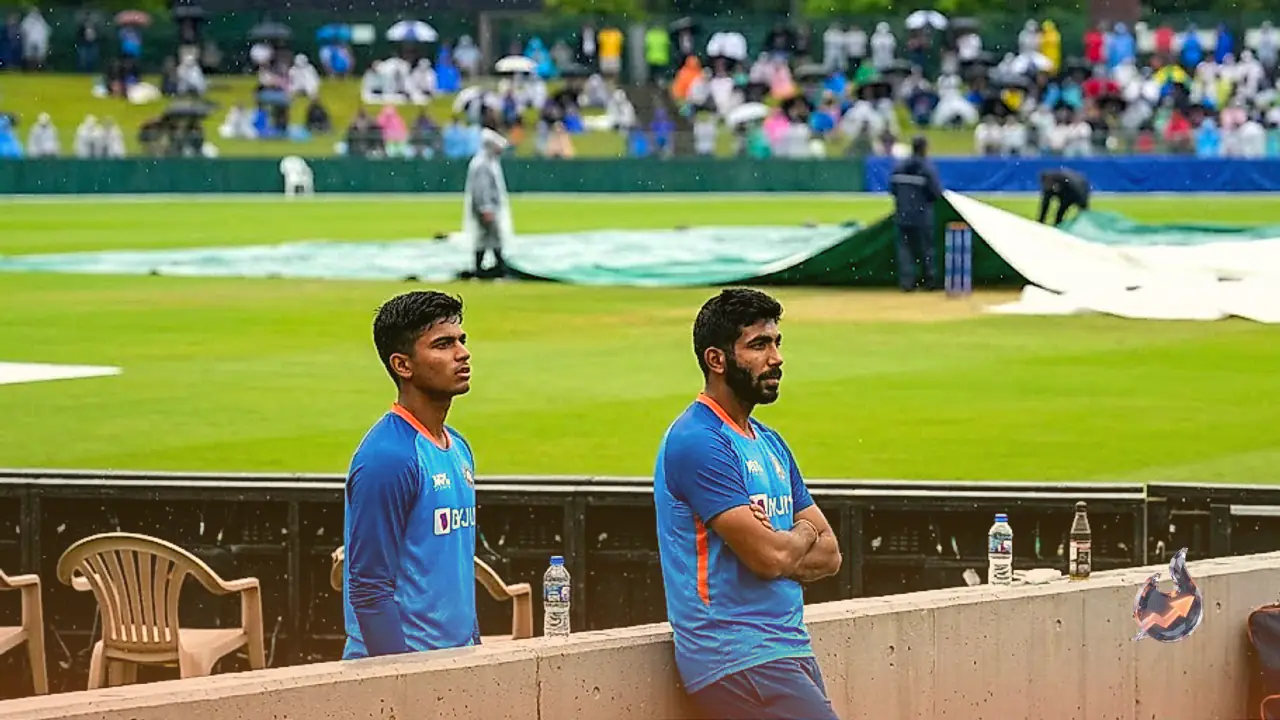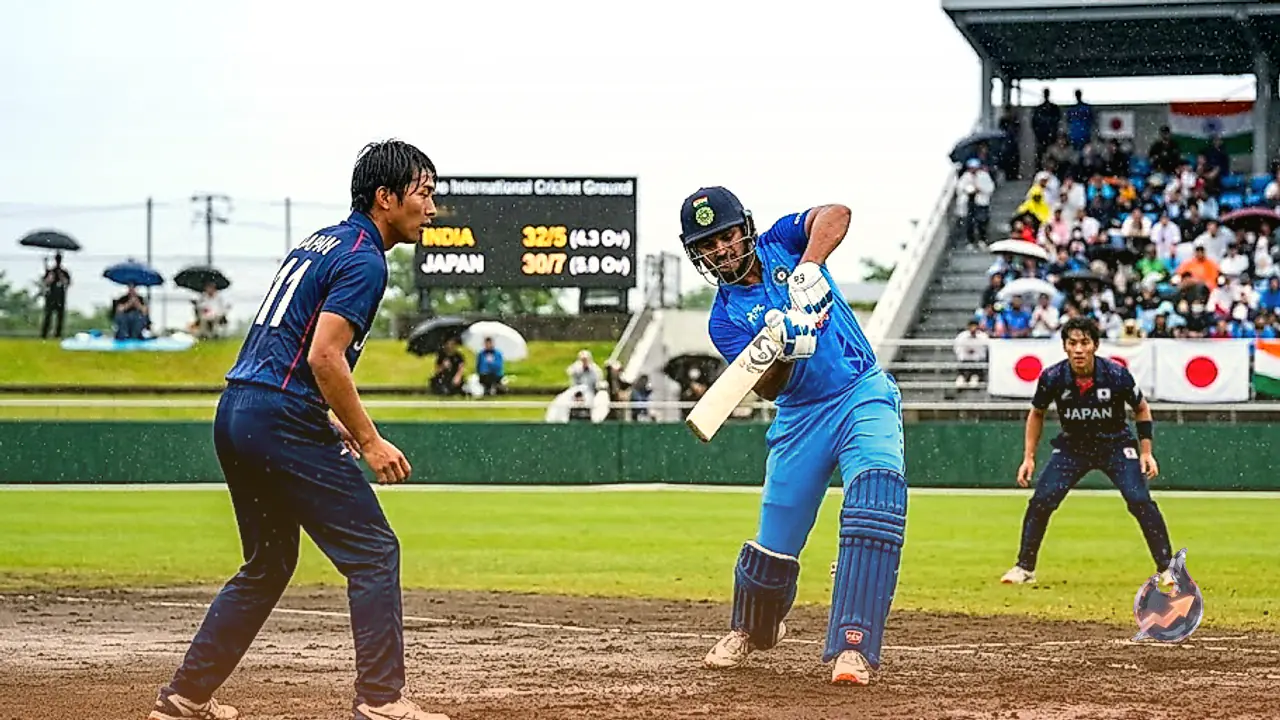






















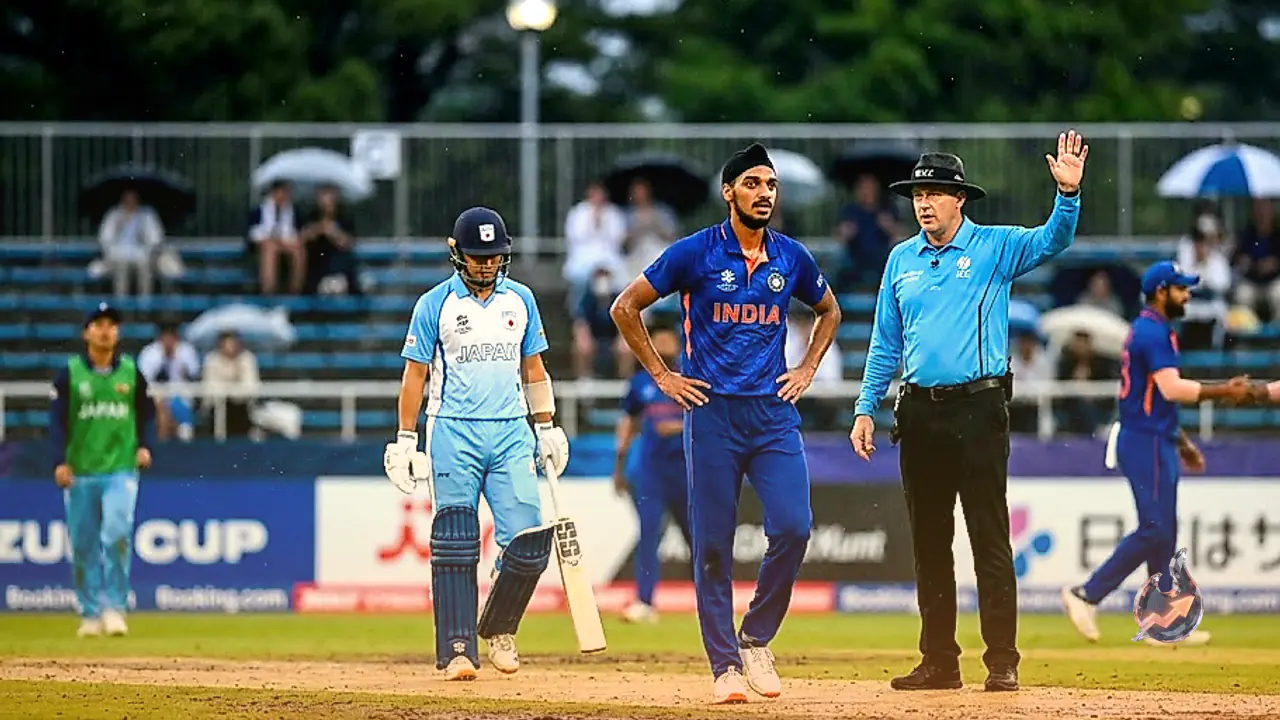

A ground drenched by a cyclonic storm in Tochigi Prefecture delayed the start of play and set the stage for an extraordinary cricket contest that quickly captured widespread sporting attention. Organised as a friendly T20 international encounter dubbed the Maruti Suzuki Cup, the fixture commemorated 75 years of diplomatic relations between India and Japan. However, fans tuning in were startled to see the match reduced to an ultra-short five-over shootout per side. What followed was even more unexpected, as an experienced Indian batting lineup suffered a shocking top-order collapse against an emerging Japanese side. Pushed right to the wire, India managed to hold on by a razor-thin margin of just 2 runs on the final delivery. The dramatic conclusion immediately triggered debate over whether a 5-over contest genuinely holds official international status and how International Cricket Council regulations govern such curtailed games.
Does a 5-Over Game Qualify as an Official International Match?
Under international cricket governance, a five-over fixture does indeed qualify as an official international match, specifically within the Twenty20 International framework. For any match to earn this classification, specific structural prerequisites set by the International Cricket Council must be met. The encounter must take place between recognised ICC member nations, a criterion fully met here since Japan holds official membership alongside India. Furthermore, to yield a legitimate, recognized result, both innings must feature at least 5 completed overs. When each side is allocated a minimum of five overs, the fixture officially stands in the international record books.
ICC Playing Conditions and the Minimum Overs Threshold
According to the standard ICC T20 Playing Conditions governing group fixtures and general limited-overs bilaterals, an official match with a binding result requires at least 5 overs to be bowled to the team batting second in the run chase. Alongside this requirement, both competing sides must originally be allotted a minimum of five overs apiece.
Crucial exceptions govern these scenarios. If rain or external disruptions truncate a match to the point where the chasing team cannot face the required minimum of 5 overs, the encounter is designated as a No Result. Under those circumstances, the fixture is not credited as an official completed international match. Tournament contexts also introduce stricter parameters: for major ICC knockout fixtures, including semi-finals and finals, the threshold increases, requiring at least 10 completed overs per side rather than five to validate an official result.
Bowling Limits and Tactical Adjustments in Truncated Matches
When an innings is condensed to just five overs, standard cricket rules undergo proportional recalibration. Bowler workload limits become exceptionally stringent. In a five-over innings, no individual bowler can deliver more than one-fifth of the total overs allocated. Consequently, each bowler is capped at a maximum of exactly 1 over. While proportional formulas account for mid-innings interruptions, a standard 5-over game typically demands that five distinct bowlers deliver one over each.
Fielding restrictions follow a similar scaling principle. Powerplay fielding allowances and the permissible number of fielders stationed outside the 30-yard circle are reduced proportionally relative to the shortened innings length. Additionally, should adverse weather interrupt the second innings after play has commenced, recalculations for revised targets fall strictly under the Duckworth-Lewis-Stern method.
Origins of the Five-Over Provision Dating to 2005
The stipulation mandating a minimum of 5 overs per side for weather-affected fixtures has been an integral part of the format since its inception. It dates back to 2005, the historic year when the first official men's T20 international was staged. During the experimental stages of Twenty20 cricket, various domestic leagues around the world experimented with differing minimum-over thresholds. However, the ICC eventually standardized the rule globally across international T20 cricket, formalizing the requirement that at least 5 overs must be bowled to the chasing side to declare an official victor.
On-Field Collapse: India Stumbles Before Edging Japan
The match in Tochigi saw India win the toss and elect to bat first, but the ultra-condensed format immediately disrupted their rhythm. Facing disciplined bowling in heavy conditions, India's high-profile batting assets collapsed under pressure. Key players including Abhishek Sharma, Sanju Samson, Ishan Kishan, and Shreyas Iyer all surrendered their wickets within the rapid 5-over span. Consequently, the Indian side was restricted to a modest total of just 32 runs.
Chasing 33, Japan demonstrated immense composure and dragged the contest into the final over. Japan required 8 runs from the last over and reached the final ball needing 4 runs for a historic upset. India's bowling managed to hold firm, denying Japan the boundary and securing a tense 2-run victory. The narrow escape against an underdog opponent sparked widespread conversations across the cricketing community, drawing fresh interest toward the rules governing shortened international fixtures.