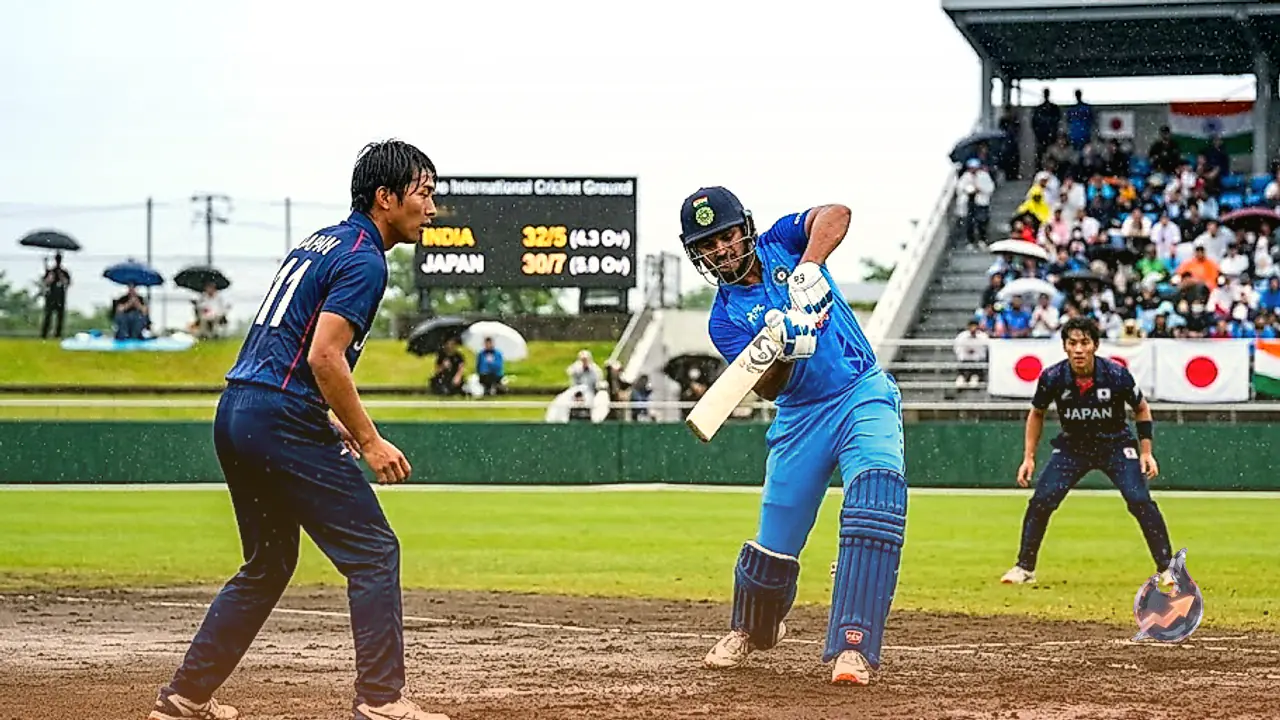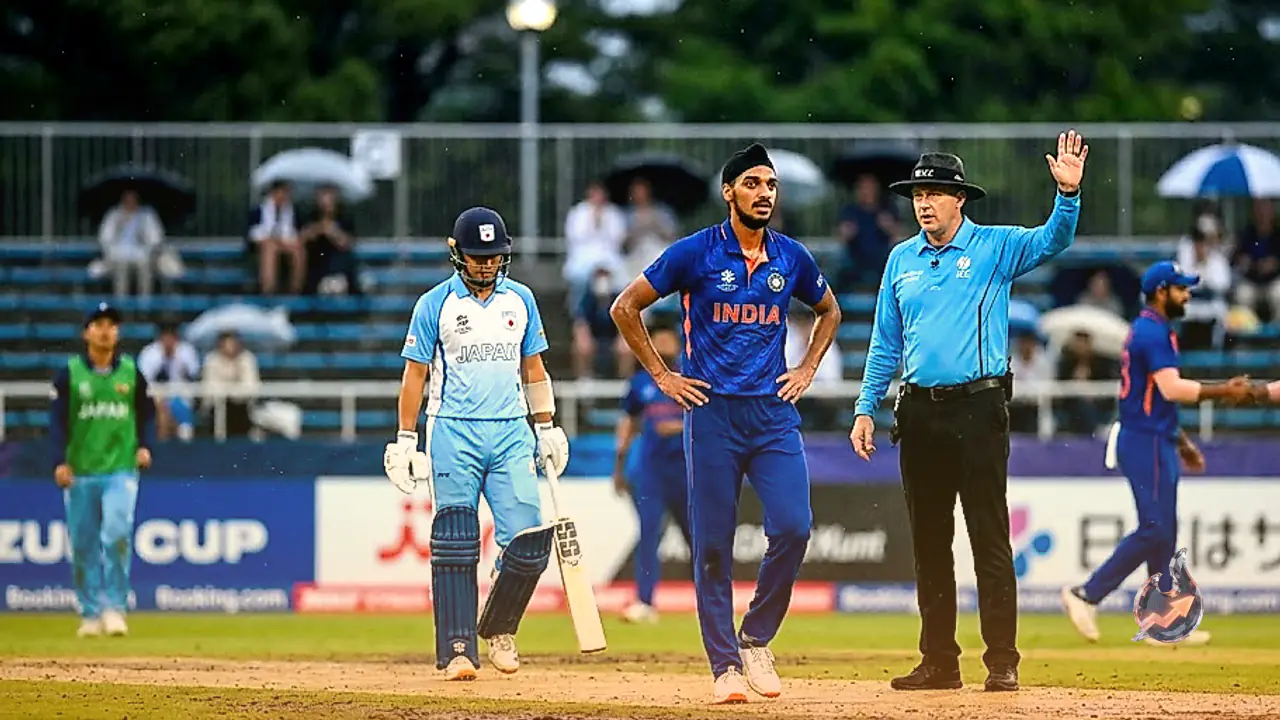

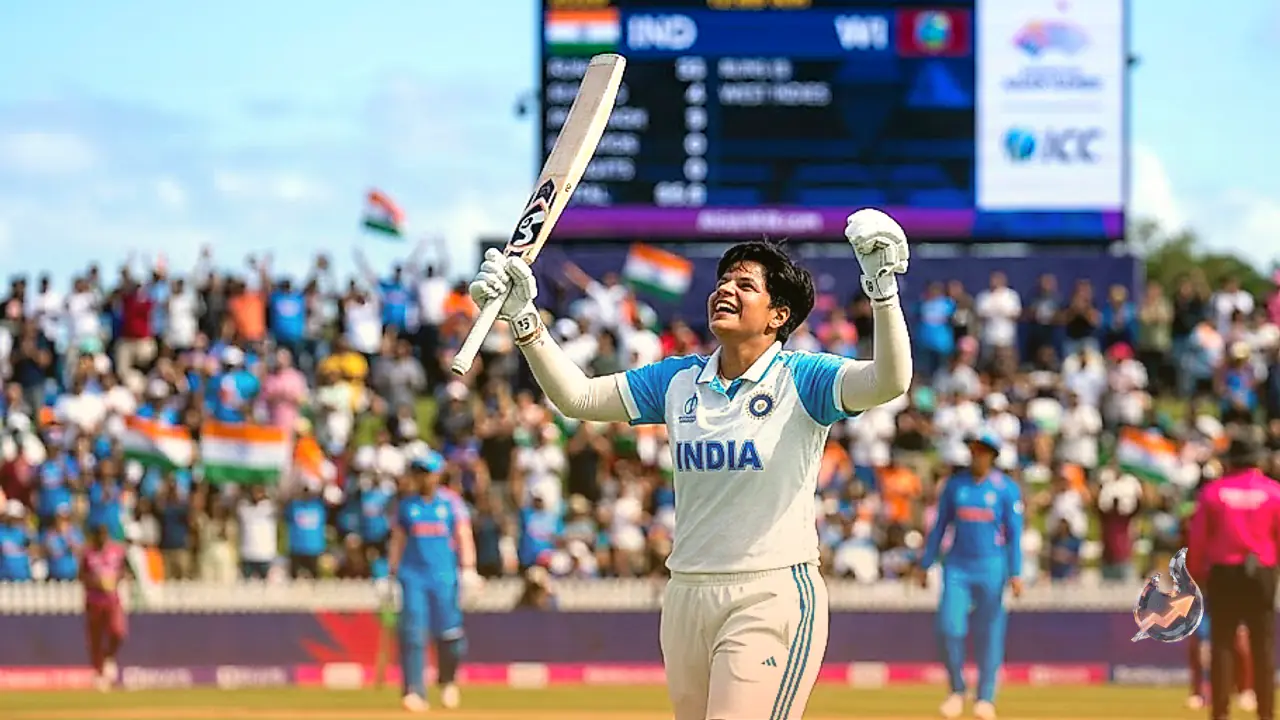














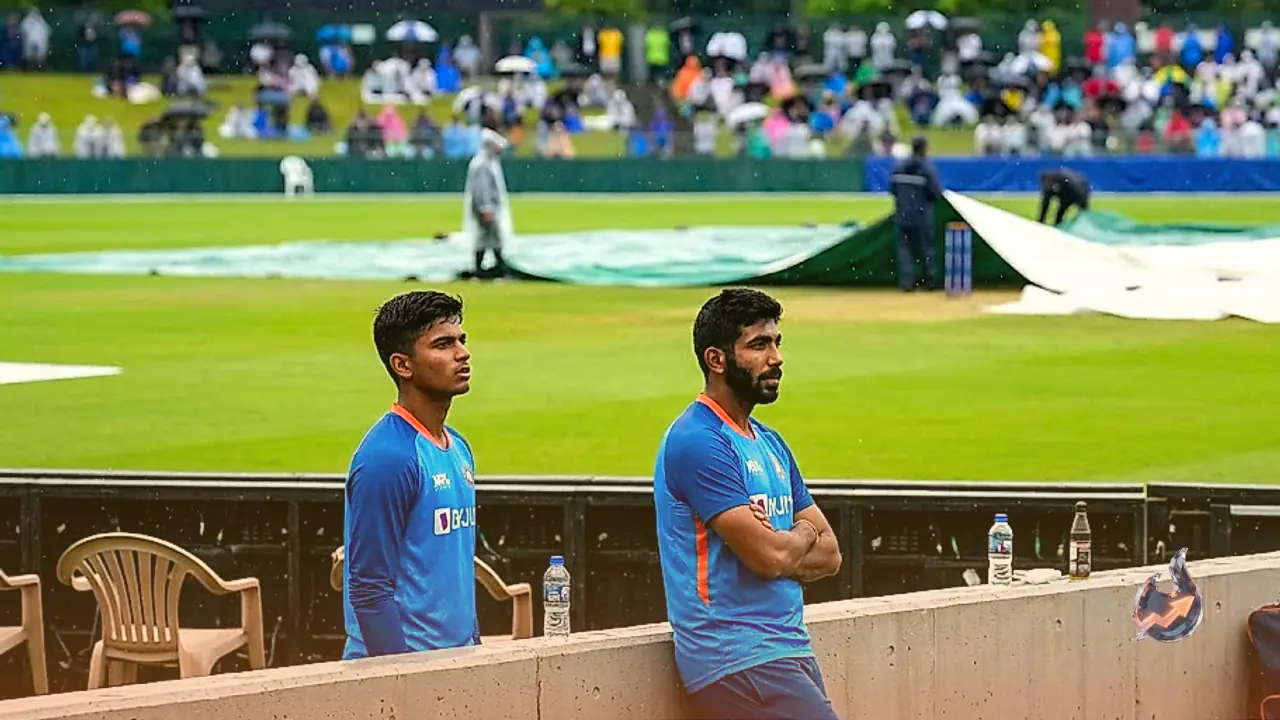

In an unprecedented T20 international fixture against Japan, India's team management chose to omit promising prodigy Vaibhav Suryavanshi alongside frontline speedster Jasprit Bumrah from their starting eleven. Suryavanshi's wait for a match outing continues after he spent all three previous T20 fixtures against Afghanistan on the reserve bench without getting a game. Bumrah, who featured during the Afghanistan assignment, was rested for this brief encounter against the associate nation.
Wet Outfield Shrinks Contest to Five Overs
The encounter was initially structured as a standard 20-over contest, but ground conditions significantly altered those plans. A heavily drenched outfield delayed the scheduled start considerably, forcing match officials to conduct multiple inspections. To ensure a result, authorities eventually curtailed the contest drastically, converting it into a rapid five-over-per-side shootout that placed a premium on immediate aggressive hitting.
Youngest Opponents to Face India in T20 Internationals
Squaring off against India remains an enormous career ambition for emerging talents worldwide. Nepal's Gulsan Jha stands as the youngest cricketer ever to play against India in this format, having stepped onto the pitch at the tender age of 17 years and 228 days.
Max Heingo of Namibia occupies the second position on that distinctive roster, having challenged the Indian side at 17 years and 341 days. Japan's Charlie Hara-Hinze ranks third after competing against India at 17 years and 357 days. The list of young debutants facing India also includes Afghanistan's Noor Ahmad at 19 years and 11 days, alongside Zimbabwe's Tendai Chatara, who took on the Indian side at 19 years and 105 days.
India's Remarkable Dominance Against Maiden Opponents
India has now competed against 20 different national setups in the 20-over international arena. Zimbabwe leads the historical tally having faced 32 distinct opponents in the format, while Ireland has matched up against 27 different sides. Despite playing fewer varied teams, India maintains an unmatched efficiency when encountering fresh international rivals for the first time.
Across their previous 19 encounters against brand-new opposition, the Indian side captured victory in 16 instances. Their only inaugural defeats against new competitors occurred at the hands of New Zealand and the West Indies, alongside a solitary fixture against Scotland that concluded without a result. No other full-member nation possesses such a dominant success rate when testing themselves against unfamiliar opponents.
Confirmed Lineups for the Fixture
India fielded a lineup featuring wicketkeeper Sanju Samson, Abhishek Sharma, Ishan Kishan, captain Shreyas Iyer, Tilak Varma, Shivam Dube, Axar Patel, Washington Sundar, Yash Thakur, Ravi Bishnoi, and Arshdeep Singh.
Japan was captained by Kendel Kadowaki-Fleming. Their final eleven featured Lachlan Yamamoto-Lake, Reo Sakurano-Thomas, Benjamin Ito-Davis, Wataru Miyauchi, wicketkeeper Alexander Shirai-Patmore, Charlie Hara-Hinze, Ibrahim Takahashi, Declan Suzuki-McComb, Makoto Taniyama, and Shoma Sugaya-Slater.