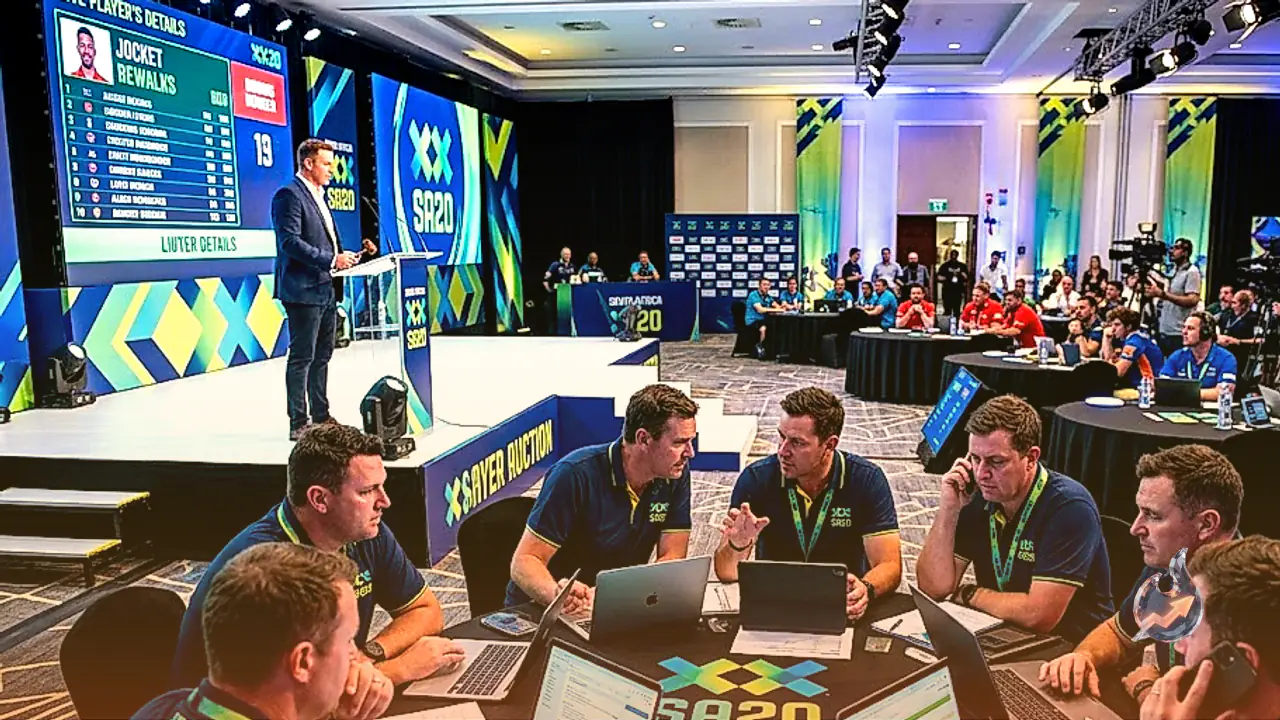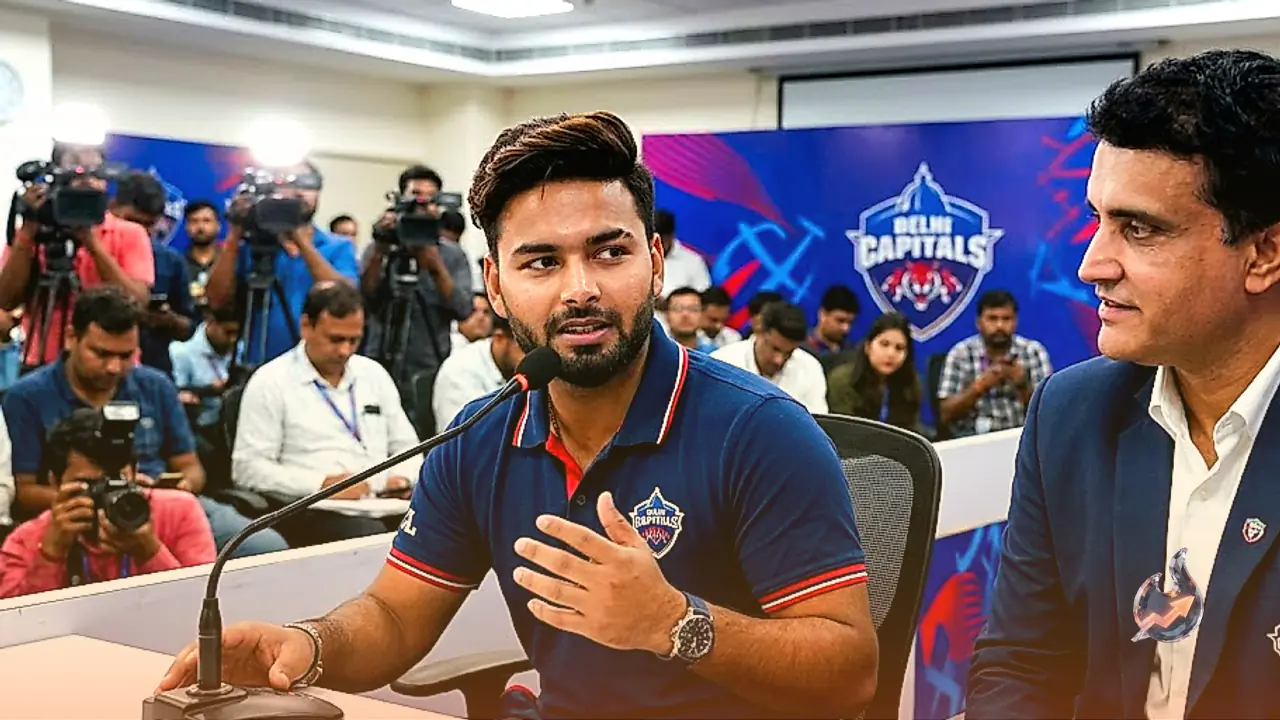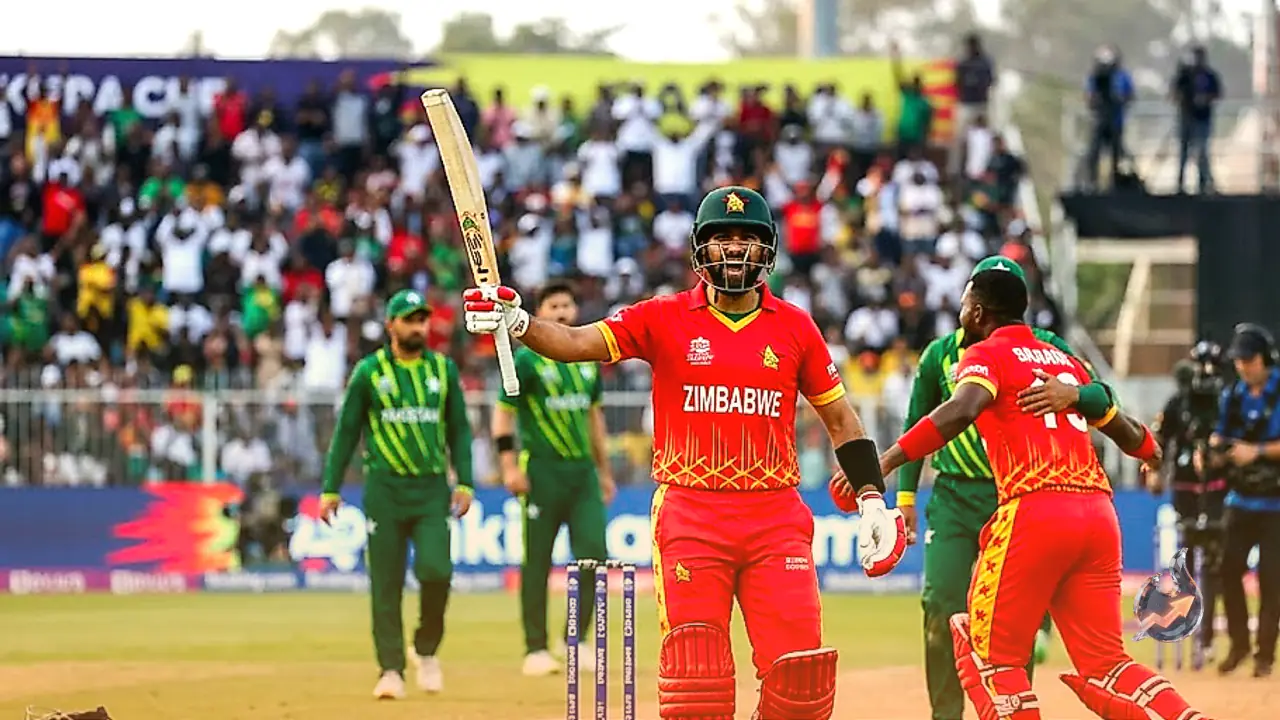



















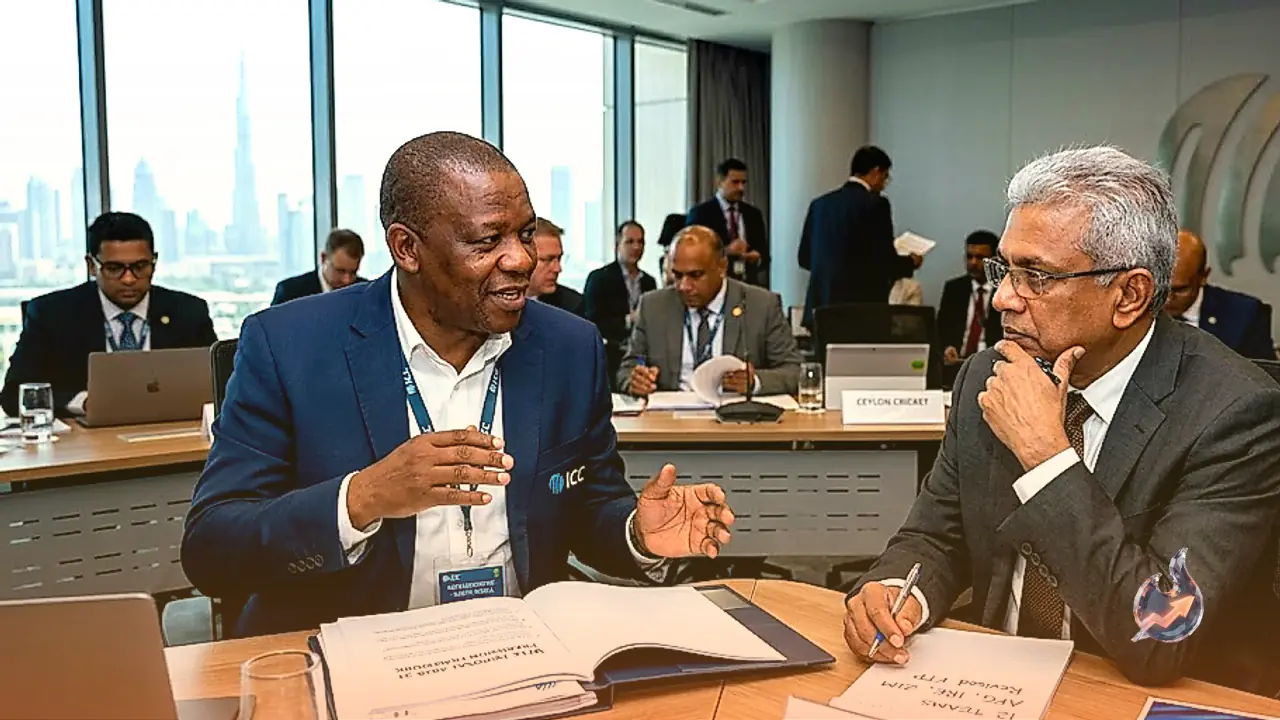

A substantial structural overhaul is being considered for the future cycles of the World Test Championship, which could see the competition expand to feature 12 participating nations. Cricket boards across the globe alongside the governing body are currently in the closing stages of establishing the next Future Tours Programme. This updated scheduling blueprint is expected to serve as the vehicle for rolling out the refreshed championship model. Indicating this potential development, Cricket Australia chief executive officer Todd Greenberg noted that the tournament lineup could broaden significantly in the coming years.
Current Nine-Team Structure and Proposed Additions
Ever since its introduction in 2019, the tournament has operated with nine sides competing over a biennial window to secure a berth in the final. Under the active system, contenders participate in six test series split evenly between three home assignments and three overseas tours, with each series comprising a minimum of two matches. The prospective framework earmarked for the 2029-31 cycle suggests a shift from this baseline, potentially allowing standalone, single-match series to accommodate Zimbabwe, Ireland, and Afghanistan within the championship umbrella. Formal deliberations and a potential resolution on the matter are slated for upcoming meetings in Bali next month.
Revenue Sustainability and Board Autonomy
Addressing discussions in Durban ahead of Australia's opening test fixture against South Africa, Greenberg highlighted that while granting every test-playing nation a viable pathway is desirable, the broader financial realities cannot be overlooked. Member boards will face the task of managing their own fiscal health rather than relying indefinitely on governing distributions. Regarding this challenge, Greenberg remarked, “ मुझे लगता है कि WTC के अगले चक्र के लिए यह संख्या क्यों रखी गई है, क्योंकि वे हर टेस्ट खेलने वाले देश को अवसर देना चाहते हैं. लेकिन अंततः देशों को खुद ही कड़े फैसले लेने होंगे, क्योंकि यदि आईसीसी से उसी स्तर का राजस्व आना जारी नहीं रहता जैसा अब तक मिलता रहा है, या वे अपने स्वयं के एफटीपी समझौते नहीं बना पाते हैं, तो आप हर साल अपनी कमाई से अधिक वितरित नहीं कर सकते.”
Broadcast Challenges and Economic Strains
Greenberg had previously signaled that sustaining test cricket across a wide pool of nations might prove difficult, warning that the roster of active red-ball teams could shrink under persistent monetary constraints. While he avoided singling out specific administrations, financial headwinds have openly disrupted other members. Cricket West Indies chief executive Chris Dehring recently described their domestic hosting schedule as death, destruction, and doom, pointing to tours by Sri Lanka and Pakistan that yielded minimal television rights revenue. Such shortfalls underscore the intense pressures smaller boards face when staging test matches under unviable broadcast terms.