



















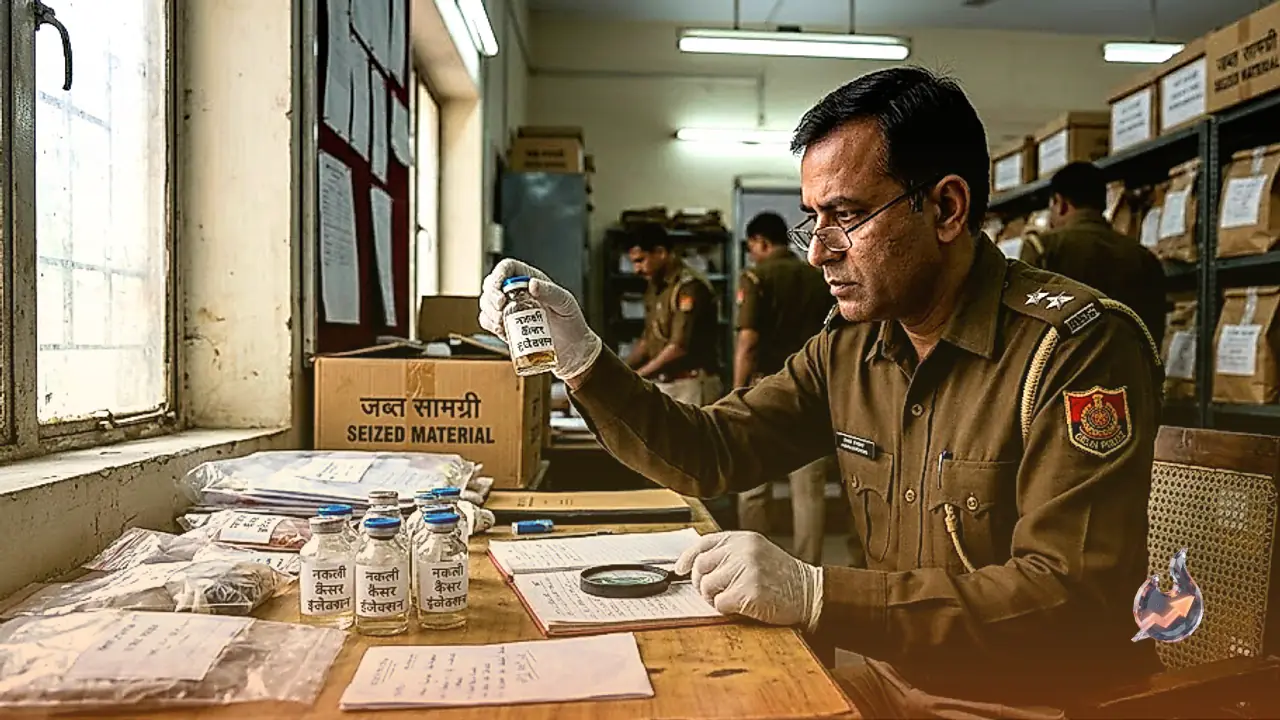

A horrifying and deeply alarming reality has emerged from forensic laboratory test reports following the seizure of counterfeit high-value cancer injections from the black market in the national capital, Delhi. Scientific analysis conducted at a specialized laboratory in Germany has confirmed that the seized vials, marketed for life-saving oncology care, contained zero active pharmaceutical ingredients. Instead, testing revealed that the vials were filled merely with ordinary water and live bacteria. This shocking revelation has sent shockwaves through health administration circles and law enforcement agencies alike. Investigation tracks have now expanded to Rajasthan, focusing directly on the government cancer hospital in Bikaner, where oncology injections valued at approximately Rs 1 lakh were previously reported missing. This multi-state pharmaceutical scandal has not only raised grave doubts regarding the integrity of government drug distribution networks but has also exposed a ruthless criminal enterprise gambling with the lives of vulnerable cancer patients.
Shocking Findings from German Laboratory Testing
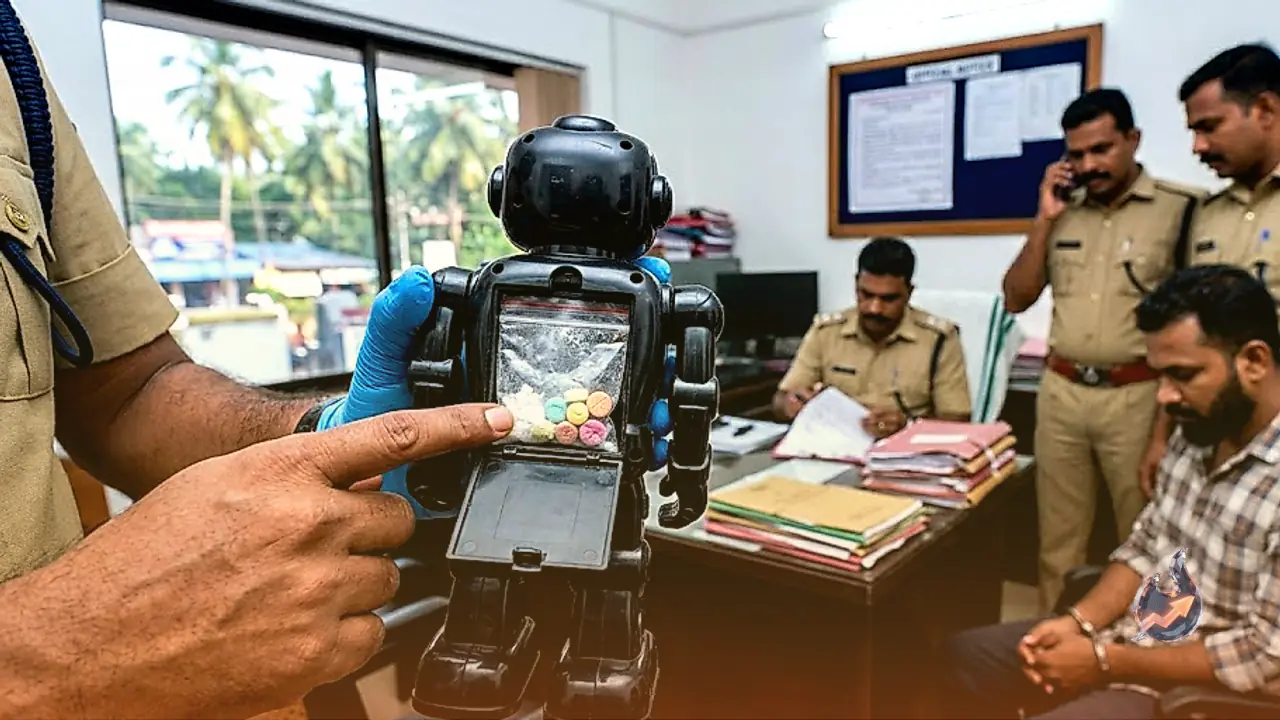
Samples of the cancer medications confiscated during a targeted raid by the police specialized unit in Delhi were dispatched to an accredited international laboratory in Germany for comprehensive chemical and microbiological analysis. The final test reports returned by the German facility left medical professionals and investigators astonished. According to the laboratory findings, the vital active pharmaceutical ingredient required to target and destroy cancer cells was entirely absent from the solutions. The vials contained nothing more than water contaminated with bacterial growth. Investigators suspect that an organized syndicate engaged in acquiring empty or used medicine vials, filling them with tap water and unsterile substances, and re-sealing them to pass off as premium branded oncology therapeutics. Cancer treatment relies strictly upon the exact potency, purity, and sterile condition of chemotherapy and biological drugs. Injecting patients with bacterial solutions not only rendered their cancer treatments totally ineffective but also directly exposed their compromised immune systems to life-threatening systemic infections. Authorities are now urgently working to map the full magnitude of this illicit distribution network and determine how many patients may have unknowingly received these toxic fake injections.
The Bikaner Cancer Hospital Connection and Matching Batch Numbers
The investigative spotlight has turned sharply toward the city of Bikaner in Rajasthan. Local authorities had already been probing an unsolved case at the Bikaner government cancer hospital involving the suspicious disappearance of cancer injections worth nearly Rs 1 lakh from hospital inventory. However, a major breakthrough occurred when forensic cross-verification revealed that the batch numbers printed on the counterfeit vials seized in Delhi matched the exact batch numbers of the supplies allocated to the Bikaner hospital. This matching batch evidence has significantly heightened suspicion among investigating agencies. Detectives are currently exploring two primary operational theories. The first hypothesis investigates whether legitimate, high-value injection stocks were stolen directly from the government hospital storehouse and transported through illicit channels to black-market dealers in Delhi. The second, even more sinister possibility is that individuals linked to the supply chain extracted the authentic cancer medication from the vials to sell on the black market for exorbitant profits, subsequently refilling the empty containers with water and bacteria before returning them to the supply ecosystem to conceal the theft. As of now, definitive answers regarding which mechanism was employed remain pending further forensic examination.
RMCL Stance and Drug Supply System Operations
The operational procedures and oversight responsibilities of the Rajasthan Medical Services Corporation Limited (RMCL) have come under intense scrutiny as the investigation unfolds. Pukhraj Sen, the Chairman and Managing Director (CMD) of RMCL, addressed the growing controversy by stating that the corporation is conducting its own internal inquiry into the matter. According to Sen, preliminary internal audits indicate that the cancer injections procured from pharmaceutical manufacturers were transported and delivered to government hospitals through RMCL's verified and secure supply channels. Furthermore, management at the Bikaner cancer hospital reported back to RMCL asserting that the specific injection batches delivered to their facility were fully accounted for and administered to admitted patients as prescribed. However, when questioned about how RMCL-assigned batch numbers ended up on adulterated vials circulating in Delhi's black market, a scenario presenting extreme danger to public safety, Sen stated that a complete picture will only emerge once the joint investigation by the Delhi Police and the Drug Controller is concluded. While RMCL maintains that its distribution pipeline from factory to hospital was secure, the precise origin and leak point of the fake stock found in Delhi remains an unresolved mystery.
The Fake Drug Network Operating from Faridabad and Accused Profile
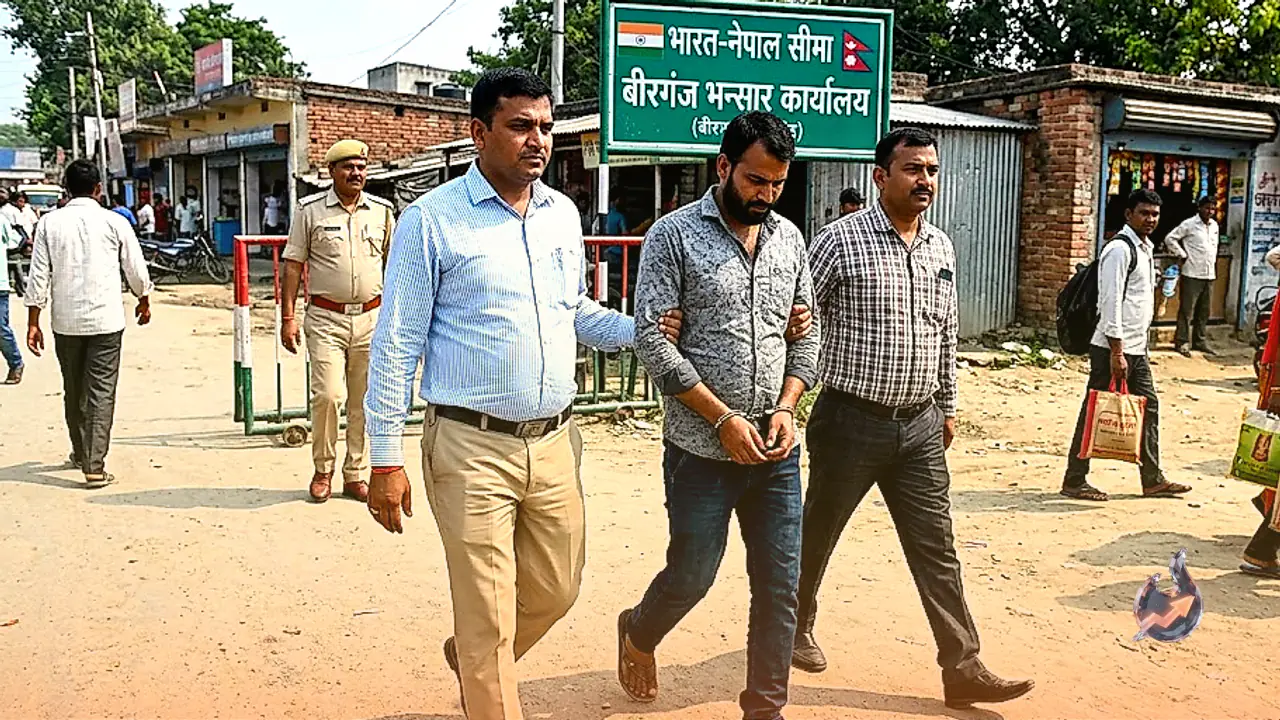
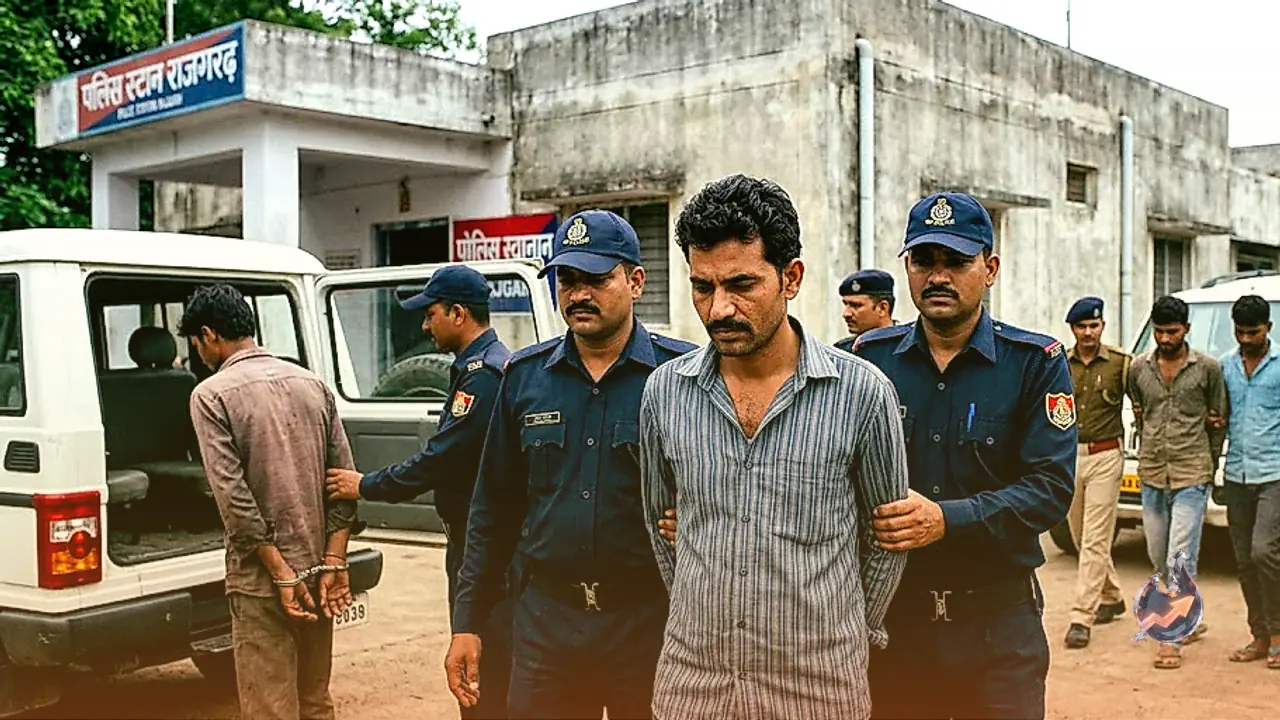
Interrogation and intelligence gathering by the Delhi Police Crime Branch have unmasked the individual alleged to be running this multi-state illicit medicine trade. Police have arrested 39-year-old Dr. Manish Sharma in connection with the racket. Official records indicate that the accused originally hails from Gwalior in Madhya Pradesh and was recently operating out of Faridabad, Haryana. Sharma had pursued medical studies abroad, earning an MBBS degree from a university in Russia. However, upon returning to India, he repeatedly failed to pass the mandatory screening examination conducted by the medical council for foreign medical graduates, leaving him without a lawful license to practice medicine in the country. Blocked from legitimate medical practice, Sharma allegedly turned to illegal commercial enterprises, establishing two firms in Faridabad under the names HK Polyclinic and HK Pharmaceuticals. Investigators revealed that he leveraged the B2B e-commerce website IndiaMART to identify and connect with prospective buyers, brokers, and desperate families seeking expensive oncology drugs. Driven by massive profit margins on high-value cancer therapeutics, he allegedly engaged in the distribution of smuggled, counterfeit, and adulterated medications across state borders.
Crime Branch Operation in Sukhdev Vihar and Seized Contraband
Acting on actionable intelligence received on 21 April 2026, the Crime Branch laid a trap in the Sukhdev Vihar area of South Delhi, where Sharma was expected to deliver a major consignment of illicit cancer drugs. As the suspect arrived at the pre-designated location driving a silver Honda City sedan, police teams surrounded the vehicle and took him into custody. A thorough search of the car yielded a significant quantity of high-value, restricted pharmaceutical products. The seized contraband included 4 packets of ICLUSIG, 4 vials of Human Albumin Solution 20 percent, and 2 boxes of DARZALEX manufactured by Janssen Biotech. Law enforcement officers highlighted that ICLUSIG has not received regulatory approval for sale or commercial distribution in India from the Central Drugs Standard Control Organization, making its possession and sale entirely illegal. Additionally, preliminary checks on the seized boxes of Human Albumin Solution and DARZALEX indicate that these specific units were illegally smuggled into India through clandestine trade routes originating in Turkey.
Patient Safety Concerns and Broader Investigation Mandate
The confirmation that fake cancer injections circulating in Delhi contained bacteria and water has transformed this case from a routine pharmaceutical theft into a major public health crisis. The missing Rs 1 lakh inventory from Bikaner, the matching batch numbers in Delhi, the involvement of an unlicensed foreign medical graduate, and the international smuggling of unapproved drugs all point to a deeply entrenched criminal network. Investigating authorities must now determine whether insiders within the government healthcare infrastructure colluded with black-market operators. Senior executives at RMCL remain unable to explain how vials bearing their official tracking numbers entered the illicit market. Whether authentic drugs were siphoned directly from hospital wards or empty containers were retrieved and refilled with hazardous liquids will be established through ongoing forensic probes by the Delhi Police and Drug Control authorities. This disturbing case underscores an urgent need for absolute transparency and uncompromising security across the medical supply chains that protect critically ill patients.