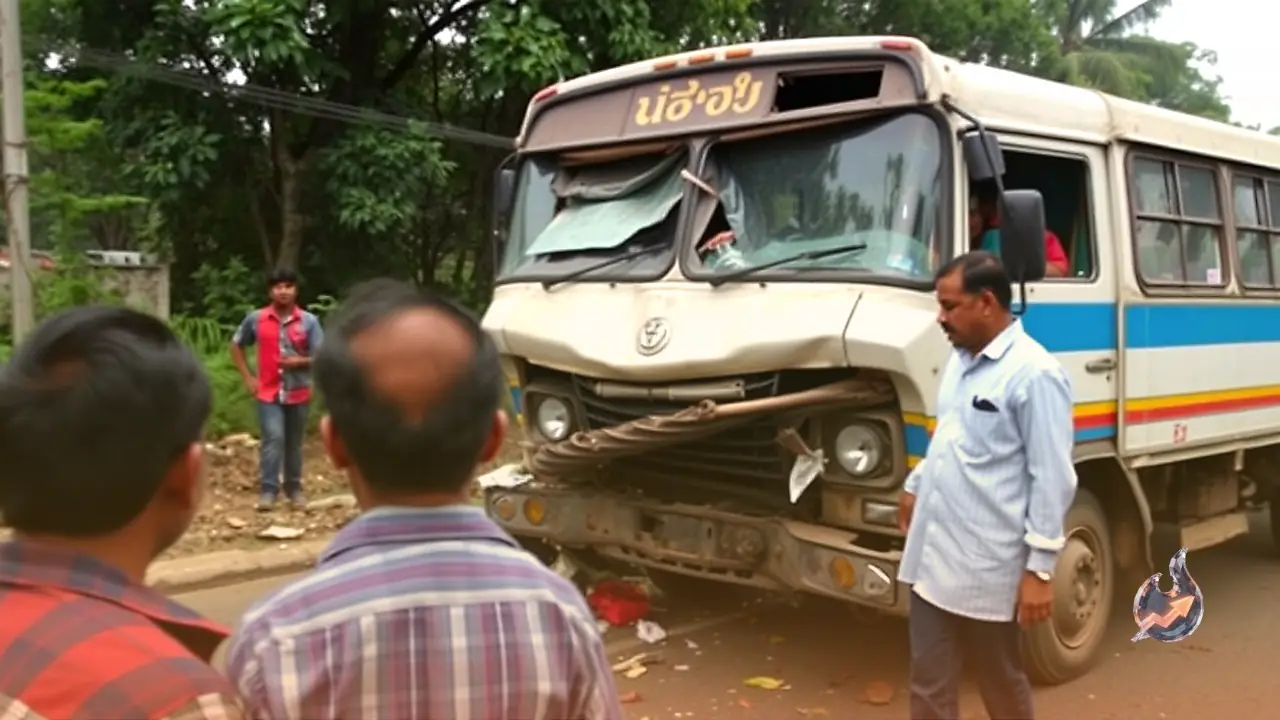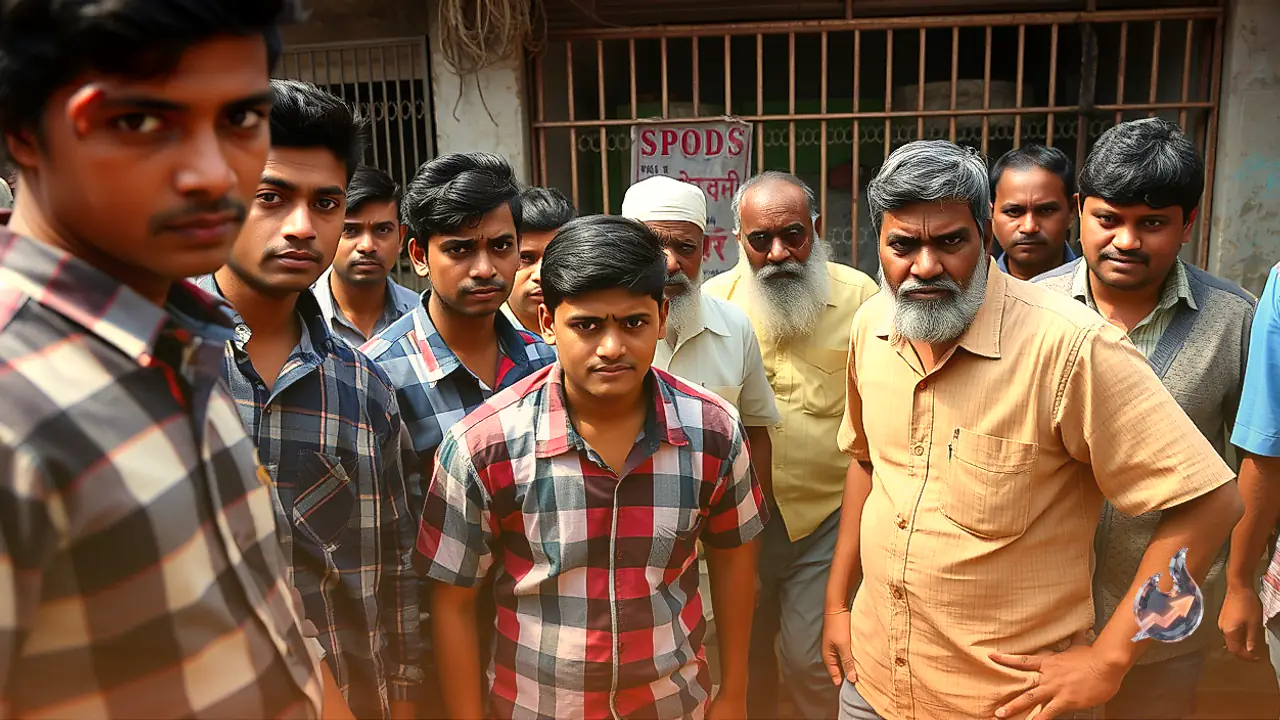
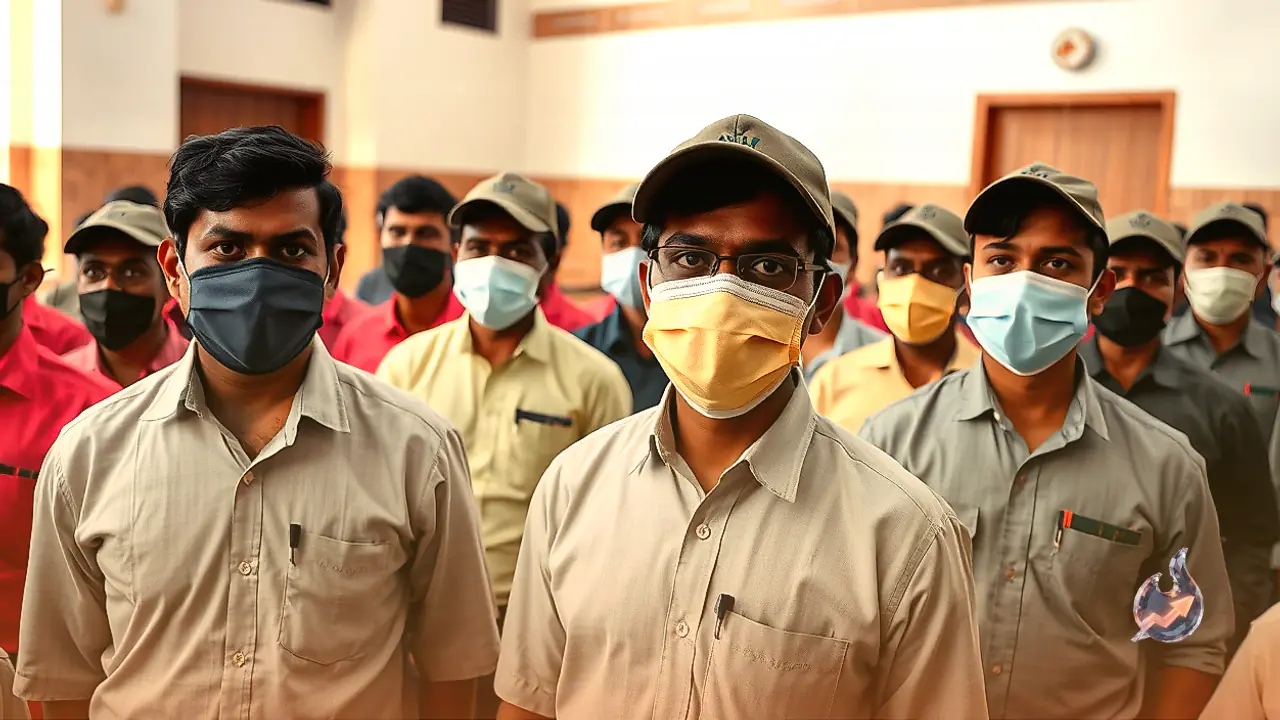
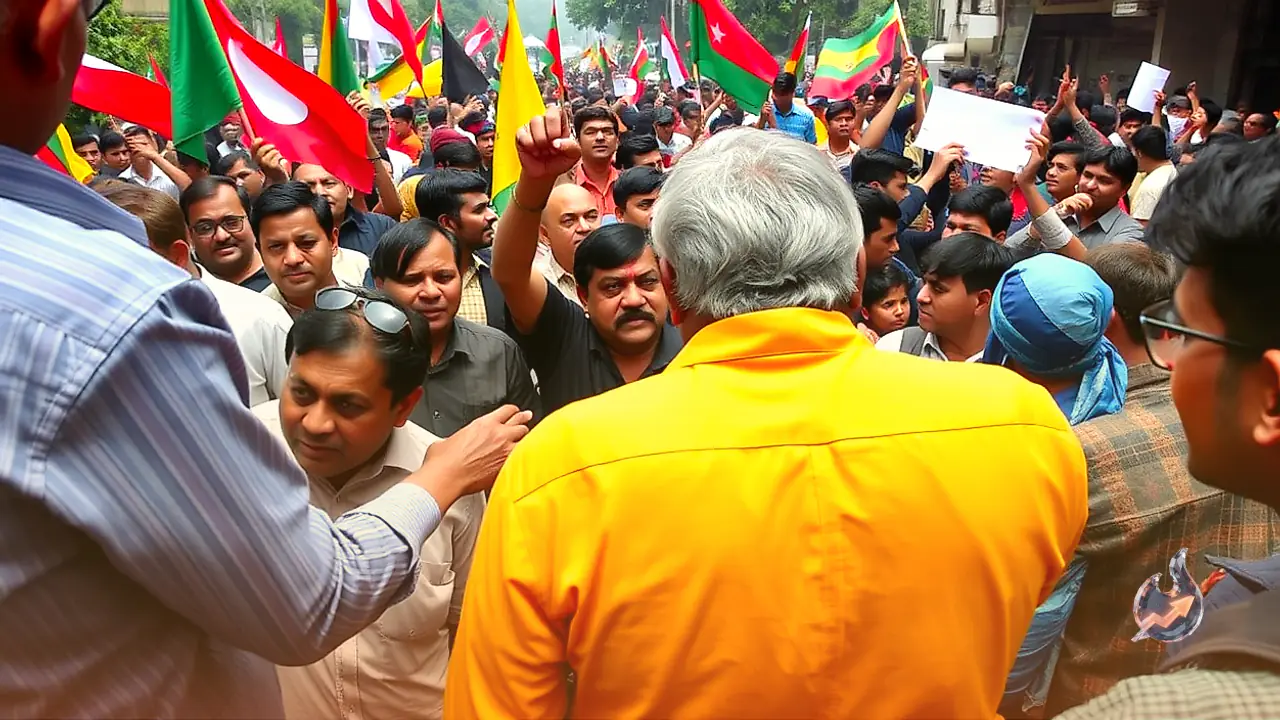














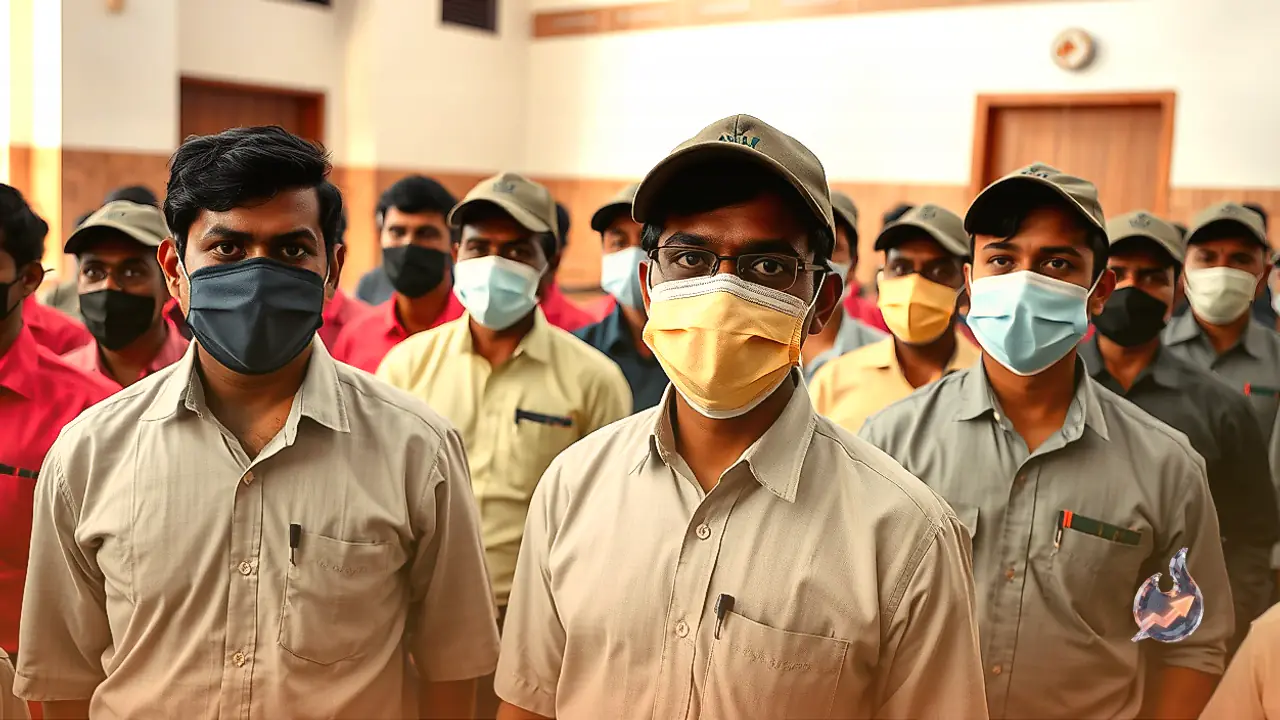

As the trial in the high-profile 2018 Abhimanyu murder case commenced in Kochi, Kerala, a striking and unusual scene unfolded inside the courtroom. All 16 accused individuals named in the case arrived dressed in identical attire, creating widespread confusion and catching everyone off guard. Every single one of them wore a white half-sleeve shirt, a white lungi or mundu, black shoes, caps on their heads, and face masks. Their appearance matched to such an extent that distinguishing them individually proved to be an uphill task. Taking strong exception to this coordinated tactic, Principal District and Sessions Judge K.K. Balakrishnan expressed visible anger and directed all the accused to immediately remove their masks.
Court Warning and Commencement of Proceedings
The judge stated clearly that they could not be permitted to appear in court with their faces covered. Alongside this directive, he issued a strict warning that if anyone attempted to alter their appearance or conceal their identity during future hearings or cross-examinations of witnesses, strict legal action would be initiated against them. This trial holds immense significance as it has begun nearly eight years after the brutal killing of Abhimanyu. Presently, eyewitness accounts are being recorded inside the courtroom, and the prosecution is presenting evidence linking the accused to the crime.
The 2018 Killing of the SFI Leader
The incident dates back to the early hours of July 2, 2018, when Abhimanyu, a second-year BSc Chemistry student at Maharaja's College in Kerala and a prominent leader of the Students Federation of India, was stabbed to death inside the campus. A violent clash had broken out between student factions over writing slogans and putting up posters in preparation for the new academic year. During this confrontation, Abhimanyu was stabbed in the chest and succumbed to his injuries on the spot. Activists belonging to the Campus Front of India, described as the student wing of the banned outfit Popular Front of India, were named as accused in the case. Although police filed a chargesheet soon after the incident, it took approximately eight years for the formal trial to get underway.
Eyewitness Identifies Several Accused
On the very first day of the hearings, the prosecution's primary eyewitness, Subin, was examined by the court. Subin was a classmate of Abhimanyu at Maharaja's College and was present at the scene during the attack. He informed the court that despite the accused having identical haircuts and trimmed beards, he was able to successfully identify several of them. This identification included the prime suspect and the individual specifically accused of inflicting the fatal stab wound. The witness stated that his identification in court matched his initial statements given to the police and the identification parade conducted in the presence of a tehsildar. However, he failed to recognize three of the accused persons present in the courtroom. Legal experts note that an eyewitness identification does not automatically equate to proven guilt, and the court must deliver a final verdict based on comprehensive evidence.
Pleas for In-Camera Proceedings Rejected
Prior to the commencement of the trial, lawyers representing the accused had filed a petition requesting that the proceedings be conducted in-camera, meaning behind closed doors. They argued that an open court trial and extensive media coverage could severely impact their future prospects and compromise the impartiality of witnesses. However, the Principal District and Sessions Court in Ernakulam rejected the plea for an in-camera trial on September 22. The court ruled that the apprehensions raised by the accused did not constitute sufficient grounds to bar the public from attending the proceedings, thereby paving the way for the trial to continue in an open court setting.
Disputes Surrounding Witness Cross-Examination
During the proceedings, the defense counsel also petitioned that cross-examination of all seven eyewitnesses should only take place after their chief examinations were entirely concluded. The defense argued that if one witness was cross-examined before the main testimony of another, subsequent witnesses could be influenced by the questions previously asked. Conversely, lawyers representing the prosecution and Abhimanyu's family strongly opposed this demand. They asserted that delaying cross-examination would derail the judicial process and grant the accused an opportunity to alter their appearances or tamper with witnesses. The court subsequently asked the prosecution to file a written objection to this petition, while scheduling the recording of witness statements to continue through November 12. The Kerala High Court had earlier issued directives for the trial to reach completion within a four-month timeframe.