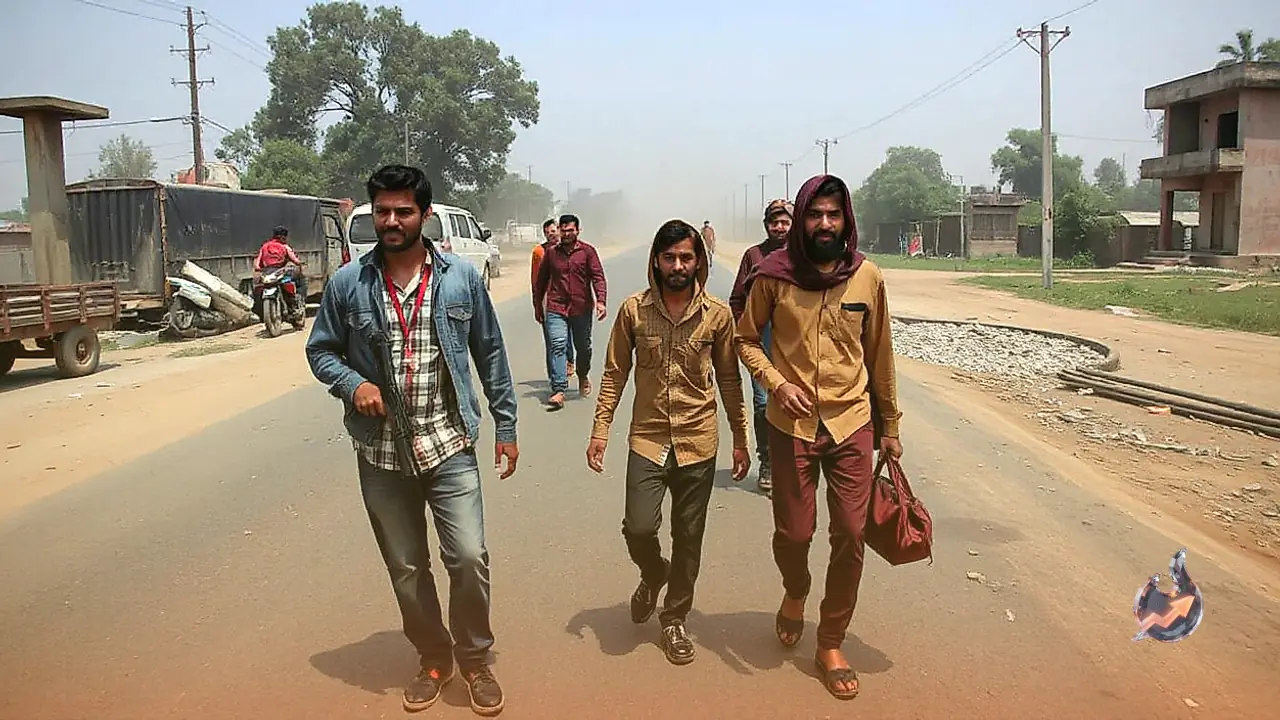




















Efforts are underway to bring back notorious shooter Harichand Jat, widely known as Harry Boxer and linked to the Lawrence Bishnoi syndicate, who is currently held by American immigration and customs enforcement in California. However, securing his return will not be a straightforward task for the Central Bureau of Investigation, as navigating the intricate legal pathways in the United States could stretch the entire procedure across several months.
Immigration Violations And Court Proceedings
The detained individual was initially picked up by authorities abroad for immigration infractions rather than an arrest warrant issued for a specific criminal case registered back in India. Consequently, the local immigration court must first conclude its hearings before official extradition requests from the Indian government can formally progress. The legal framework in the United States grants detainees ample opportunity to present their case and appeal judicial rulings. If the accused decides to mount a robust legal defense or seeks political asylum, the timeline required for a successful handover will extend even further.
To initiate the formal transfer, Indian authorities must compile a comprehensive extradition dossier for presentation to the American government. This extensive file must incorporate chargesheets, police FIRs, and evidentiary material originating from multiple jurisdictions including Rajasthan, Punjab, Delhi, and Mumbai. Crucially, the documentation will also feature forensic reports and voice samples linking him to various offenses. Because these criminal complaints were filed independently by police departments across different states, gathering and consolidating every piece of documentation into a single cohesive dossier presents a logistical hurdle for investigators.
Interstate Crimes And High Profile Threats
Law enforcement units such as the Delhi Police Special Cell and the Mumbai Crime Branch have already begun transferring case files and evidence related to Harry Boxer over to the central agency. Officials emphasize that until a formal green light is granted by a US court, physical transfer remains impossible, meaning his detention abroad will not immediately translate into a swift repatriation.
The fugitive faces numerous serious charges spanning murder, criminal intimidation, and extortion. Investigative agencies allege that he operated from the safety of foreign soil to direct syndicate operations. Furthermore, he stands accused of taking responsibility for the gunfire directed at film director Rohit Shetty's residence. Following that shooting incident, audio recordings and online posts surfaced wherein threats were issued toward figures associated with the film industry.