


















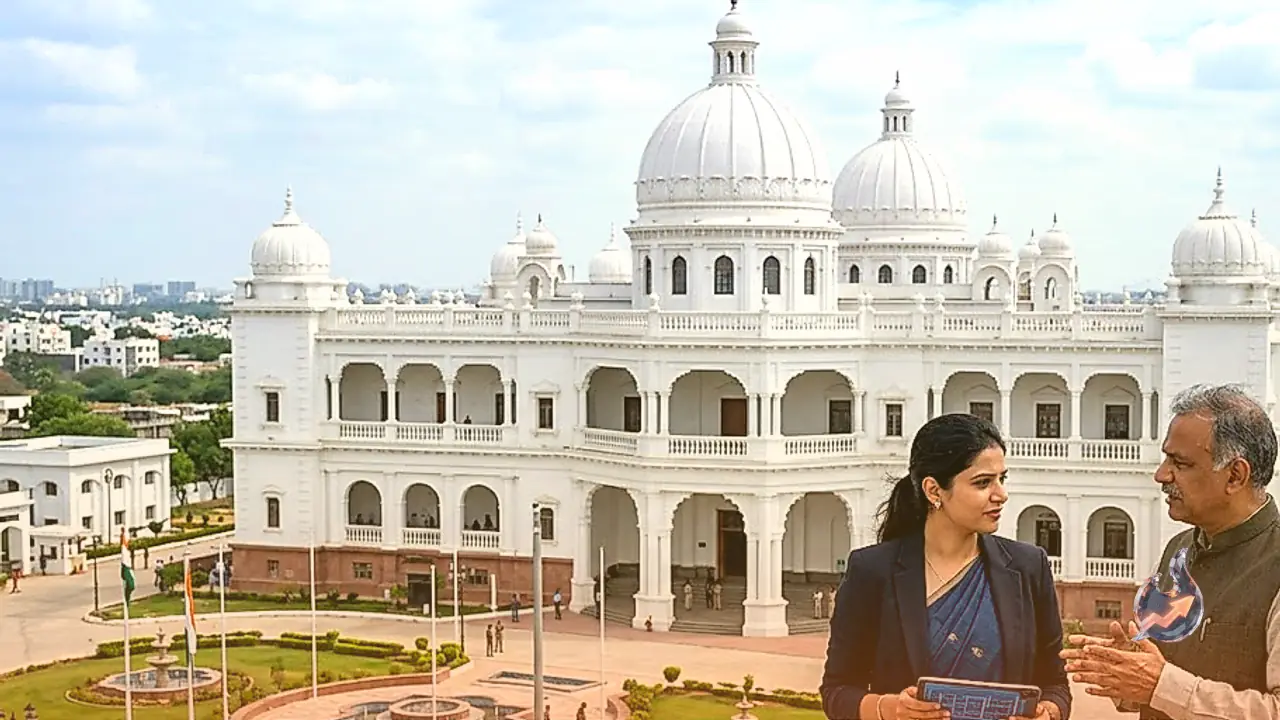

Standing gracefully in Hyderabad, the newly built Dr. B.R. Ambedkar Secretariat has gained widespread recognition across the country for its imposing architecture, glistening white exterior, and majestic central domes. While the modern administrative complex presents an impressive fusion of contemporary engineering and regional heritage, few people know that its aesthetic roots lie deep in the Mahbubnagar region. The iconic silhouette of this state headquarters was inspired directly by the historic fort and palace of Vanaparthy Sansthanam, a historic principality known for its architectural elegance and civic contributions.
Architectural Continuity Between a Royal Fort and a Modern Secretariat
Chief architects involved in designing the Secretariat confirmed that the external contours, proportion of the grand domes, and decorative details drew structural inspiration from the ancient building style of the Vanaparthy palace. Integrating these traditional palace motifs into a cutting-edge administrative seat was intended to ground the new seat of power in local historical roots. The result is a structure that bridges centuries, preserving the stylistic heritage of an erstwhile principality within the everyday operations of contemporary governance.
A Legacy of Nizam Era Influence and Celebrated Women Rulers
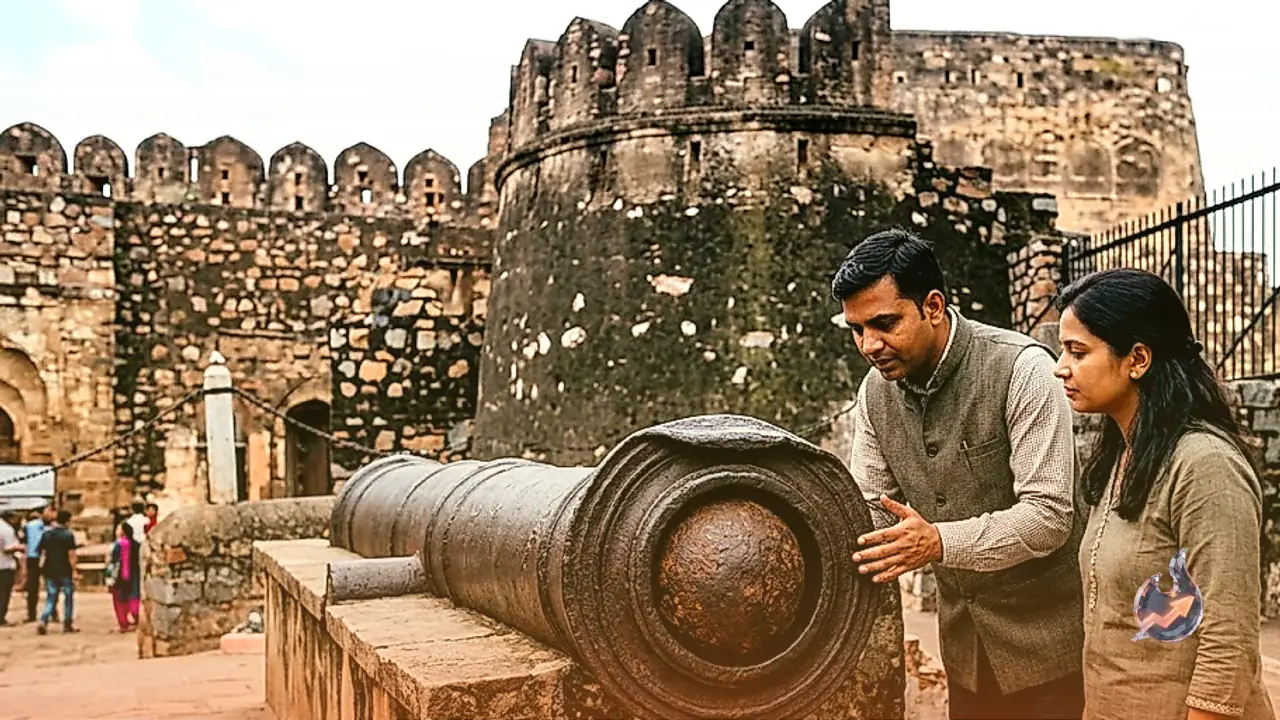
Vanaparthy Sansthanam holds a distinguished position in the history of the Deccan plateau. During the era of the Nizams, it ranked among the most prominent and influential feudatory estates in the region. Records maintained by the caretakers of the heritage estate indicate that prior to India's independence, a total of 13 kings and 3 queens governed this domain. The main palace and fort complex seen today was constructed during the 19th century under the reign of Raja Rameshwar Rao II.
Beyond its military and territorial significance, the principality was celebrated for enlightened leadership. Visionary women rulers, notably Rani Shankaramma and Rani Janamma, took direct charge of administration and demonstrated progressive governance. Rather than limiting their focus to routine court affairs, these queens prioritized regional infrastructure, strengthening administrative protocols and commissioning extensive water conservation projects that sustained local agriculture for generations.
From Royal Living Quarters to a Cradle of Technical Education
The transition of Vanaparthy from an aristocratic power centre to a public learning institution marks an extraordinary chapter in modern Indian history. Following the accession and integration of princely estates into the Indian Union after independence, the ruling monarch of Vanaparthy, Raja J. Rameshwar Rao, chose to prioritize education over personal privilege. Recognizing the urgent need for skilled talent in a developing nation, he formally donated a significant portion of the royal palace complex to the state government.
Within this donated palace premises, the region's first government polytechnic institute was established. The facility was officially inaugurated by India's first Prime Minister, Pandit Jawaharlal Nehru, on October 11, 1959. This selfless royal gesture repurposed halls once reserved for aristocratic gatherings into classrooms and technical workshops for the common public.
Krishnadevaraya Polytechnic Continues to Shape Aspirations
Decades after that historic handover, the majestic complex remains fully functional as the Krishnadevaraya Government Polytechnic College. Hundreds of students from across the region enroll here every year to acquire engineering and technical diplomas that launch their professional careers. The Vanaparthy fortress stands as far more than an ancient masonry monument; it remains an enduring symbol of public service, royal sacrifice, and architectural distinction. While the old fort continues to educate future generations within its walls, its timeless design continues to crown the highest seat of governance in Telangana.