



















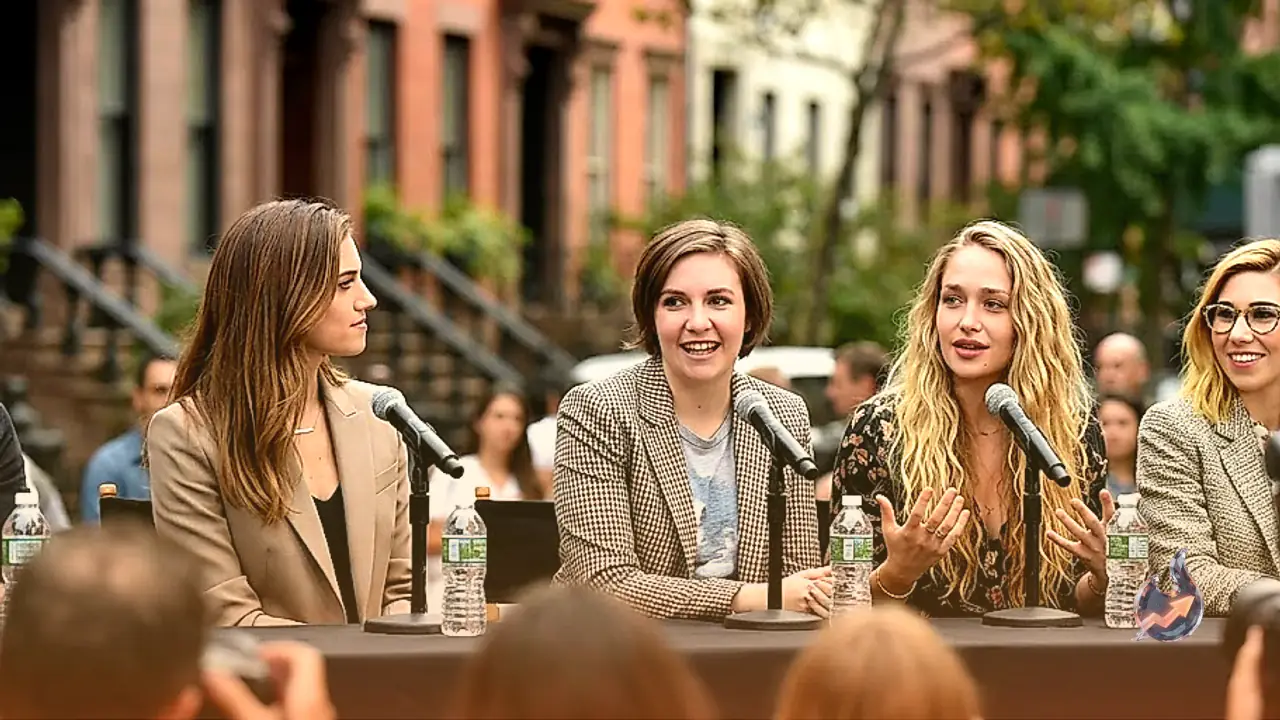

A decade after it concluded, a television series once mired in controversy has secured a second life entirely through the collective momentum of the internet. Propelled by viral social clips, satirical commentary, and dedicated fan podcasts created by young audiences, HBO confirmed on Wednesday that Girls will officially return for a five-episode reboot. The revival demonstrates how shifting generational lenses can entirely reframe a cultural property that initially divided viewers and critics alike.
Early Misunderstandings and the Weight of Critical Backlash
When Girls debuted on television screens back in 2012, its arrival sparked an immediate cultural shockwave. Initial critical praise was rapidly eclipsed by intense scrutiny, intense internet outrage, and misogynistic discourse directed at creator Lena Dunham. Commentators endlessly debated her physical appearance, dissected the raw and awkward nature of the intimate encounters shown on screen, and scrutinized the casting of children of famous figures, alongside persistent questions regarding the lack of demographic diversity within the storyline. The series evolved into a lightning rod for broader societal anxieties, with Dunham herself routinely positioned as the representative scapegoat for criticisms leveled against millennial white women.
The Streaming Renaissance and Shifting Viewership Dynamics
Ten years after its premiere, the narrative surrounding the production underwent a total transformation. Viewers began revisiting the series in staggering numbers, turning what seemed like a relic of the early 2010s into a contemporary streaming success. Audience numbers between November 2022 and January 2023 doubled compared to the preceding quarter. On TikTok and Instagram, short-form edits and iconic soundbites spread rapidly across feeds. Sequences such as Marnie clutching a microphone in her infamous teal dress, Hannah asserting that she was occupied attempting to become herself, and Shoshanna delivering deadpan observations captured modern engagement. While initial dismissals grew obsolete over time, the program proved surprisingly durable and relevant.
Satirical Fluency and the Role of Modern Fan Podcasts
This resurgence found its core engine in Gen Z audiences who were simply too young to experience the series during its primary run, complemented by vocal millennial supporters including Hunter Harris, Peyton Dix, and Evan Ross Katz. Key figures in this movement included Brooklyn comedians Amelia Ritthaler and Evan Lazarus, who launched the Girls Rewatch podcast in 2023 to explore the catalog with fresh eyes. Ritthaler, 28, pointed out that broader culture finally managed to catch up with Dunham's original artistic vision, noting that previous audiences seemed constrained by the idea that expressing admiration for the production was taboo.
Younger viewers seamlessly parsed the detached, post-ironic tone that earlier audiences frequently misconstrued. As Ritthaler explained, Gen Z developed within an online ecosystem centered on emotional detachment and humor amid chaos, whereas millennials initially approached the material during an era characterized by earnest optimism. Because younger demographics never shared that earnest framework, they evaluated the episodes through the very satirical lens that Dunham initially employed during writing.
Direct Cast Engagement and Creative Validation
The digital footprint cultivated by Ritthaler and Lazarus expanded to the extent that key members of the original ensemble agreed to appear on their show, including Dunham, Allison Williams, Andrew Rannells, and Zosia Mamet. Following the formal announcement of the five-episode return, cast member Jemima Kirke left a comment on the podcast's Instagram profile asserting that the grassroots campaign was responsible for seventy percent of the momentum. Lazarus subsequently shared an emotional video reflecting on how deeply meaningful it felt to bring a treasured work back to screen reality.
Personal Reckoning and Dunham's Memoir Spotlight
The reassessment of the series developed alongside Dunham's April publication of her memoir Famesick, which deepened retrospective appreciation for her early work. Dix, who co-hosts the podcast Lemme Say This alongside Hunter Harris, remarked that reading the volume functioned much like experiencing an extended director's cut of the original narrative. The book immediately landed on bestseller rankings and drove widespread public reflection regarding how unfairly the media environment had treated Dunham during her twenties. After facing significant physical and psychological pressures during the production of Girls, Dunham relocated to London, achieved sobriety, wrote transparently about living with chronic illness, directed projects including Industry and Too Much, and recently shared news of welcoming an infant through surrogacy.
Nostalgia Trends and Longing for Mid-2010s Optimism
Direct consumer demand for a continuation had remained relatively muted, particularly following the polarized reception to the Sex and the City follow-up And Just Like That. Nevertheless, the unmistakable spike in audience engagement convinced network executives to proceed. Dunham addressed the development directly in a Substack newsletter published Wednesday, explaining that while she once harbored impulses to separate herself from Hannah and the characters, the outpouring of affection from audiences provided the necessary reassurance to revisit that world.
Commentators note that modern fans represent a fundamentally different audience demographic than past detractors, consisting of receptive young individuals seeking connection rather than superficial scrutiny. The return fits within an expansive landscape where titles such as Gossip Girl, Pretty Little Liars, and iCarly have received secondary runs. Observers suggest that the appetite for Girls reflects a broader yearning for mid-2010s culture, characterized by simple photography styles and optimistic social expression, offering a rare sense of joy amid contemporary complexities.