




















The history of Indian theater features a towering figure who redefined the medium by taking it out of elite urban spaces and connecting it directly with the common people. Born as Habib Ahmed Khan on September 1, 1923, in Raipur, he developed a deep fascination for literature, poetry, and acting during his youth. His early artistic journey took him to Mumbai, where he associated with the Indian People's Theatre Association. This critical experience shaped his perspective, transforming theater from mere entertainment into a powerful platform for the voice of ordinary citizens. He later moved to Delhi, collaborating with several prominent theatrical figures of his time.
Driven to master his craft, he traveled to England to study the intricacies of dramatic arts. He underwent formal acting training at the Royal Academy of Dramatic Arts and studied direction and production at the Bristol Old Vic Theatre School. Abroad, he absorbed contemporary Western theatrical techniques and drew inspiration from the works of Brecht. However, upon returning to his homeland, he chose a radically different path, anchoring his creative vision in India's rich indigenous folk traditions rather than replicating foreign models.
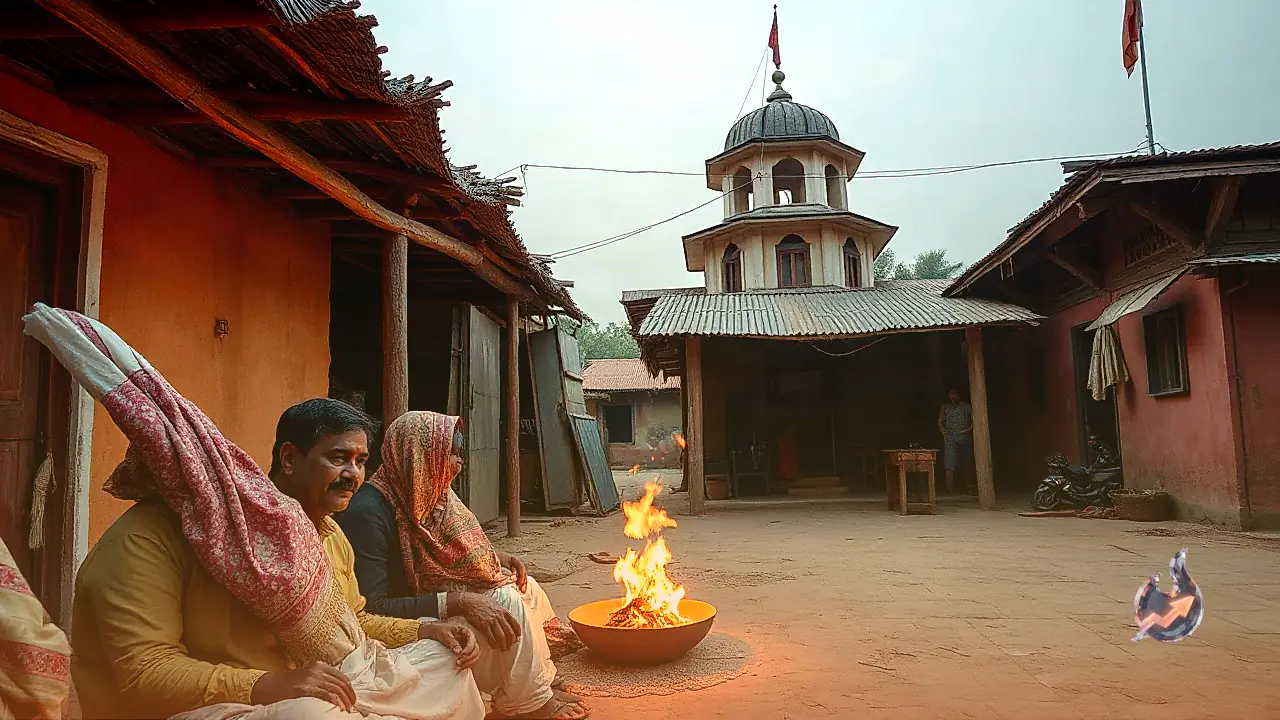
This choice marked the definitive turning point of his career, setting him apart from all his contemporaries. He began collaborating closely with rural folk artists from Chhattisgarh. In the beginning, he attempted to instruct them on standard stage positioning, movement, and dialogue delivery. Yet, many of these local performers struggled to adapt to the rigid, textbook methods he introduced. Realizing the flaw lay in his own approach rather than in the artists, he came to understand their unique strength. While they lacked formal acting degrees, they possessed a profound connection to village life, natural dialects, authentic music, and effortless acting instincts.
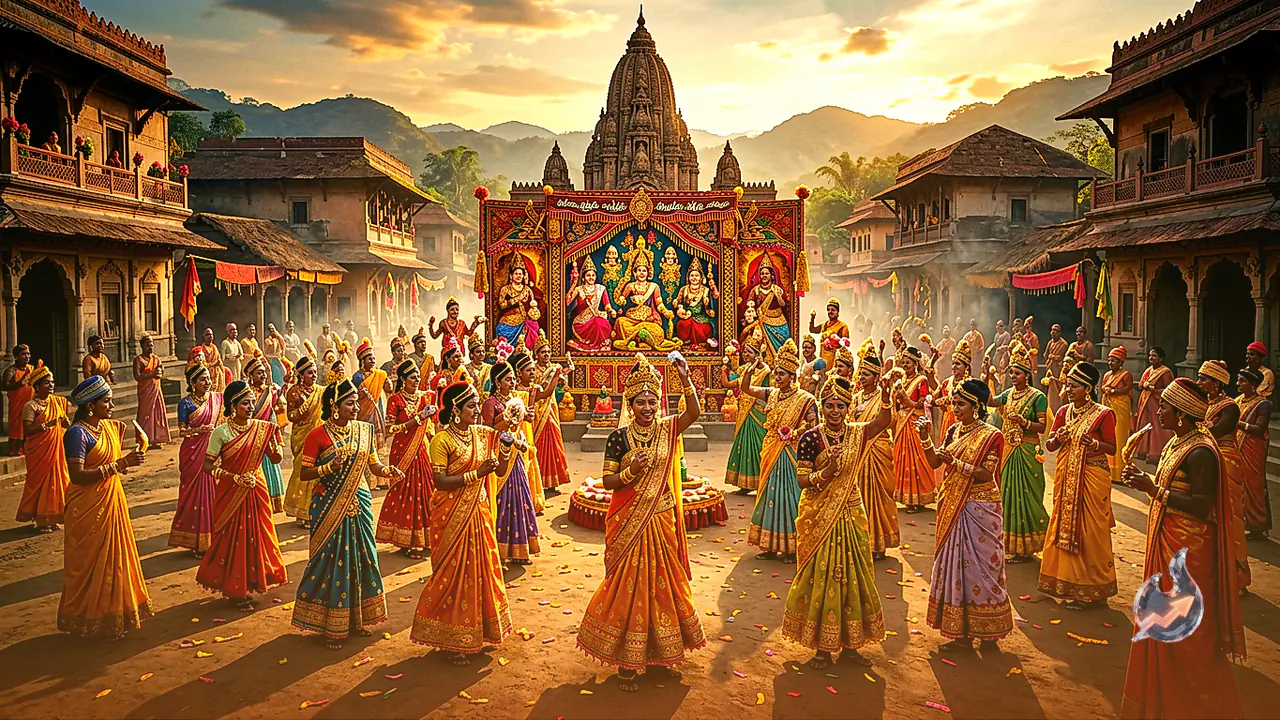
Instead of forcing them to change, he integrated their organic style directly into his stage productions. This bold shift transformed the very texture of his plays, as he brought rural performers onto the stage alongside educated urban actors. The 1954 production of Agra Bazar stood as a monumental example of this philosophy, portraying the vibrant chaos of a common marketplace and the world of poet Nazir Akbarabadi. Moving forward, he established Habib Tanvir's Bhopal-based company, Naya Theatre, in 1959, continuing his dedicated work with Chhattisgarhi folk artists.
His groundbreaking theatrical experiments yielded timeless masterpieces including Charandas Chor, Mitti Ki Gaadi, Gaon Ke Naon Sasural, Mor Naon Damad, Bahadur Kalarin, and Jis Lahore Nai Dekhya, O Jamyai Nai. Among these, Charandas Chor emerged as his most celebrated work globally. In 1982, its staging won the prestigious Fringe First Award at the Edinburgh International Drama Festival. His remarkable contributions earned him numerous accolades, including the Sangeet Natak Akademi Award, the Jawaharlal Nehru Fellowship, the Padma Shri, and the Padma Bhushan. He also received the Kalidas Samman in 1990 and the Sangeet Natak Akademi Fellowship in 1996. Although he occasionally appeared on screen in films like Gandhi and Prahar, his true identity remained firmly rooted in theater. He passed away on June 8, 2009, at the age of 85.