







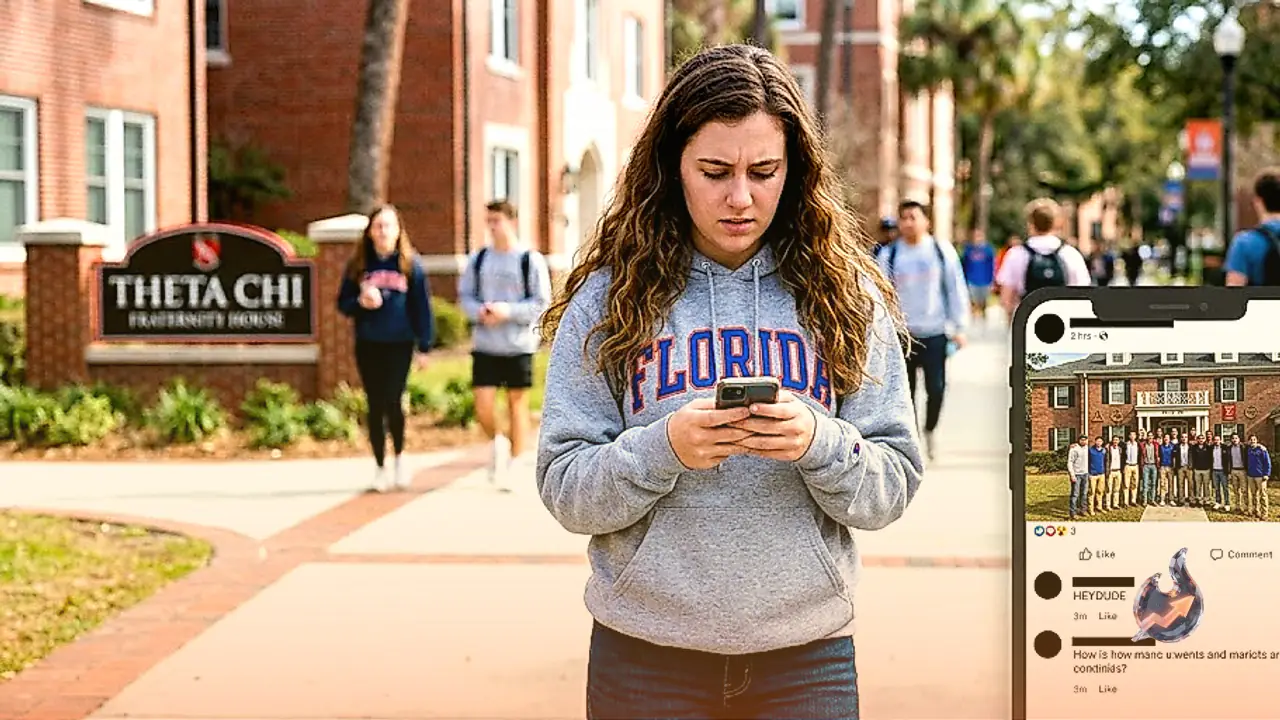















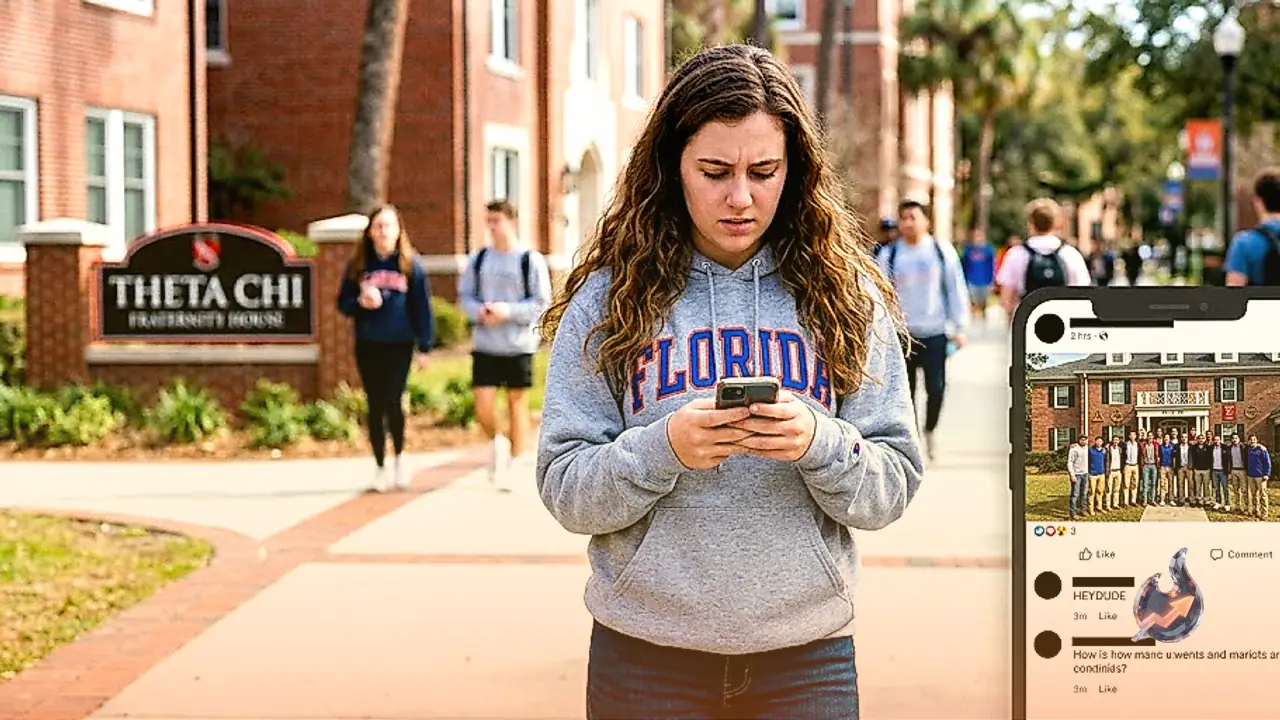

Footwear company HEYDUDE is facing sharp online criticism following a marketing promotion involving the University of Florida chapter of the Theta Chi fraternity. The brand published promotional photos and video clips on social media featuring members of the campus organization, prompting swift pushback from internet users who highlighted serious criminal proceedings tied to the group. Two former members of that specific collegiate chapter stand accused of circulating an intimate, nonconsensual recording of a fellow student across the internet, leading critics to question why a national lifestyle brand would provide commercial visibility to the organization.
Social Media Campaign Draws Immediate Outrage
On September 25, HEYDUDE, which was acquired by footwear giant Crocs in 2022, published an image on its official Instagram page highlighting school-color editions of its signature Wally slip-on shoe. The Wally is designed as a lightweight casual loafer built with a foam footbed. The promotional caption noted that the brand had reached out and the Florida Theta Chi chapter had responded, accompanied by photographs of members wearing orange-and-blue footwear on the property. A companion video was also uploaded to the brand's TikTok account outside the fraternity residence, querying what footwear could possibly exist aside from HEYDUDE.
The posts quickly triggered angry feedback across comment threads, where users voiced disbelief over the marketing decision. Numerous commenters called for boycotting the footwear label, questioning the vetting process that led to teaming up with the chapter. Online commentators and digital advocates condemned the public relations move, arguing that associating with a house tied to severe misconduct allegations signaled indifference toward victims of online harassment and abuse.
Criminal Charges and Cyberharassment Allegations
The controversy stems directly from an active legal case involving two former fraternity members, Kamran Ahmed and Brendan Pitfield. Detailed affidavits submitted by the Gainesville Police Department state that the two individuals allegedly used burner profiles on social media under the handles Steve 'SC' Cumfull and Arnie_Grape16. Through these accounts, an intimate, nonconsensual video depicting Maddie Kowalski, who was a 19-year-old student at the university at the time, was circulated online. One of the messages explicitly published Kowalski's full name alongside her sorority details.
Investigators noted that the shared posts generated thousands of views, causing Kowalski's personal name to trend on X and inflicting extensive emotional trauma and public humiliation. Ahmed and Pitfield have both been charged with sexual cyberharassment, classified as a first-degree misdemeanor carrying penalties of up to one year in prison along with a $1,000 fine. Kowalski has also initiated civil litigation in the Florida Northern District Court seeking monetary damages against both defendants. Pitfield has entered a not guilty plea, while legal representatives for both individuals did not immediately respond to requests for comment.
Campus Backlash and Frat Culture Scrutiny
While no additional chapter members have been criminally charged in the matter, screenshots of comments from an Instagram profile associated with Ahmed appear to show fellow members referencing the anonymous account handle. Additional comments reportedly pointed to a digital cryptocurrency bearing Kowalski's name, which police affidavits state Ahmed had promoted on X. Theta Chi chief executive officer Michael Mayer previously characterized the conduct outlined in the law enforcement filings as completely unacceptable and fundamentally at odds with the values of the national organization.
The criminal proceedings generated intense pushback across the University of Florida campus. On September 15, student organizers circulated informational flyers calling for an organized demonstration outside the fraternity residence, demanding the formal removal of the chapter from university grounds and insisting on institutional accountability. Similar sentiments surfaced on YikYak, the anonymous collegiate discussion application, where students debated the presence of the fraternity and questioned campus policing during planned gatherings. Blake Trauschke, assistant director of public affairs for the university, stated that while social media posts anticipated a demonstration, none materialized to her knowledge, though campus law enforcement maintained a presence to protect public safety.
National Scope and Wider Context
Established in 1856, Theta Chi maintains more than 246 chapters across collegiate institutions throughout the United States, counting more than 250,000 initiated members in its history. At the University of Florida specifically, the Interfraternity Council reports that the local branch consists of 190 active participants. In response to questions regarding the brand collaboration, a spokesperson for Theta Chi stated that Ahmed and Pitfield have been expelled from membership. The representative added that should the judicial system find the individuals guilty, the national organization will endorse the strictest legal punishment available as well as their permanent expulsion from the university.
The controversy unfolds amid broader scrutiny directed at collegiate Greek life across the country. In mid-September, a student publication reported the names of seven Cornell University students accused of a 2024 sexual assault at a Chi Phi fraternity residence, culminating in civil lawsuits filed by an anonymous plaintiff. The recurring headlines have amplified discussions about accountability within student housing groups. Digital advocates criticized corporate promotions at such facilities, asserting that partnering with scrutinized organizations rewards problematic behavior with free merchandise and publicity while dismissing the realities faced by survivors.
Company Clarification and Unanswered Inquiries
Following the emergence of the promotional campaign, Kowalski stated that both she and her mother sent electronic correspondence directly to HEYDUDE seeking an explanation for the decision to film at the Florida residence. According to Kowalski, the company did not provide any response to their inquiries.
Addressing the growing criticism, a corporate representative for HEYDUDE issued a statement explaining that the shoe company has no formal affiliation, commercial sponsorship, or continuing business arrangement with the Florida chapter. The spokesperson stated that the social media content was captured as part of a wider marketing initiative titled the HEYDUDE Tailgate Tour, which stops at numerous university venues, including diverse fraternity and sorority houses throughout the nation.
The corporate statement affirmed that management had no awareness of the outstanding legal allegations facing former members of the local chapter when the tour was initially organized. Emphasizing that the company does not condone the alleged conduct and treats such matters with utmost seriousness, the representative noted that organizers would reconsider upcoming scheduled visits across the remainder of the tour. Despite the public backlash, the promotional post remained visible online as of Friday morning.