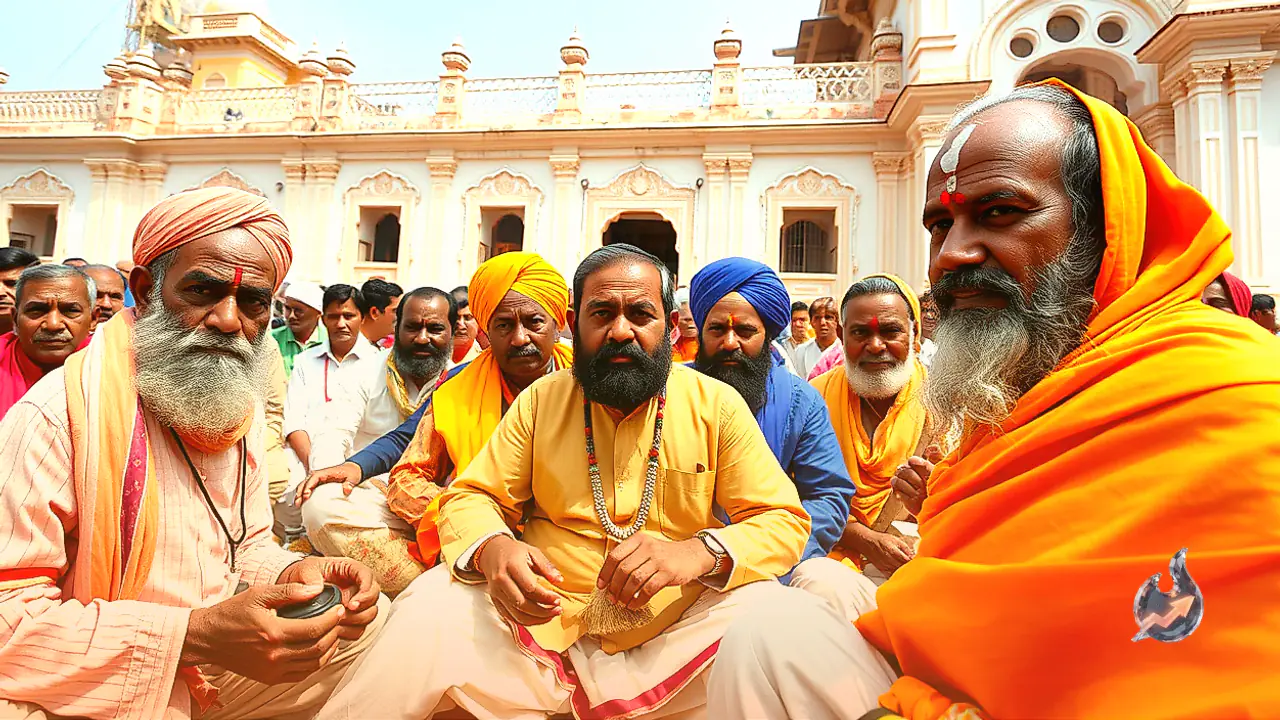
























In India, the tradition of touching the feet of elders to seek blessings is deeply ingrained in cultural life. Whether receiving guests at home, celebrating festivals, or attending weddings, younger family members routinely bow down to touch the feet of older relatives. In most households, this practice is regarded as a reflection of good values, deep respect, and a traditional way of seeking divine blessings. However, a thought-provoking online discussion has emerged over whether advanced age alone should mandate such deference. Jasveer Singh, the co-founder of dating platform Knot Dating, ignited this debate through a post on social platform X, prompting widespread reflection on cultural traditions versus individual choice.
A Viral Question on Age and Respect
Jasveer Singh took to X to share his perspective, contending that touching someone's feet merely because they are older is often a product of childhood social conditioning rather than genuine reverence. He argued that growing older is not an inherent achievement on its own, and being an uncle, aunt, or senior family member does not automatically entitle an individual to such a specific act of deference.
Elaborating on his stance, Singh wrote on X, "Touching someone’s feet just because they’re older should stop. That isn’t respect, that’s social conditioning. Most people in India don’t do it out of respect, they do it because they’ve been programmed since childhood. They bend because everyone else is bending."
Character and Values as the True Basis for Deference
Continuing his argument, Singh emphasized that true respect ought to stem from an individual's character, wisdom, integrity, and meaningful contributions to society. According to him, when a person's life choices and moral standing inspire others, showing reverence becomes a natural and heartfelt gesture rather than a forced obligation.
He also pointed out that neither blood relations nor religious attire automatically command respect. True reverence must be earned through behavior and values. Singh clarified that questioning this automated practice does not imply advocating arrogance or disrespect toward elders. Rather, it highlights that respect should be sincere and voluntary, free from societal pressure or fear of judgment.
Conditioned Habits Versus Mindful Actions
From an early age, children across India are conditioned to greet visiting relatives and elders by touching their feet. Singh noted that when an action is repeatedly enforced during childhood, individuals often continue performing it as adults without evaluating the meaning behind it. When performed mechanically, the gesture loses its emotional depth and transforms into a routine social expectation.
Internet Divided Over Cultural and Spiritual Views
Singh's post garnered widespread attention, drawing contrasting reactions from netizens. A section of users agreed with his rationale, pointing out that forced deference lacks authenticity and that respect should always be reserved for exemplary character and inspiring conduct.
Conversely, many defended the tradition, offering alternative cultural and spiritual interpretations. One commentator noted that in Indian culture, the gesture represents reverence rather than a personal endorsement of an individual's specific traits. Another user shared a spiritual perspective, explaining that they were taught to view foot-touching as an act of bowing to the divine soul residing within another human being, irrespective of their personal flaws. The debate underscores how traditional customs continue to be interpreted in diverse ways across different generations and communities.