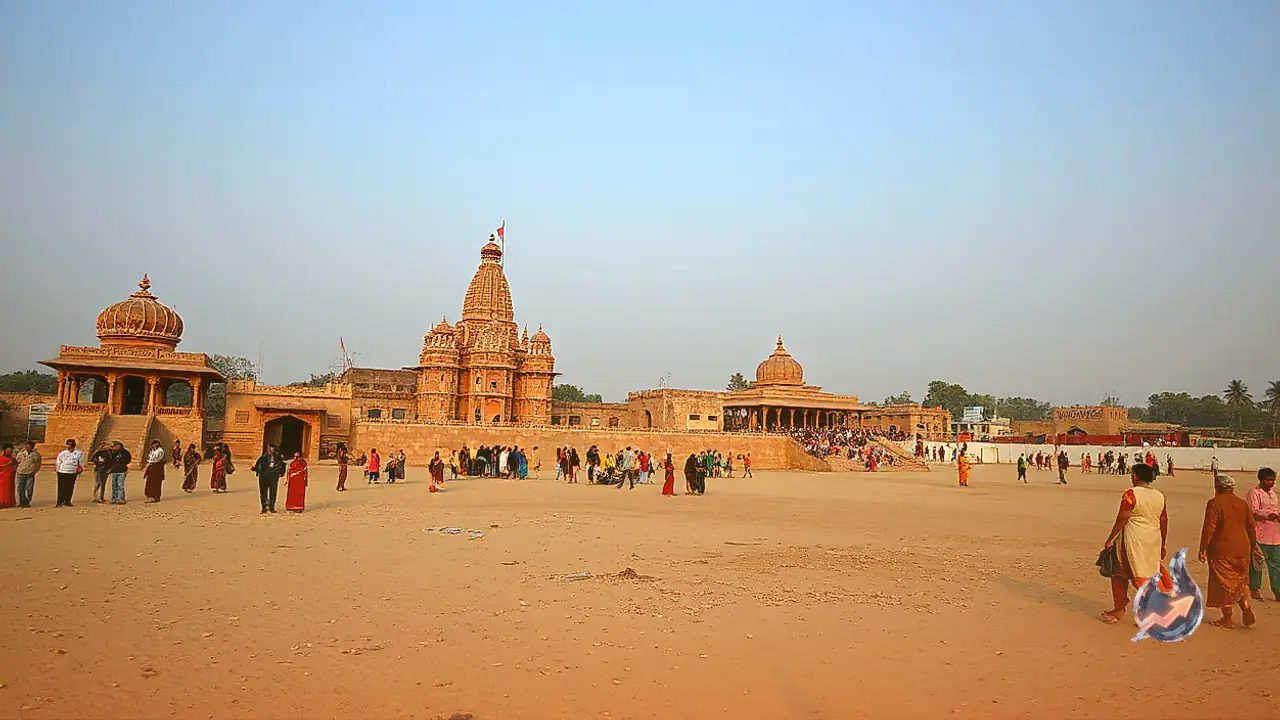
























The nearly 400-year-old Tomb of Akbar, located in Sikandra near Agra, continues to captivate visitors with its architectural grandeur and polished stone facades. To safeguard this historic monument against environmental degradation and daily wear, the Archaeological Survey of India (ASI) implements a systematic cleaning regimen and scientific conservation framework. Constructed from a combination of red sandstone and marble, the maintenance of the complex extends beyond basic aesthetic polishing to focus primarily on preserving the structural integrity and extending the lifespan of the heritage site.
Daily and Weekly Schedules for Complex Sanitation
To prevent the accumulation of atmospheric dust and refuse, the conservation strategy includes a structured sanitation schedule across the entire monument campus. According to details outlined in the 2026-27 maintenance specifications, daily cleaning operations cover the expansive main complex, pedestrian pathways, monumental gateways, and surrounding grounds. In addition to daily surface upkeep, specialized weekly cleaning routines are carried out on the roof and elevated sections of the primary mausoleum structure. This frequent intervention prevents particulate matter from settling into the porous stone surfaces, maintaining cleanliness across all exposed areas.
Specialized Cleaning Techniques for Sandstone and Marble
Because the tomb incorporates both red sandstone and white marble, conservation teams employ distinct chemical procedures tailored to the physical characteristics of each stone type. Red sandstone surfaces, which are prone to atmospheric soot and organic growth such as algae or fungi, undergo controlled chemical treatments to dissolve grime without eroding the material. Conversely, marble sections are treated using a specialized paste-based technique. This paste absorbs surface dirt and embedded impurities without scraping or scratching the delicate marble, successfully restoring its original luster while protecting the stone substrate underneath.
Protective Coatings and Historical Structural Restoration
Preservation protocols at the monument also incorporate extensive repairs and chemical protective measures. Historian Anurag Paliwal notes that historical ASI archives document recurring restoration work across different sections of the site over the decades. These records detail the replacement of weathered or deteriorating stone blocks, repairs to damaged walkways and flooring, and structural reinforcement of vulnerable architectural elements. Following chemical cleaning, sandstone surfaces are treated with a dedicated fungicide and sealed with a protective conservation coating. This barrier shields the stone from moisture ingress and atmospheric pollutants, mitigating long-term decay.
Environmental Monitoring and Long-Term Conservation Science
The ASI integrates environmental science into its preservation strategies for major monuments in Agra, including Akbar's Tomb. Historian Anurag Paliwal explained that ongoing research monitors environmental variables such as ambient dust concentrations, air pollution levels, temperature fluctuations, atmospheric humidity, and rainfall patterns. By evaluating how these environmental pressures affect stone durability over time, conservation experts can formulate targeted preservation methods and select suitable protective treatments. Through this combination of daily maintenance, material-specific cleaning, and continuous environmental assessment, the 400-year-old mausoleum retains its original architectural brilliance.